

Table of Contents
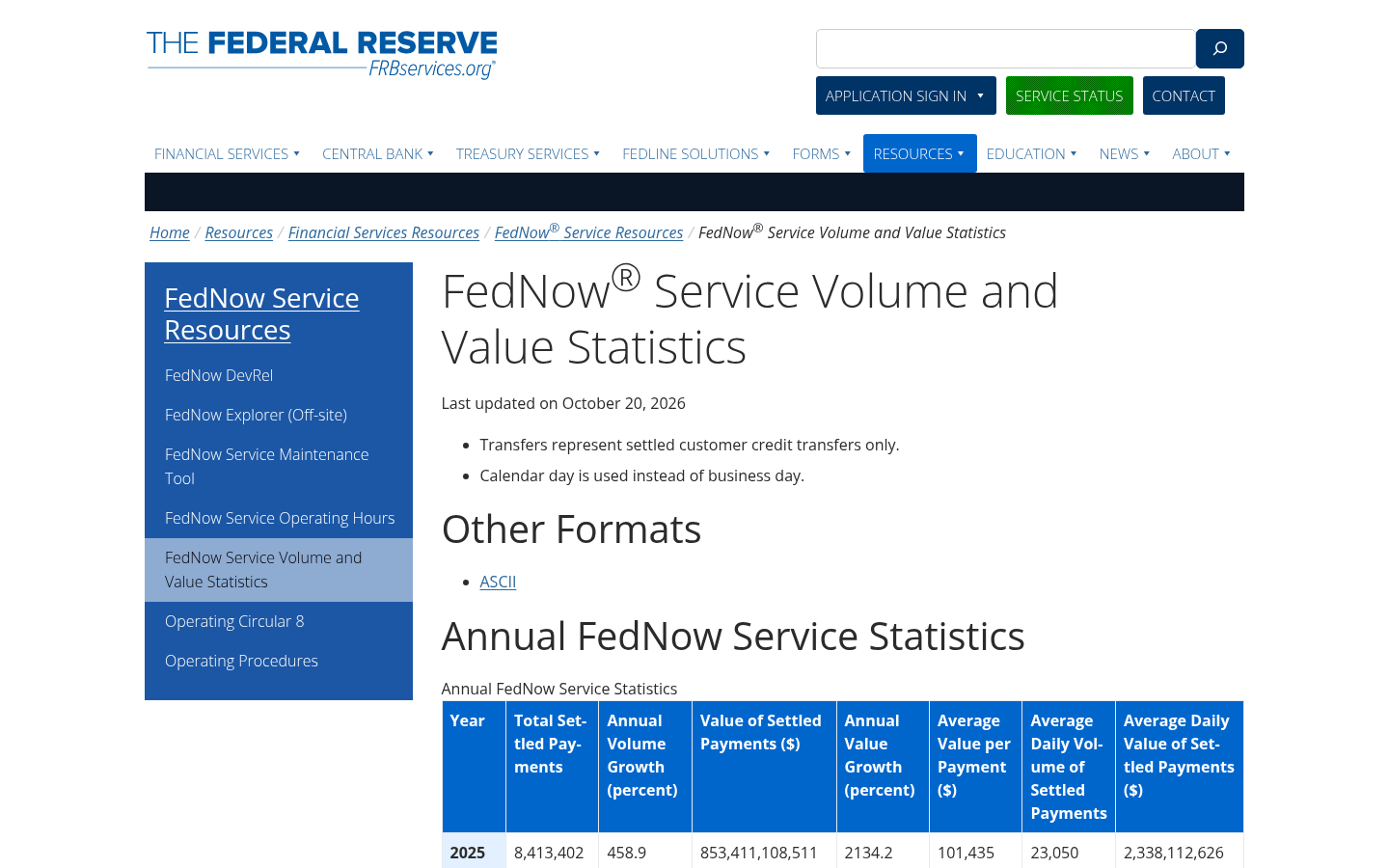
FedNow settled 6.38 million payments worth $370.9 billion in the third quarter of 2026, more than double the 2.51 million payments it handled a year earlier (Source: Federal Reserve Financial Services).
Stablecoin Insider covers every rail that moves dollars in real time, and in the US that now means three options competing for the same payments: FedNow, RTP and stablecoins.
All three settle in seconds and run around the clock. They differ on who operates them, who can use them, how much they cost and whether they can leave the country.
FedNow and RTP are bank-to-bank systems that move money between US accounts. Stablecoins move dollar tokens on public blockchains between wallets anywhere in the world.
This comparison covers how each rail works, what each one costs, how widely each is used, where the risks sit, and which one fits which kind of payment in 2026.
Key Takeaways
- FedNow volume more than doubled year over year to 6.38 million payments in Q3 2026.
- RTP still handles about 98% of US bank-to-bank instant payment volume.
- Both bank rails allow payments up to $10 million and run 24/7.
- Stablecoins add global reach that FedNow and RTP do not offer today.
- FedNow charges $0.045 per transfer, with the first 2,500 monthly free in 2026.
The State of US Instant Payments in 2026
The US came late to instant payments. RTP launched in November 2017 and FedNow in July 2023, and in the first quarter of 2026 the two together averaged just 0.12 fast payments per person per month, against 27 for Brazil's Pix (Source: Federal Reserve Bank of Richmond).
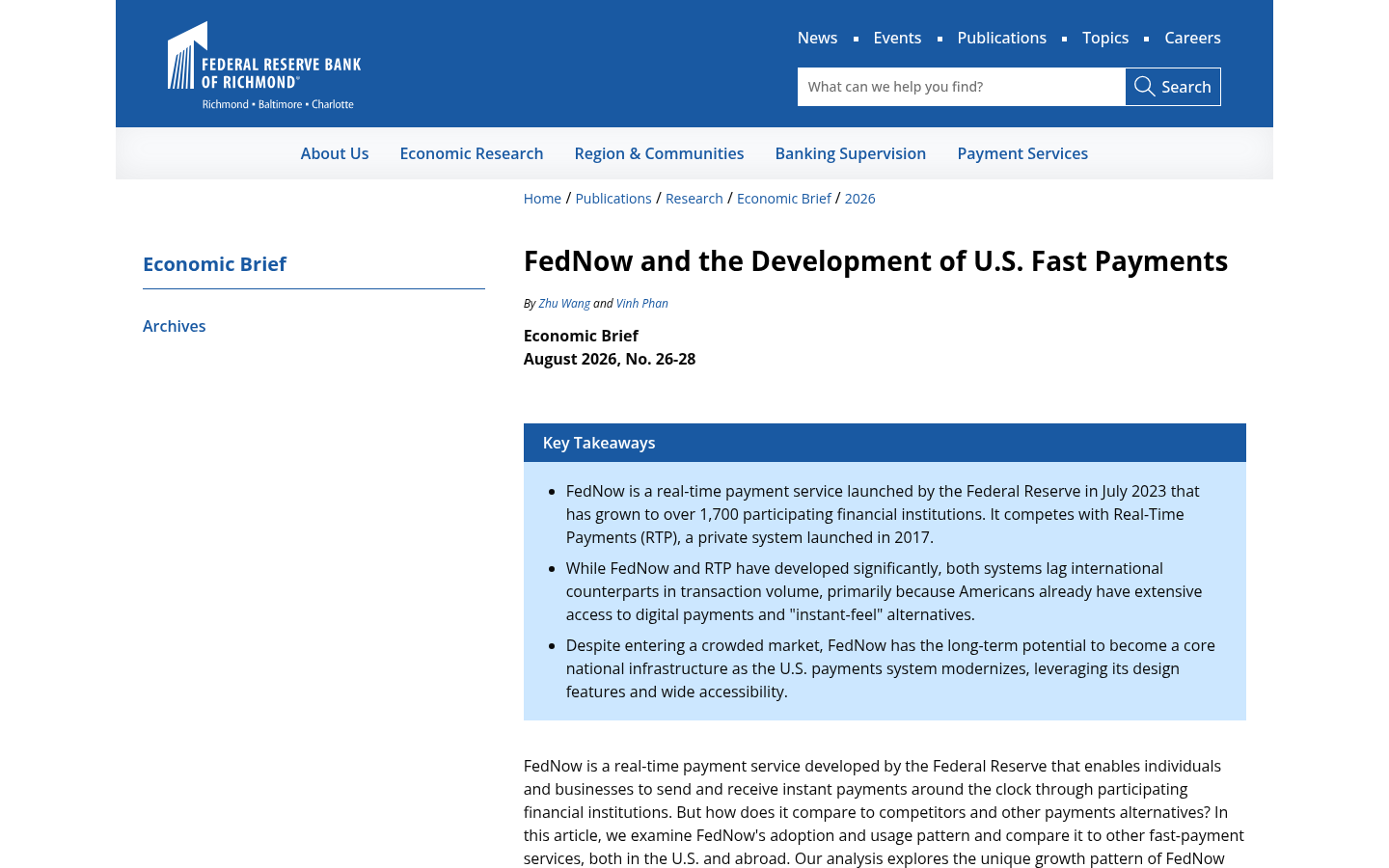
The same study found that RTP processed 128 million transactions worth $480 billion in that quarter, with an average payment of $3,750, while FedNow handled 2.73 million transactions with an average value of $99,414 (Source: Federal Reserve Bank of Richmond).
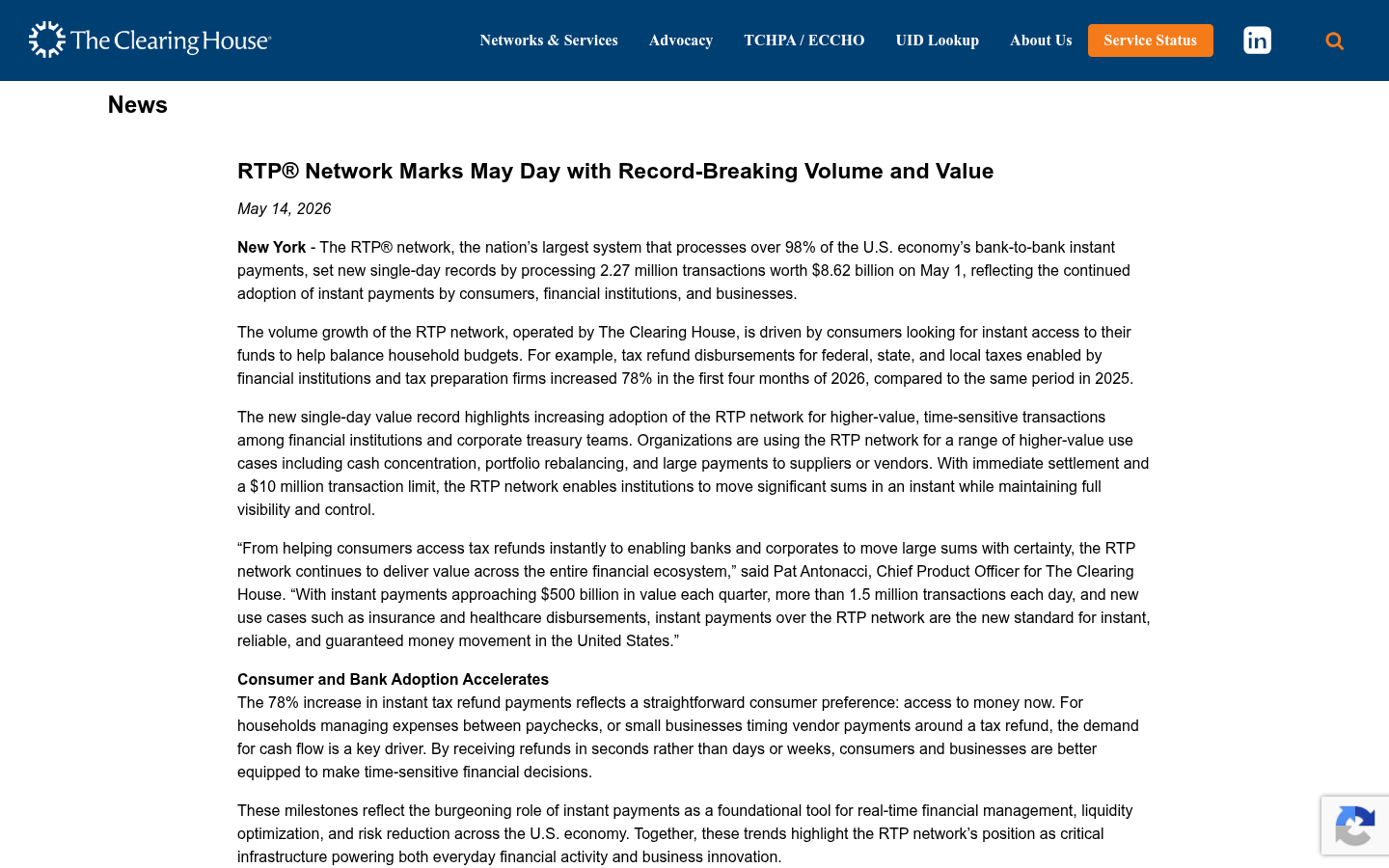
RTP is still setting records. On 1 May 2026 it processed 2.27 million transactions worth $8.62 billion in a single day, and The Clearing House says it carries more than 98% of US bank-to-bank instant payments (Source: The Clearing House).
FedNow is growing faster from a smaller base. Its average payment fell from $122,616 in the third quarter of 2025 to $58,161 a year later, a sign that it is moving from large treasury transfers toward everyday payments (Source: Federal Reserve Financial Services).
Why Stablecoins Are in the Same Conversation
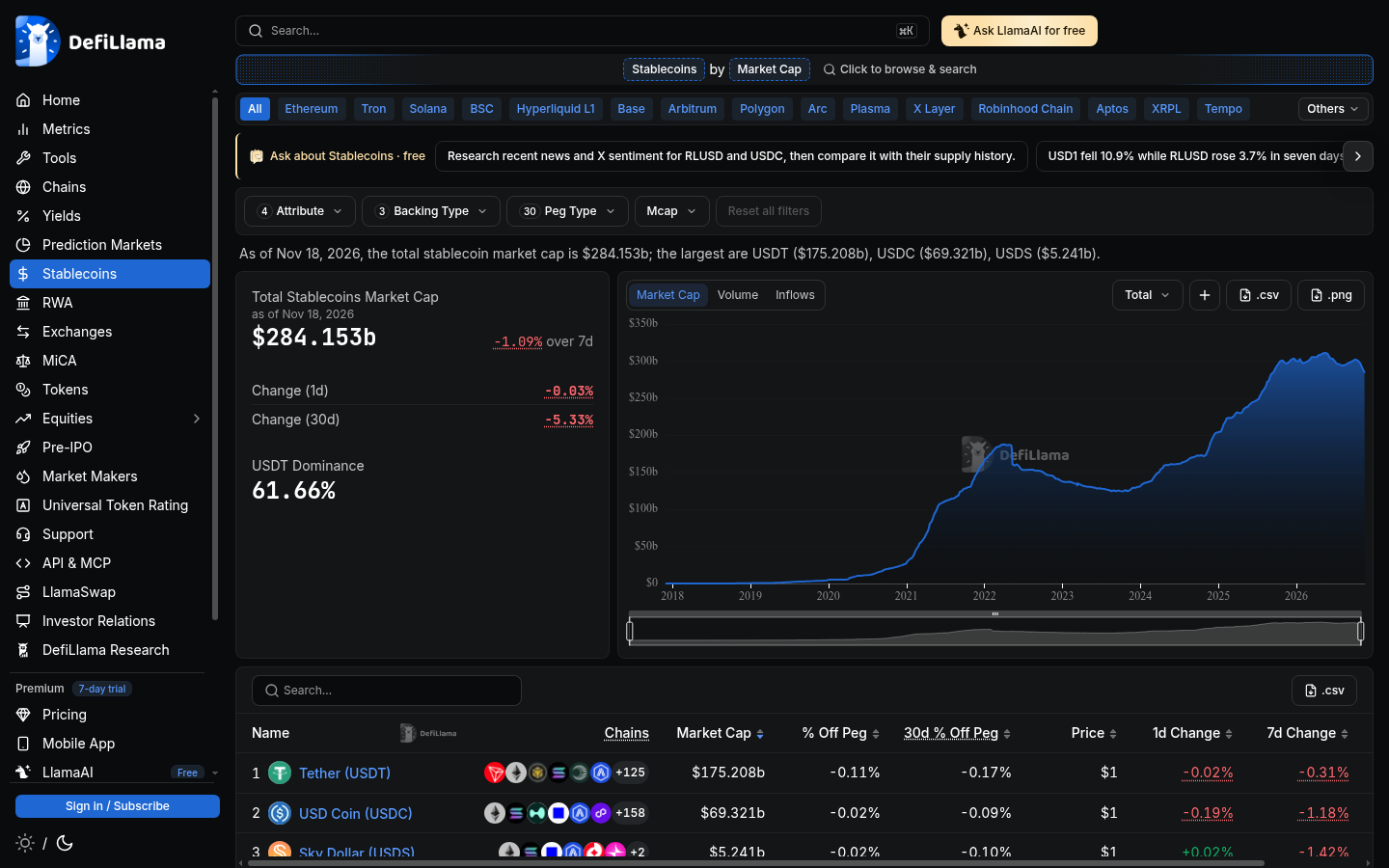
Stablecoins are already a large pool of digital dollars. Total supply was $284.2 billion on 18 November 2026, and Tether held 61.66% of it (Source: DefiLlama).
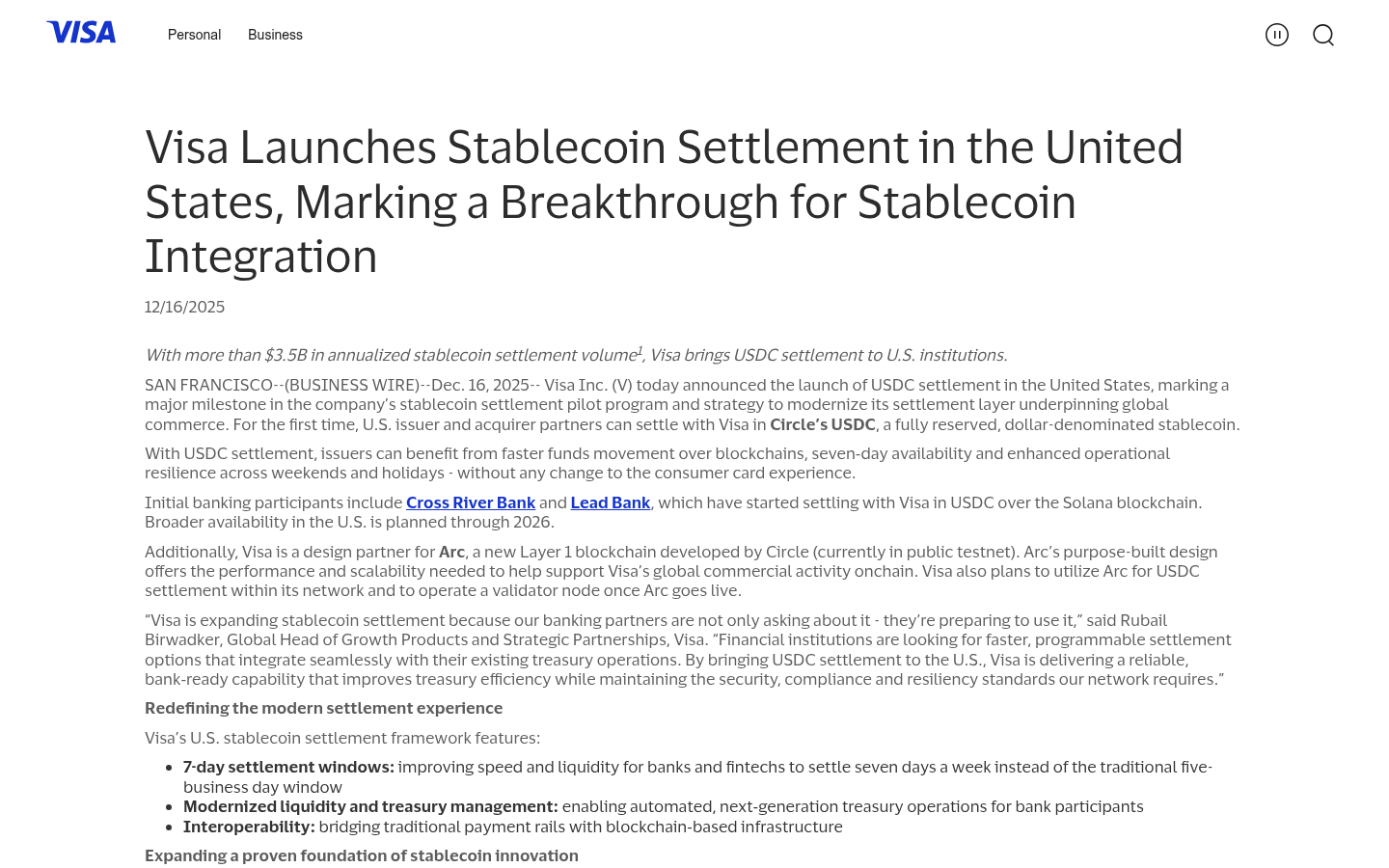
US payment companies are starting to settle in them. Visa began settling with US issuer and acquirer partners in USDC over Solana in December 2025, with Cross River Bank and Lead Bank first, so settlement can run seven days a week instead of five (Source: Visa).
A federal rulebook is arriving too. The OCC issued the first final rule under the GENIUS Act on 21 October 2026, and the Act takes effect on 18 January 2027 (Source: The Block).

The full set of rules and deadlines is in our guide to the GENIUS Act explained.
How Each Rail Works
- FedNow: Run by the Federal Reserve. Banks and credit unions send credit transfers to each other, and each payment settles individually in central bank money through the participants' Fed accounts.
- RTP: Run by The Clearing House, which is owned by large US banks. It works the same way from the customer's side: a credit push between two US accounts that is final within seconds.
- Stablecoins: Issued by licensed companies and moved on public blockchains. The token itself is the dollar claim, so payments go wallet to wallet without a bank in the middle until someone converts back to a bank deposit.
The practical difference is the endpoint. FedNow and RTP always end in a US bank account, while a stablecoin payment ends in a wallet that can sit in any country.
FedNow vs RTP vs Stablecoins at a Glance
| Feature | FedNow and RTP | Stablecoins |
|---|---|---|
| Operator | Fed and TCH | Private issuers |
| Money | Bank deposits | Dollar tokens |
| Hours | 24/7 | 24/7 |
| Max payment | $10 million | No network cap |
| Reach | US accounts only | Any wallet |
| Who can join | Banks, credit unions | Anyone |
| Reversible | No | No |
FedNow and RTP look almost identical from the outside, so the table groups them. Their differences show up in ownership, pricing and adoption.
| Metric | FedNow | RTP |
|---|---|---|
| Launched | July 2023 | Nov 2017 |
| Operator | Federal Reserve | The Clearing House |
| Q1 2026 payments | 2.73 million | 128 million |
| Q1 2026 value | $271 billion | $480 billion |
| Avg payment | $99,414 | $3,750 |
Speed, Hours and Limits
All three settle in seconds once a payment is sent. The constraint is what happens around the payment: whether the receiving bank is connected and whether the money has to change form.
Both bank rails raised their per-payment limit from $1 million to $10 million in 2025, which opened them to large business payments that used to go by wire (Source: Federal Reserve Bank of Richmond).
Stablecoins have no network-level cap, but a business converting stablecoins back to dollars depends on its off-ramp. Our guide to off-ramping USDC to ACH or wire explains where those delays come from.
Cost and Fees
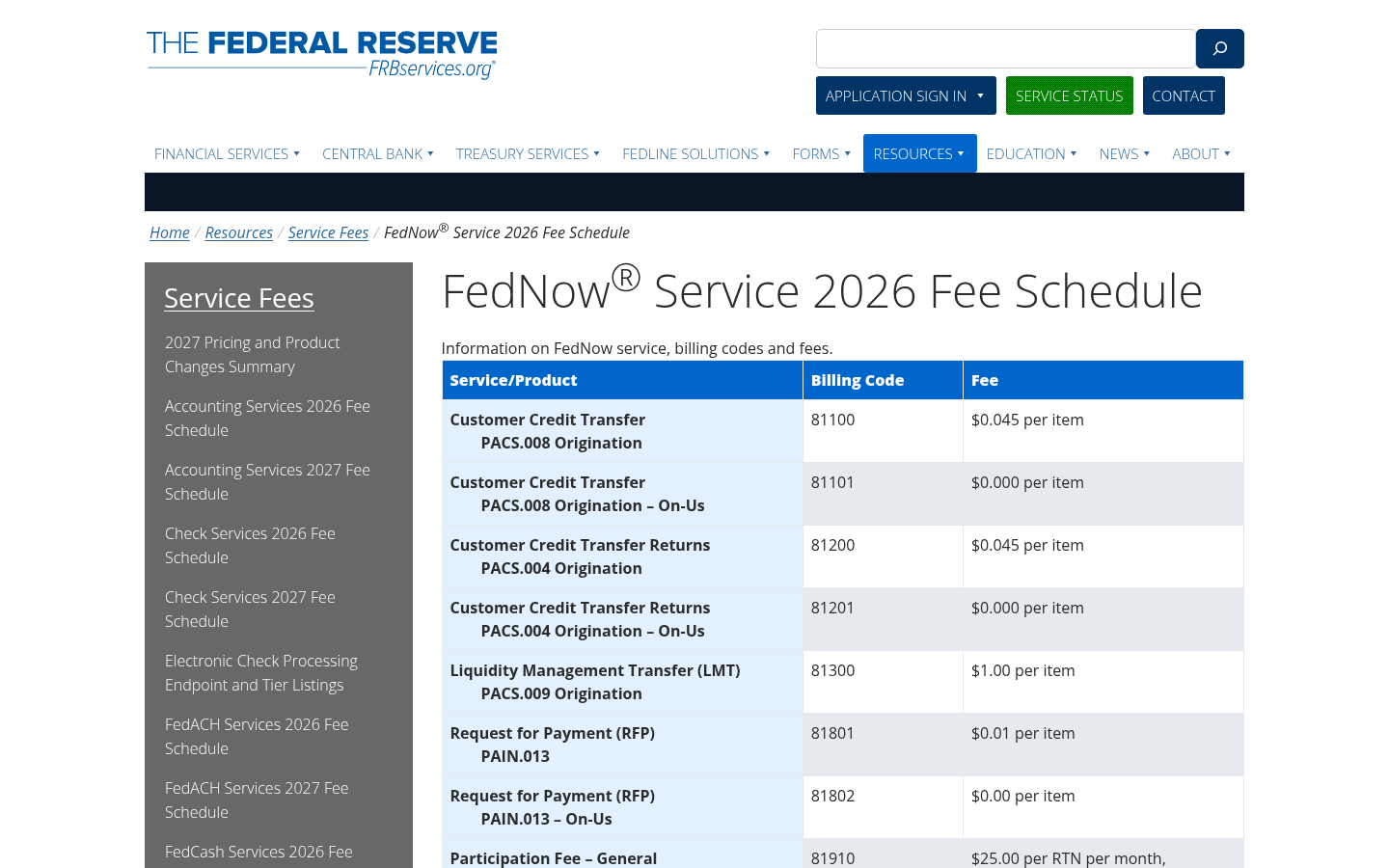
FedNow publishes its prices. In 2026 a standard credit transfer costs $0.045, the first 2,500 transfers each month are discounted to zero, the $25 monthly participation fee is waived, and a request for payment costs $0.01 (Source: Federal Reserve Financial Services).
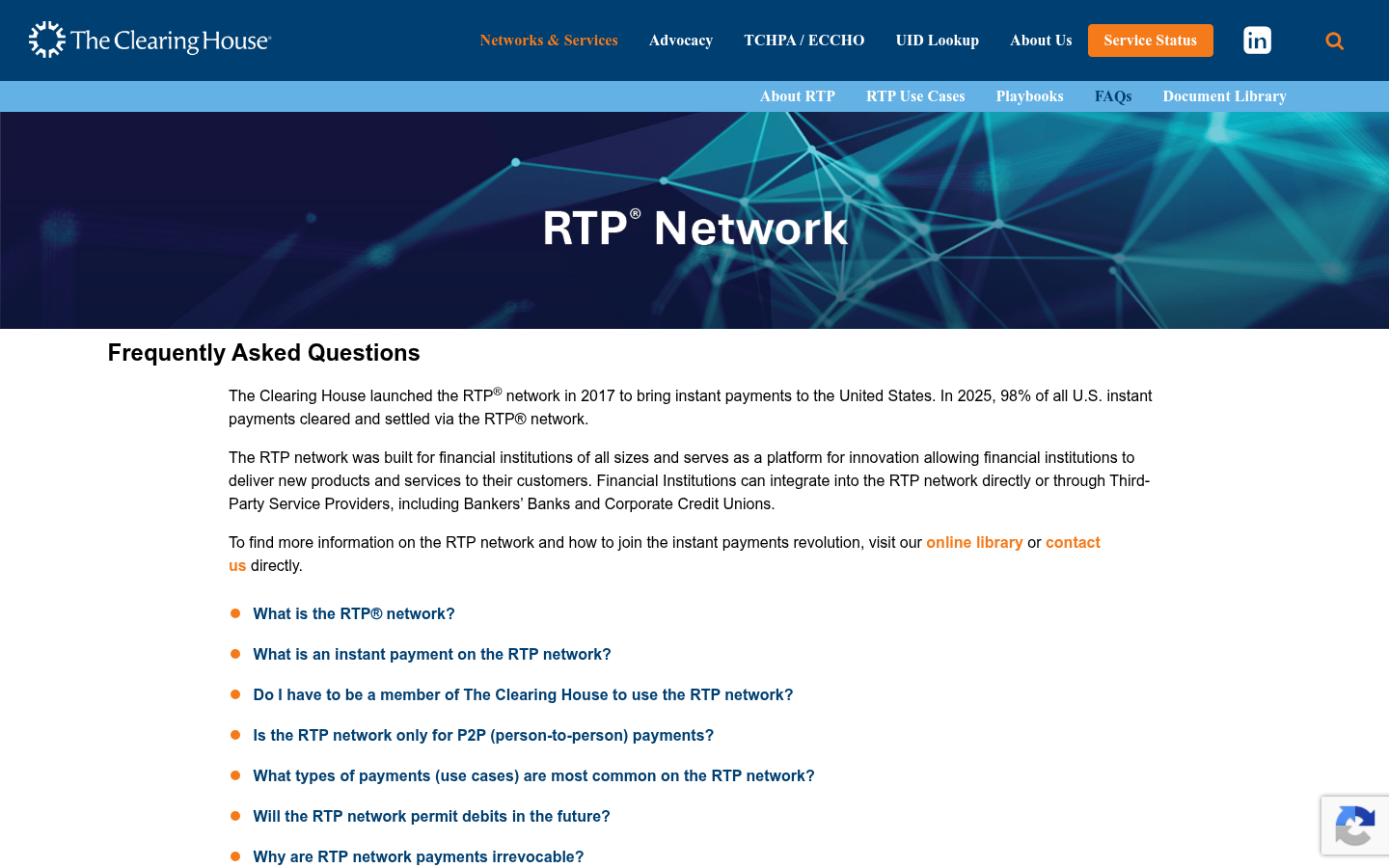
RTP charges a single price to every participant, with no volume discounts, volume commitments, monthly fees or minimums (Source: The Clearing House).
These are fees charged to banks. What a consumer or business pays depends on its own bank, and many banks still charge for instant transfers or do not yet offer them.
Stablecoin transfers cost a network fee that varies by blockchain, plus the cost of getting in and out of dollars. Our comparison of institutional stablecoin on and off-ramp providers shows how those costs vary.
Reach and Adoption
FedNow has more participants. More than 1,900 financial institutions have signed up since launch, over 96% of them with less than $10 billion in assets, and 7 of the 10 largest US financial institutions are on the network (Source: Federal Reserve Bank of Kansas City).
Many institutions are on both. The Richmond Fed counted 837 institutions in both systems, which means 70% of RTP participants also belong to FedNow (Source: Federal Reserve Bank of Richmond).
Participation is not the same as use. FedNow reached 1,800 participants by July 2026, but its 2025 total was 8.4 million transactions, a small fraction of RTP's volume (Source: Digital Transactions).

Stablecoins reach users differently: through wallets, exchanges and fintech apps rather than bank enrolment. That is why our report found stablecoins competing with ACH on volume, even though everyday spending still runs mostly through banks.
Fraud, Finality and Consumer Protection
- Finality: FedNow, RTP and stablecoin transfers are all final once sent. None has a built-in chargeback, which is why fraud prevention happens before the payment.
- Bank rails: FedNow and RTP payments sit inside the regulated banking system, with bank-level identity checks on both ends. FedNow recently launched a network intelligence API to help participants spot fraud.
- Stablecoins: Issuers can freeze tokens, but recovering a mistaken or scammed payment depends on the issuer and the platform. Federal reserve and redemption standards arrive with the GENIUS Act in 2027.
- Deposit insurance: Money on FedNow and RTP moves between insured bank accounts. Stablecoins are not bank deposits and are not covered by deposit insurance.
Where the Rails Start to Meet
The lines between the three are blurring. The Clearing House chose Quant in September 2026 to power its On-Chain Money Initiative, a tokenized deposit network that will connect to RTP and CHIPS and is expected to open to participating institutions in the first half of 2027 (Source: The Clearing House).

Tokenized deposits are bank money on a blockchain, a middle ground explained in our guide to what tokenized deposits are.
FedNow may also cross borders. The Federal Reserve proposed amending Regulation J in April 2026 to let FedNow participants route transactions through intermediaries, which would enable cross-border use for the first time, and Stripe, Visa and Wise filed letters in support (Source: ClearingPost).
Banks are also building their own stablecoins. The bank-owned company behind Zelle is one example, covered in our explainer on ZLUSD.
Which Rail Fits Which Payment
- Paying a US supplier today: RTP or FedNow, whichever both banks support. RTP has the wider live usage, FedNow the wider enrolment among smaller banks.
- Large urgent transfers up to $10 million: Either bank rail, as an alternative to a same-day wire.
- Paying contractors or partners abroad: Stablecoins, until FedNow's cross-border proposal is finalized.
- Weekend payroll and earned wage access: All three work, and our piece on paying hourly workers the same day compares the options.
- Programmable or machine payments: Stablecoins, which can be triggered by smart contracts and software agents.
What to Watch in 2027
- GENIUS Act start: Licensed stablecoin issuers operating under federal rules from 18 January 2027.
- FedNow cross-border: Whether the Regulation J change is finalized and how quickly participants use it.
- Tokenized deposits on RTP: The first-half 2027 launch of The Clearing House's on-chain network.
- Consumer pricing: Whether more banks offer instant transfers for free, which would decide how fast everyday use grows.
- Volume crossover: Whether FedNow keeps doubling year over year and narrows the gap with RTP.
Conclusion
Stablecoin Insider tracks how bank rails and stablecoins compete for the same dollar payments, because that competition decides who earns the fee and who controls the customer.
RTP is the volume leader among US instant payment rails, FedNow is growing faster and reaches more small banks, and both now handle payments up to $10 million around the clock.
Stablecoins offer what neither bank rail does yet: global reach and open access through a wallet, backed by a federal framework from January 2027.
For most US businesses in 2026, the answer is to use FedNow or RTP for domestic payments and stablecoins for cross-border and programmable ones.
Read Next
These three guides go deeper on US payment rails and the fastest ways to move dollars in 2026.
- UK Benefit Fraud Account Checks: What the DWP Can See in 2026
- The Best Stablecoin Payment Providers for Cross-Border Business in Latin America in 2026
- Ledger vs Trezor in 2026: Prices, Security and Stablecoins
FAQs
1. What is the difference between FedNow and RTP?
The difference between FedNow and RTP is who operates them. FedNow is run by the Federal Reserve and launched in 2023, while RTP is run by The Clearing House, which is owned by large banks, and launched in 2017. Both settle US bank payments instantly, 24/7, up to $10 million.
2. Is FedNow faster than stablecoins?
FedNow and stablecoins are similarly fast, with both settling within seconds. FedNow only moves money between US bank accounts, while stablecoin transfers can reach wallets in any country, though converting stablecoins back to dollars depends on the off-ramp used.
3. How much does FedNow cost?
FedNow costs banks $0.045 per credit transfer in 2026, with the first 2,500 transfers each month discounted to zero and the monthly participation fee waived. What customers pay is set by their own bank, and some banks charge extra for instant transfers.
4. Can FedNow or RTP send money internationally?
FedNow and RTP cannot send money internationally today, because both only connect US accounts. The Federal Reserve proposed a Regulation J change in April 2026 that would allow FedNow cross-border use through intermediaries, but stablecoins remain the instant option for international payments.
5. Will stablecoins replace FedNow and RTP?
Stablecoins are unlikely to replace FedNow and RTP for domestic payments, because most US money still sits in bank accounts. The more likely outcome is that the rails connect, with stablecoins and tokenized deposits handling global and programmable payments and bank rails handling domestic ones.
Disclaimer: This content is provided for informational purposes only and does not constitute legal, financial, or compliance advice. Protocol versions, governance arrangements, and partner counts cited here reflect publicly announced milestones as of November 2026 and are moving quickly. Adoption figures come from vendor and foundation announcements with differing methodologies and should be treated as directional signals rather than guaranteed outcomes.


