
Table of Contents
On 17 November 2026, VelaFi announced the opening of an office in Brazil and said its Brazilian entity has applied for authorization under the Banco Central do Brasil’s new rules for virtual asset service providers, or PSAVs. The company describes itself as a stablecoin-powered financial infrastructure platform for compliant cross-border payments. The office, dated from São Paulo in the announcement, is led by Rodrigo Moreira, country manager for Brazil, with what VelaFi called a full local team.
The application is not an approval. VelaFi has applied for authorization. The announcement does not say the Banco Central do Brasil has granted it. The rules themselves are already in force: the BCB’s English-language notice on Resolutions BCB 519, 520 and 521 confirms they took effect on 2 February 2026.
Key Takeaways
- VelaFi announced a Brazil office on 17 November 2026, led by Rodrigo Moreira, country manager for Brazil, with what the company describes as a full local team.
- Its Brazilian entity has applied for authorization under the BCB’s PSAV rules. In English, the central bank refers to the same licensed entities as virtual asset service providers, or VASPs. Those rules took effect on 2 February 2026 (BCB). The announcement does not say authorization has been granted.
- Brazil ranked first in Chainalysis’ 2026 Global Crypto Adoption Index.
- VelaFi’s announcement, citing Chainalysis, said stablecoin activity in Brazil grew 495% in the 12 months to June 2026, driven largely by business use for payments and treasury. That figure is not on the index page the announcement pointed to, but it does appear in Chainalysis’ Latin America chapter of the same 2026 report, which refers to 495% growth in the value of Brazil’s stablecoin economy.
- VelaFi says the office builds on a network that serves thousands of institutional clients and reaches more than 200 countries and regions. Those figures are the company’s own claims.
- CEO and co-founder Maggie Wu described Brazil as a key entry point for Asian businesses coming into Latin America. The announcement also states that China is Brazil’s largest trading partner.
What did VelaFi announce on 17 November 2026?
VelaFi announced the opening of a Brazil office and an application for BCB authorization, in a statement dated São Paulo, 17 November 2026. The office is led by Rodrigo Moreira, country manager for Brazil, “with a full local team,” the company said. It framed the step as part of a platform for compliant cross-border payments that uses stablecoin rails alongside local banking connections (VelaFi).
The newsworthy facts are an office opening and a licence application, not a licence in hand. The announcement does not give a street address, a headcount beyond “a full local team,” fees, corridor volumes, or a date for a BCB decision. Until the central bank grants authorization, the licensing status should be treated as pending.

Why is Brazil the focus, and what is the PSAV framework?
Brazil is the focus because the announcement ties the office to three conditions: a high-adoption digital asset market, rapid growth in business use of stablecoins, and a new licensing regime that VelaFi said now gives the industry “a clear regulatory framework.” Brazil ranked first in Chainalysis’ 2026 Global Crypto Adoption Index, a ranking this article has checked on the index page itself.
The 495% growth figure needs a more careful attribution. VelaFi, citing Chainalysis, said stablecoin activity in Brazil grew 495% in the 12 months to June 2026, “driven largely by business use for payments and treasury.” That number is not on the index page the announcement linked. It does appear in Chainalysis’ Latin America chapter of the same 2026 report, which refers to 495% growth in the value of Brazil’s stablecoin economy and attributes that growth largely to business use for liquidity management and cross-border transfers.
The regulatory piece is separate from those market figures. The BCB’s notice on Resolutions BCB 519, 520 and 521, published 17 November 2025, says those resolutions take effect on 2 February 2026. In English, the central bank calls the licensed entities Virtual Asset Service Providers, or VASPs. The Portuguese term used in VelaFi’s announcement is PSAV (prestadores de serviços de ativos virtuais). Resolution 519 covers the authorization process; Resolution 520 covers how virtual asset services may be provided; Resolution 521 treats certain virtual-asset activities as foreign-exchange or international-capital operations, including international payments or transfers using virtual assets.
VelaFi’s line that the new rules give the industry a clear framework is a description of the regime, not a statement that its Brazilian entity has been admitted to it. An application under those rules is not the same as authorization.
How does VelaFi describe the Asia–Brazil corridor?
VelaFi describes the Asia–Brazil corridor as a trade-driven payments route, with Brazil as an entry point for Asian businesses coming into Latin America. The announcement states that China is Brazil’s largest trading partner, and that trade and investment with Asia continue to drive demand for cross-border payments and collections. That trading-partner point is taken from the announcement; this article does not add a separate trade-volume figure.
Maggie Wu, CEO and co-founder of VelaFi, called Brazil “one of the most important markets in our global strategy” and “a key entry point for Asian businesses coming into Latin America.” She said the company had “started in the region and built our business in Asia” and could now “serve companies on both sides more directly,” adding, “We are here for the long term.”
Rodrigo Moreira put the same corridor in operational terms. “For Asian businesses coming to Brazil, and the Brazilian companies they work with, moving money is still slower and more expensive than it should be,” he said. He argued that the PSAV licensing framework “gives businesses more confidence in their payments partners by setting clearer standards for oversight and customer protection,” and added: “We believe our ability to meet those standards puts us among a small group of providers.” That “small group” line is his belief, as stated in the announcement, not an independently verified ranking or an official shortlist. He also said a local team is “on the ground in Brazil, working hand in hand with clients as they set up and grow here.”
What does VelaFi say the platform does for exporters, importers and Asian entrants?
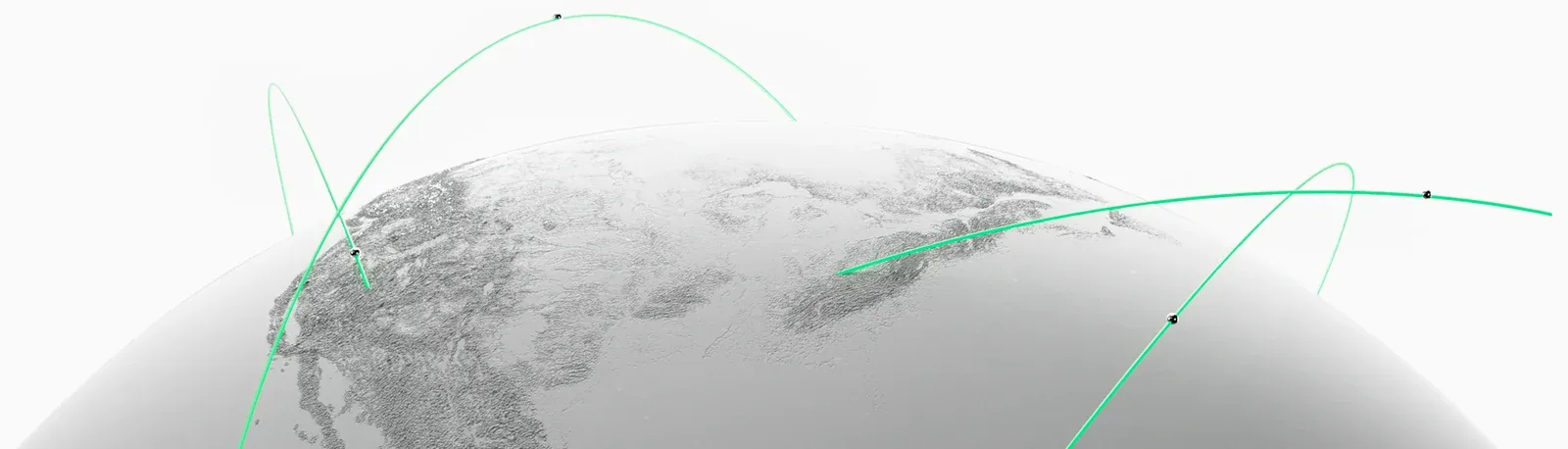
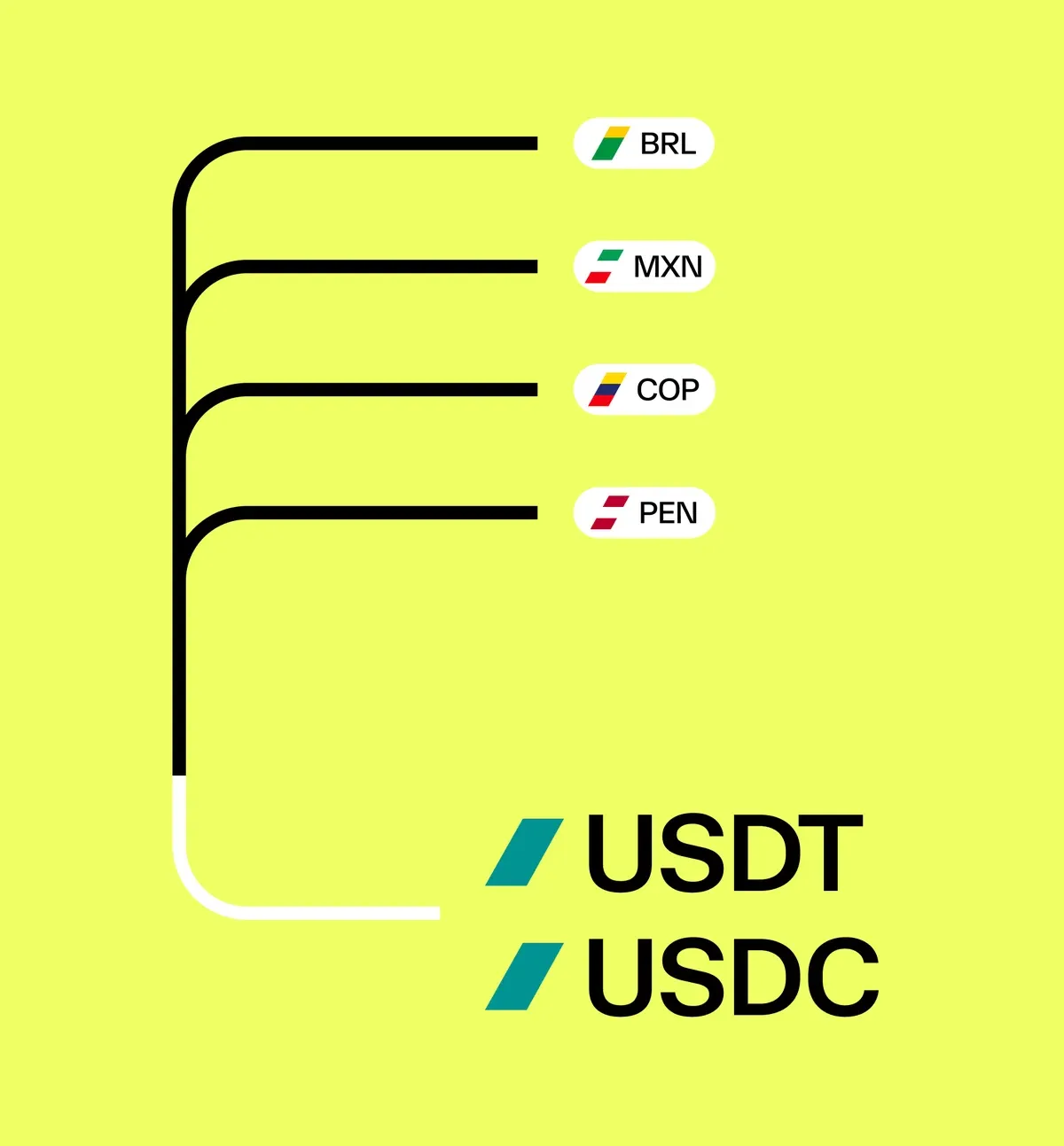
VelaFi says that, on one platform, Brazilian exporters can receive payments from Asian buyers faster, importers can pay Asian suppliers more efficiently, and Asian companies entering Brazil can pay and collect locally in reais, with cross-border settlement on stablecoin rails. The “faster” and “more efficiently” comparisons are the company’s own description of its service. The announcement does not publish a fee table or a settlement-time benchmark against correspondent banking.
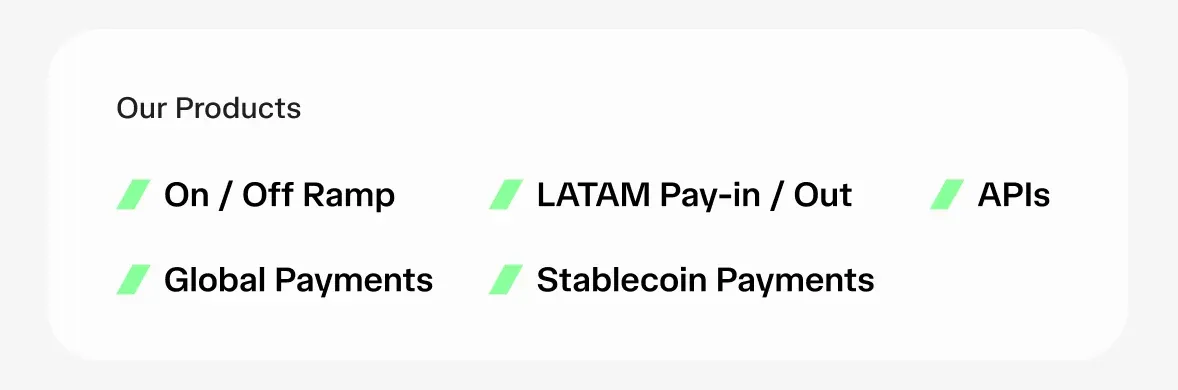
In the same statement, VelaFi described the platform as connecting local banking rails, global transfers and major stablecoin networks, and as providing on/off ramps, pay-ins and pay-outs, cross-border payments, multi-currency accounts, liquidity and treasury tools, and secure custody, available on the platform or through API integrations. It also said it operates through regulated entities across Latin America, Asia and other key markets (VelaFi). Those are product and footprint claims from the company, not a hands-on review, and they should not be read as a statement that the Brazilian entity has already been authorized.
VelaFi said the Brazil office builds on an existing network that serves thousands of institutional clients and reaches more than 200 countries and regions. Those client and coverage figures are company claims. The announcement does not cite a public register or an independent audit for them.
What are the key facts in the announcement?
The table below summarises the facts in VelaFi’s 17 November 2026 announcement and the primary sources it points to. Each row is attributed. Company claims about clients and coverage are labelled as VelaFi’s.
| Item | Detail | Source |
|---|---|---|
| Announcement date | 17 November 2026, dated São Paulo | VelaFi |
| Office | Brazil office opened; led by Rodrigo Moreira, country manager for Brazil, with a full local team, according to the company | VelaFi |
| Regulatory status | Brazilian entity has applied for BCB authorization; not described as granted | VelaFi; BCB |
| Rules in force | Resolutions BCB 519, 520 and 521, effective 2 February 2026. English term: VASPs; Portuguese term in the announcement: PSAVs | BCB |
| Brazil adoption rank | First in the 2026 Global Crypto Adoption Index | Chainalysis |
| Stablecoin growth figure | 495% in the 12 months to June 2026, attributed by VelaFi to Chainalysis. Confirmed in Chainalysis’ Latin America chapter as 495% growth in the value of Brazil’s stablecoin economy, driven largely by business use | VelaFi citing Chainalysis; Chainalysis, LATAM chapter |
| Network claims | Thousands of institutional clients; more than 200 countries and regions | VelaFi (company claim) |
| Trade angle in the announcement | China is described as Brazil’s largest trading partner; trade and investment with Asia are said to drive demand for payments and collections | VelaFi |
Two caveats stand out. First, the licensing fact is an application, not an approval. Second, the client and geographic-coverage numbers come from VelaFi, not from a public register or an independent audit cited in the announcement.
Stablecoin Insider's take
Comparing ramps and B2B payout tools? See our guide to B2B stablecoin payout and treasury tools, and our note on stablecoin corridors in Asia. Brazil’s first-place ranking is also covered in our Stablecoin Adoption Index 2026.
For the full picture, see our Stablecoin payments hub.
FAQ
Has Banco Central do Brasil authorized VelaFi?
What is a PSAV, and how does it relate to a VASP?
Is the 495% figure on the Chainalysis index page VelaFi linked?
Are VelaFi’s client and country-coverage figures independently verified?
Does the announcement give a timeline, address or fees for the Brazil office?
What happens next?
The hard fact to watch is whether the BCB grants authorization to VelaFi’s Brazilian entity under Resolutions 519, 520 and 521 (BCB). The announcement gives no decision date and does not say the application has been accepted or refused. This article does not predict that outcome. Until a decision is public, the licensing status remains an application. VelaFi also has not published, in this statement, a fee schedule, corridor volumes or a client list that would let readers test the Asia–Brazil payments claims against the office opening.
Sources: VelaFi, 17 November 2026 announcement, provided by Voodoo agency; Banco Central do Brasil, “BCB details rules on virtual assets” (Resolutions 519, 520 and 521); Chainalysis, 2026 Global Crypto Adoption Index (23 September 2026); Chainalysis, Latin America chapter of the 2026 Geography of Cryptocurrency report (23 September 2026); VelaFi, brand identity post (used for a product graphic only). All read on 16 November 2026.
This content is provided for informational and educational purposes only and doesn't constitute financial, investment, legal or tax advice. Figures and product descriptions were read from VelaFi’s 17 November 2026 announcement, VelaFi’s website, Banco Central do Brasil and Chainalysis pages on 16 November 2026 and may change. VelaFi’s Brazilian entity has applied for BCB authorization; this article is not a statement that the authorization has been granted. It isn’t a recommendation to use VelaFi, any stablecoin, or any payments provider mentioned.