Table of Contents
In 2025, international payments are evolving rapidly. Stablecoins are handling more than $6.3 trillion each year, positioning them as a key player in global money movements.
This analysis looks at BIITLAND.com, a site dedicated to cryptocurrency education, and susDE (Staked USDe), a stablecoin that earns yields and is attracting interest.
Key Takeaways
- BIITLAND serves as an educational resource, not a stablecoin creator: They offer crypto insights and study materials but aren't involved in developing susDE
- susDE comes from Ethena Labs: It's a version of USDe that generates yields, providing over 10% APY via staking
- susDE isn't intended for transactions: Its main goal is to produce returns in DeFi, not to support money transfers
- USDT and USDC lead in international payments: They feature superior liquidity, wider merchant adoption, and easier processes
- Regulations restrict susDE: It's prohibited in the EU and doesn't have the regulatory setup of stablecoins focused on payments
What is BIITLAND?

BIITLAND.com functions as a platform for cryptocurrency learning and evaluation. Established amid the 2021 market surge by experts in finance and tech, it aims to make crypto information available to everyone.
Core Services
BIITLAND delivers four primary services:
- Educational Materials: Fundamentals of Bitcoin, in-depth blockchain tutorials, and breakdowns of cryptography suitable for beginners to experts
- Market Resources: Live price monitoring, approaches to trading, and assessments of investments
- Sector Studies: Profiles of companies, examinations of applications, and news on regulations
- Community Tools: Contributions from users, insights from specialists, and areas for discussions
Platform Development
Based on their formal documents, BIITLAND intends to grow past just education. Their roadmap for 2025 involves introducing a proprietary blockchain, utilities for NFTs, and features for decentralized exchanges across chains.
The goal is to evolve into what they describe as "a foundational system for blockchain."
Understanding susDE Stablecoin
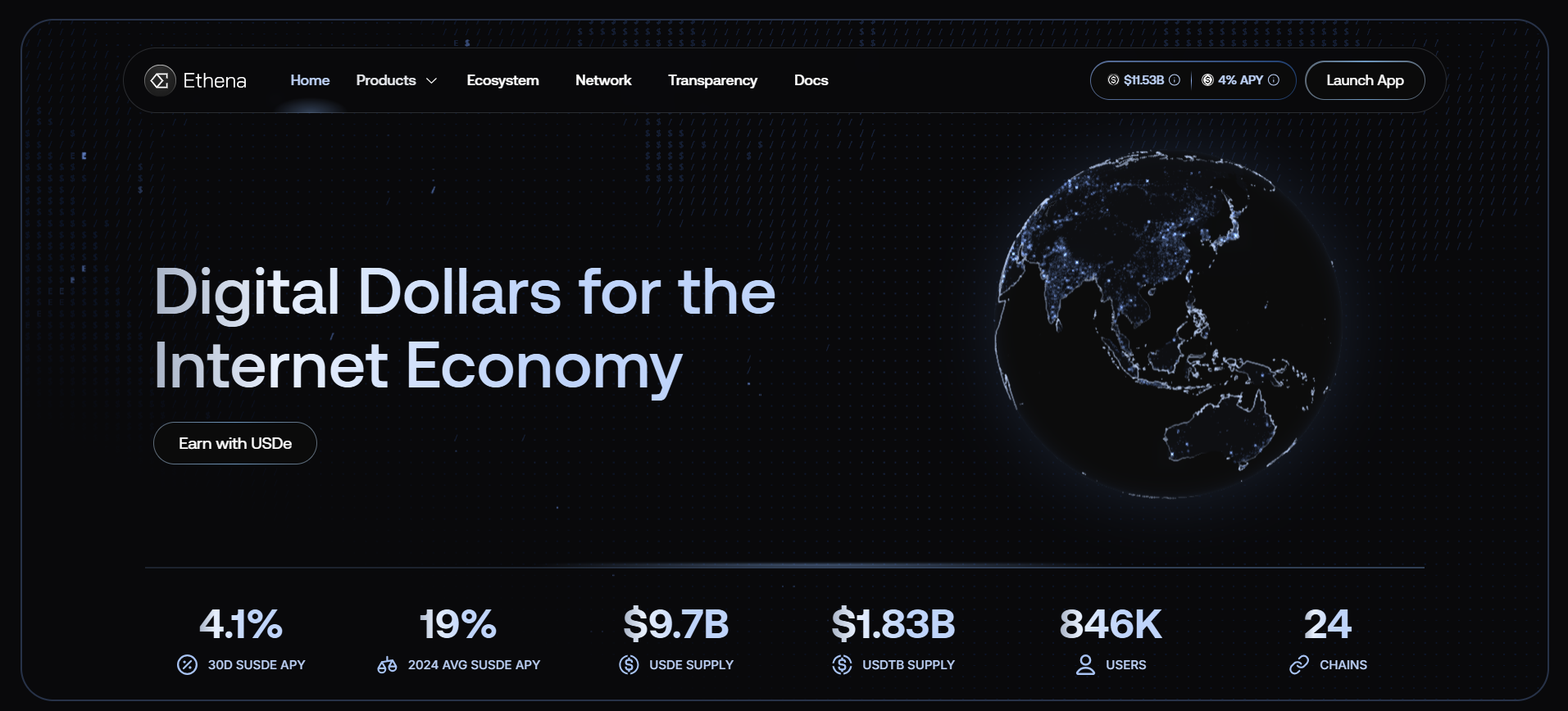
susDE (Staked USDe) is developed by Ethena Labs, separate from BIITLAND. This separation is important since susDE functions unlike conventional stablecoins.
Technical Details
susDE employs a synthetic dollar framework:
- Backing Approach: Digital assets combined with short futures contracts (instead of cash reserves)
- Yield System: Holders stake USDe to obtain susDE, accumulating rewards gradually
- Present Value: 1 susDE equals about 1.18 USDe because of built-up returns
- APY Spectrum: 10-18% per year, varying with market dynamics
How It Works
The staking procedure is simple:
- Acquire USDe tokens via an exchange
- Stake them through Ethena's site
- Obtain susDE tokens as staking evidence
- Accumulate yields automatically during holding
- Withdraw at any point to receive USDe along with earnings
Recent daily trading for susDE hit $16.7 million, indicating strong activity mainly in DeFi rather than for transfers.
Cross-Border Payment Challenges in 2025
Conventional global transfers continue to encounter significant hurdles:
Banking System Issues
- Speed: Wire payments require 3-5 business days
- Cost: Charges vary from $25-75 per transaction
- Access: Restricted to bank operating hours and weekdays
- Complexity: Varied regulations across nations
Current Crypto Solutions
Bitcoin and Ethereum allow quick transfers, but their value fluctuations render them unsuitable for payments. This has fueled the need for stablecoins, which now manage 3% of worldwide international payments.
Recent updates on stablecoins indicate that authorities are paying attention.
The 2025 STABLE Act in the US and MiCA regulations in Europe offer explicit standards for stablecoin activities.
How susDE Addresses Cross-Border Payment Needs
Although susDE wasn't designed for transactions, let's review its technical abilities:
Transaction Performance
- Speed: 12-15 seconds on the Ethereum network
- Availability: Operates around the clock without banking interruptions
- Direct Transfers: Eliminates the need for intermediate banks
Cost Structure
- Network Charges: $5-50 in Ethereum gas expenses
- No Banking Charges: Avoids standard wire fees
- Overall Savings: Can be up to 80% less expensive than wires
Payment Limitations
Four elements hinder susDE from serving as a payment method:
- Location Bans: Prohibited in EU and EEA regions
- Design Emphasis: Created for returns, not transactions
- Merchant Backing: Virtually no companies take it
- User Process: Staking introduces extra complications
susDE vs. Competing Stablecoins
Examining rivals highlights why susDE isn't leading in payments:
Market Leaders
- Market cap: Over $100 billion
- Accepted worldwide, particularly in Asia
- Operates across various blockchains
- Favored for global trades
- Market cap: $35 billion
- Robust compliance and reviews
- Common among US enterprises
- Backed by key payment systems
Other Notable Options
More than 200 stablecoins are available in 2025:
- PYUSD: PayPal's token for online shopping
- RLUSD: Ripple's expanding choice
- DAI: A decentralized substitute
susDE's Position
susDE differentiates itself with:
- Elevated returns (over 10% APY)
- Synthetic support mechanism
- DeFi-oriented strategy
For transactions, standard stablecoins prevail due to ease, widespread use, and official endorsements.
Real-World Use Cases and Case Studies
Where Stablecoins Excel
1. Business Payments:
- Firms settle with suppliers immediately
- On-chain record-keeping for transactions
- Substantial reductions in fees
2. Personal Remittances:
- Employees transfer funds home affordably
- Beneficiaries sidestep local money issues
- No need for a bank account
3. E-Commerce:
- Debit cards for stablecoins allow straightforward spending
- Sellers evade chargeback risks
- International sales made easier
Where susDE Works Best
susDE performs strongly in DeFi:
- Security for digital loans
- Strategies for yield farming
- Additions to liquidity pools
- Creation of passive earnings
Security and Risk Analysis
Smart Contract Safety
Ethena Labs applies various safeguards:
- Audits by external parties
- Programs for bug rewards
- Upgrades with time delays
- Verification through open-source code
Financial Risks
Holders encounter multiple issues:
- Intricacy of delta-neutral tactics
- Exposure to futures markets
- Risk of peg loss
- Absence of insurance
Regulatory Issues
Existing constraints involve:
- Exclusion from EU markets
- Ambiguous US categorization
- Restricted international adherence
- Lack of banking safeguards
User Experience and Platform Review
Getting Started Process
- Wallet Setup: Create MetaMask or equivalent
- USDe Acquisition: Purchase on compatible exchanges
- Site Entry: Go to Ethena's staking page
- Staking System: Easy one-click process
- Earnings Monitoring: Panel displays returns
Platform Features
Ethena offers:
- Sleek design for the interface
- Compatibility with mobile devices
- Thorough guides
- Vibrant Discord group
Support Quality
Users have access to:
- Channels for community assistance
- System for email inquiries
- Extensive FAQs
- Updates via social platforms

Fees and Cost Analysis
Direct Costs
- Ethereum gas: $5-50 per action
- No charges for staking from Ethena
- Exchange costs: 0.1-0.5% for purchases
Hidden Expenses
- Slippage in prices for big transactions
- Lost chances during staking periods
- Possible taxes on generated yields
Payment Comparison
For a $10,000 global transfer:
- Bank wire: $45-75 plus currency conversion fees
- USDT/USDC: Only $5-20 in network costs
- susDE: $10-30 plus added staking difficulties
Pros and Cons of susDE for Cross-Border Payments
Advantages
- Passive Earnings: Gain while keeping funds
- Bank-Free: Completely decentralized setup
- Novelty: Fresh method for stablecoins
- DeFi Compatible: Integrates with numerous protocols
Disadvantages
- Limited Uptake: Few use it for transactions
- Regional Restrictions: Key areas barred
- Overly Complicated: Additional procedures deter people
- Incorrect Focus: Designed for yields, not expenditures
- Market Dangers: Worries about futures involvement
Future Outlook and Roadmap
Ethena's Plans
The group prioritizes:
- Deployment on multiple chains
- Additional DeFi connections
- Enhancement of yields
- Betterments to user interfaces
Payment Potential
For susDE to rival in transactions:
- Secure agreements with payment handlers
- Obtain necessary approvals
- Streamline the user experience
- Develop a network of merchants
Industry Direction
Advantages of stablecoins fuel ongoing expansion:
- Central banks introducing CBDCs
- Financial institutions developing stablecoins
- More defined worldwide rules
- Growing institutional involvement
Expert Opinions and Market Analysis
Financial Analyst Views
Industry specialists concur that susDE is effective for yields but inadequate for payments. The synthetic structure introduces unnecessary complexity for transaction users.
Compliance Perspectives
Experts in regulations point out that susDE's EU ban and vague standing restrict broad acceptance. Stablecoins geared toward payments, such as USDC, possess superior compliance structures.
User Feedback
DeFi enthusiasts appreciate the returns. Those focused on payments prefer conventional stablecoins for practicality. Elevated gas costs and staking hurdles reduce daily usability.
Conclusion: Is susDE the Cross-Border Payment Standard?
No, susDE does not represent the standard for international payments.
The proof is evident:
- Dominant Players Prevail: USDT and USDC lead with enhanced liquidity and adoption
- Misaligned Goal: susDE aims at yield production, not transactions
- Numerous Obstacles: Regulatory constraints, intricacy, and weak uptake
- BIITLAND Misunderstanding: They focus on education, unrelated to susDE
For international payments, opt for USDT or USDC. For gaining returns on stable holdings, susDE presents a compelling choice via stablecoin investment methods. The future favors straightforward, compliant, and broadly accepted stablecoins.
susDE shines in DeFi for yield creation but underperforms as a transaction tool.
Read Next:
- Citi & Coinbase Just Rewrote Wall Street Rules: Stablecoin Payments for Institutions Go Live in 2025
- Understanding Rebase Tokens: The Next Wave in Flexible Cryptocurrency
- How to Earn 10%+ APY on Stablecoins Using Trusted Protocols
- How to Efficiently Transfer Stablecoins Across Blockchains: Complete Guide for 2025
FAQs:
1. How do I get started with susDE?
To begin with susDE:
- Establish an Ethereum wallet
- Purchase USDe on a leading exchange
- Access Ethena Labs' site
- Stake your USDe to acquire susDE
2. What are the minimum and maximum transaction limits?
susDE lacks inherent limits, but keep in mind:
- Minimum: Suggest $1,000+ because of gas charges
- Maximum: Constrained by liquidity levels
- Practical Scope: $1,000-100,000 for optimal results
3. Which countries support susDE transactions?
susDE operates in most places except:
- Every European Union nation
- Countries in the European Economic Area
- Certain banned locations
- Areas where Ethena opts out
4. How does susDE maintain its price stability?
Price steadiness derives from:
- USDe's delta-neutral approach
- Handling of crypto collateral
- Positions in short futures
- Systems for arbitrage
5. What happens if BIITLAND faces regulatory issues?
BIITLAND and susDE are distinct:
- Issues with BIITLAND won't impact susDE
- Ethena Labs functions on its own
- Track each entity individually
6. Can susDE be used for everyday purchases?
In theory yes, but in practice no:
- Hardly any sellers accept it
- Steep gas fees make small buys costly
- Staking adds unnecessary hassle
- Superior alternatives are available (USDC, USDT)
7. How do I convert susDE back to fiat currency?
Conversion involves these actions:
- Unstake susDE to get USDe and yields
- Transfer USDe to an exchange
- Exchange for fiat
- Transfer to a bank (1-3 days)