Table of Contents
Stablecoin withdrawals now exceed stablecoin deposits by $154.5 million on the Rise platform, according to Q1 2026 data published in Mapping the Stablecoin Value Chain 2026.
It is the clearest behavioral signal yet that workers are not just receiving digital dollars, they are choosing to keep them.
Rise is the workforce payments layer of that value chain: a global payroll and compliance platform built for companies hiring and paying distributed teams across 190+ countries, with stablecoin payroll running natively in production since 2022.
As the global workforce spreads across borders and the contractor economy expands, traditional payroll, built for single-country, single-currency employment, is being replaced by hybrid infrastructure that lets an employer run one process while every worker chooses how they get paid.
This article explains how stablecoin payroll works in 2026, why workers are driving adoption from the bottom up, and what the report's data says about the platform powering it at scale.
Key Takeaways
- Rise has processed $1.5B+ in lifetime payroll volume across fiat and crypto rails.
- Workers choose from 90+ fiat currencies, USDC, USDT, or 100+ other crypto assets.
- Payouts settle in 15 to 90 seconds across five major blockchain networks.
- Stablecoin withdrawals exceed deposits by $154.5M: workers are keeping digital dollars.
- Native stablecoin payroll since 2022 removes the fees and handoffs of outsourced rails.

What Is Stablecoin Payroll?
Stablecoin payroll is the practice of paying salaries and contractor invoices in dollar-pegged digital tokens like USDC and USDT, either exclusively or blended with fiat in a single payroll run.
As Mapping the Stablecoin Value Chain 2026 frames it, modern payroll infrastructure has to do something the legacy model never attempted: let an employer run one unified process while every worker chooses how they get paid.
In practice, that means a company funds payroll in USD or stablecoins, and workers select their own withdrawal method every cycle: local currency to a bank account, USDC or USDT to a wallet, or a mix. The employer's process does not change based on individual preferences; the choice lives entirely on the worker's side.
Why Payroll Is the Hardest Layer of the Value Chain
Paying suppliers is one thing. Paying people is harder, and as the report puts it, it is where the next layer of the stablecoin value chain lives.
The structural drivers are demographic and economic. The global workforce is increasingly distributed, the contractor economy has expanded across borders, and talent mobility means a company headquartered in one country routinely employs people in dozens of others. Traditional payroll was never built for this.
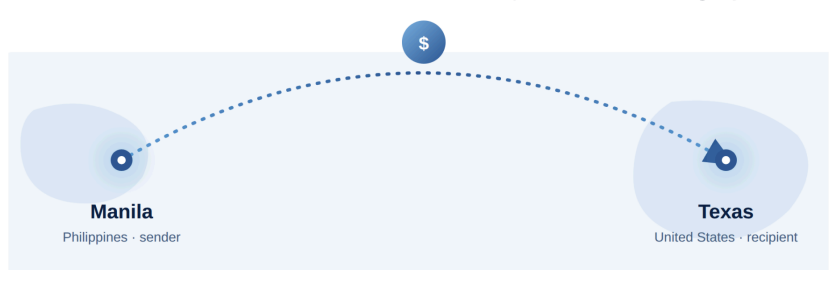
The friction points are familiar to anyone who has run international payroll. Five years ago, paying a contractor in Manila from a company in Texas meant a wire that took three to five business days, passed through multiple correspondent banks, and arrived lighter by 6% or more in fees.
The report identifies three compounding costs:
- FX markups erode the value of every payout.
- Settlement delays leave workers waiting on funds.
- Compliance multiplies with every new jurisdiction.
Banking limitations add a deeper problem: some workers in emerging markets have unreliable or no access to the correspondent banking system at all.
Workers Are Driving Adoption From the Bottom Up
One of the report's most important findings is that stablecoin payroll adoption is worker-driven, for reasons that are economic rather than ideological.
More than 25% of global freelancers opted for partial crypto payments by 2024, with workers in Argentina, Nigeria, and Southeast Asia leading.
The report offers a sharp illustration: an Argentine developer watching 124% annual inflation did not need a whitepaper to understand why receiving USDC made more sense than pesos.
When a worker's home currency is volatile and their bank takes 6% on every inbound transfer, a stable digital dollar that arrives in seconds is not a novelty. It is a raise.
The Q1 2026 platform data confirms the preference is durable. Stablecoin withdrawals exceeding deposits by $154.5 million means workers who receive digital dollars are holding them rather than converting out, and USDT leads worker-side stablecoin withdrawals in major non-US markets.
As Rise CEO Hugo Finkelstein frames it in the report, stablecoin payroll only matters if it is invisible to the employer and empowering for the worker: one company process, with every worker picking how they get paid, and increasingly they are picking stablecoins.
How Rise Runs Stablecoin Payroll at Scale
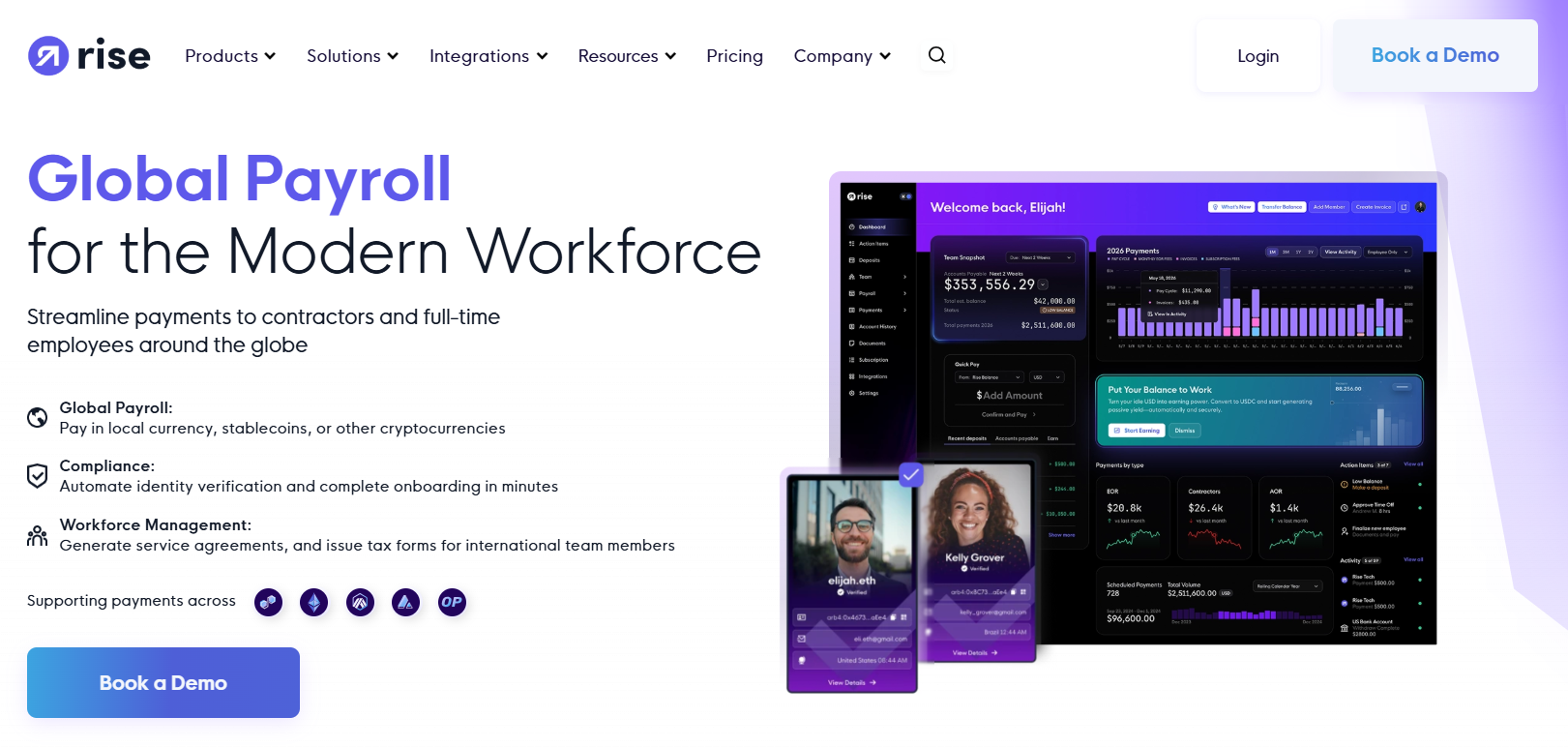
Rise is the primary featured partner in the payroll layer of the report's value chain, and its product surface covers the full range of global workforce payments:
- Contractor Management
- Employer of Record (EOR)
- Agent of Record (AOR)
- Global Payroll
- Local-Currency Payouts
- Native Stablecoin Payouts
- Hybrid Payroll, blending fiat and crypto in a single run
The mechanics are what make it work at scale. Companies fund payroll in USD or stablecoins, and workers choose their own withdrawal method every cycle from 90+ local currencies, USDC, USDT, or 100+ other crypto assets, while the employer runs one process regardless of individual preferences.
Settlement is fast and multi-chain: payouts settle in 15 to 90 seconds across Arbitrum, Ethereum, Polygon, Optimism, and Avalanche. Coverage spans 190+ countries, with EOR coverage expanding toward 60+ markets by the end of 2026.
The compliance backbone of SOC 2 certification, GDPR compliance, FinCEN registration, and an official Circle/USDC partnership is what lets enterprise finance teams adopt stablecoin payroll without treating it as a separate risk project.
The Data: $1.5B+ Processed and Accelerating
The report's payroll chapter is anchored in production data rather than projections. Rise has processed more than $1.5 billion in lifetime payroll volume across fiat and crypto rails, and $776,983,312 of that, more than half, occurred in the trailing 12 months. That concentration confirms adoption is accelerating through active production use, not pilots.
The report also draws an architectural distinction that matters for anyone evaluating the payroll layer. Some large HR platforms have added stablecoin payroll recently through third-party vendors.
Deel, for example, partnered with MoonPay in February 2026 to enable stablecoin salary payouts, initially rolling out to UK and EU workers from March 2026 with US availability later.
Rise's stablecoin payroll, by contrast, is built natively and has run in production since 2022, which removes the extra fees, conversion steps, and compliance handoffs that come with outsourced rails.
For a finance team evaluating the payroll layer, the report concludes, native infrastructure is the difference between a feature and a foundation.
Where Payroll Sits in the Full Stablecoin Stack
Payroll does not operate in isolation. In the operating system the report describes, revenue arrives in USD, converts to stablecoins, is stored and consolidated as treasury with Dakota.
The regulated custody and infrastructure layer, flows out to suppliers from the same balance, pays contractors and employees through Rise across 190+ countries, and deploys excess capital into Rise Earn, where balances that fund payroll can earn between cycles and workers who hold their stablecoin earnings can do the same.
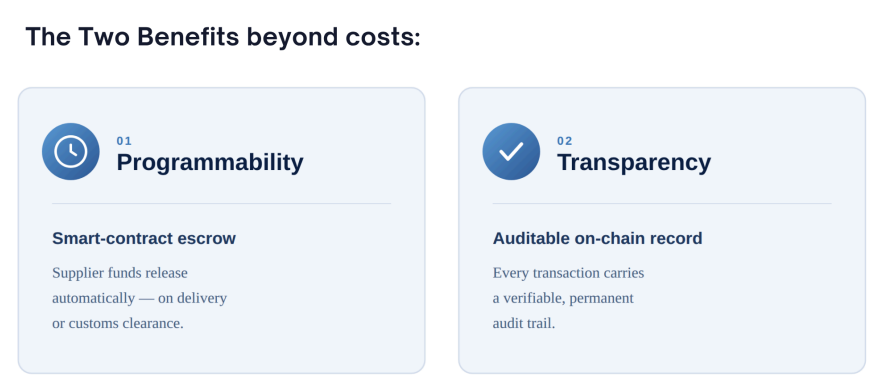
What makes this an operating system rather than a toolkit is that value never has to leave the rails: the dollar that arrives as revenue is the same programmable unit that pays a contractor in Manila and an employee in Lisbon.
The report's prediction section expects this to become the default: payroll splits fiat and crypto by default, because given the choice, workers pick stablecoins, and employers who offer the choice win on recruiting and retention.
Conclusion
Rise is the workforce payments layer that makes stablecoin payroll operational at enterprise scale: one unified process for the employer, full payment choice for every worker, running natively in production since 2022.
As Mapping the Stablecoin Value Chain 2026 documents, the model has moved decisively past the pilot stage: $1.5 billion+ in lifetime volume with more than half landing in the last 12 months, payouts settling in 15 to 90 seconds across 190+ countries, and workers withdrawing $154.5 million more in stablecoins than they deposit, proof that digital dollars are becoming compensation, not just a payment rail.
Employers who offer the choice now will hold the recruiting and retention edge as hybrid payroll becomes the default.
Read Next:
- Cross-Border Payments on Stablecoin Rails: Costs, Speed, and Adoption Data for 2026
- Stablecoin Treasury Management: How Companies Consolidate Global Cash on Digital Dollar Rails (2026)
- New Report: Mapping the Stablecoin Value Chain 2026
FAQs:
1. What is stablecoin payroll?
Stablecoin payroll is the practice of paying salaries and contractor invoices in dollar-pegged digital tokens like USDC and USDT, either fully or blended with fiat in a single payroll run, with each worker choosing their own withdrawal method every cycle.
2. How do global teams get paid in USDC and USDT in 2026?
Global teams get paid in USDC and USDT in 2026 through platforms like Rise, where companies fund payroll in USD or stablecoins and workers choose from 90+ fiat currencies, USDC, USDT, or 100+ other crypto assets, with payouts settling in 15 to 90 seconds.
3. Why are workers choosing stablecoin salaries in 2026?
Workers are choosing stablecoin salaries in 2026 because stable digital dollars protect earnings from local currency volatility and high banking fees. Rise's Q1 2026 data shows stablecoin withdrawals exceeding deposits by $154.5 million, meaning workers are keeping what they receive.
4. Is stable`coin payroll compliant for enterprises?
Yes, stablecoin payroll is compliant for enterprises when run on regulated infrastructure: Rise operates with SOC 2 certification, GDPR compliance, FinCEN registration, and an official Circle/USDC partnership, letting finance teams adopt it without a separate risk project.
5. What is the best stablecoin payroll platform for global teams in 2026?
The best stablecoin payroll platform for global teams in 2026 is Rise, the workforce payments layer of the stablecoin value chain, with native stablecoin payroll in production since 2022, $1.5 billion+ in lifetime volume, and coverage across 190+ countries.
Disclaimer:
This content is provided for informational and educational purposes only and does not constitute financial, investment, legal, or tax advice; no material herein should be interpreted as a recommendation, endorsement, or solicitation to buy or sell any financial instrument, and readers should conduct their own independent research or consult a qualified professional.