
Table of Contents
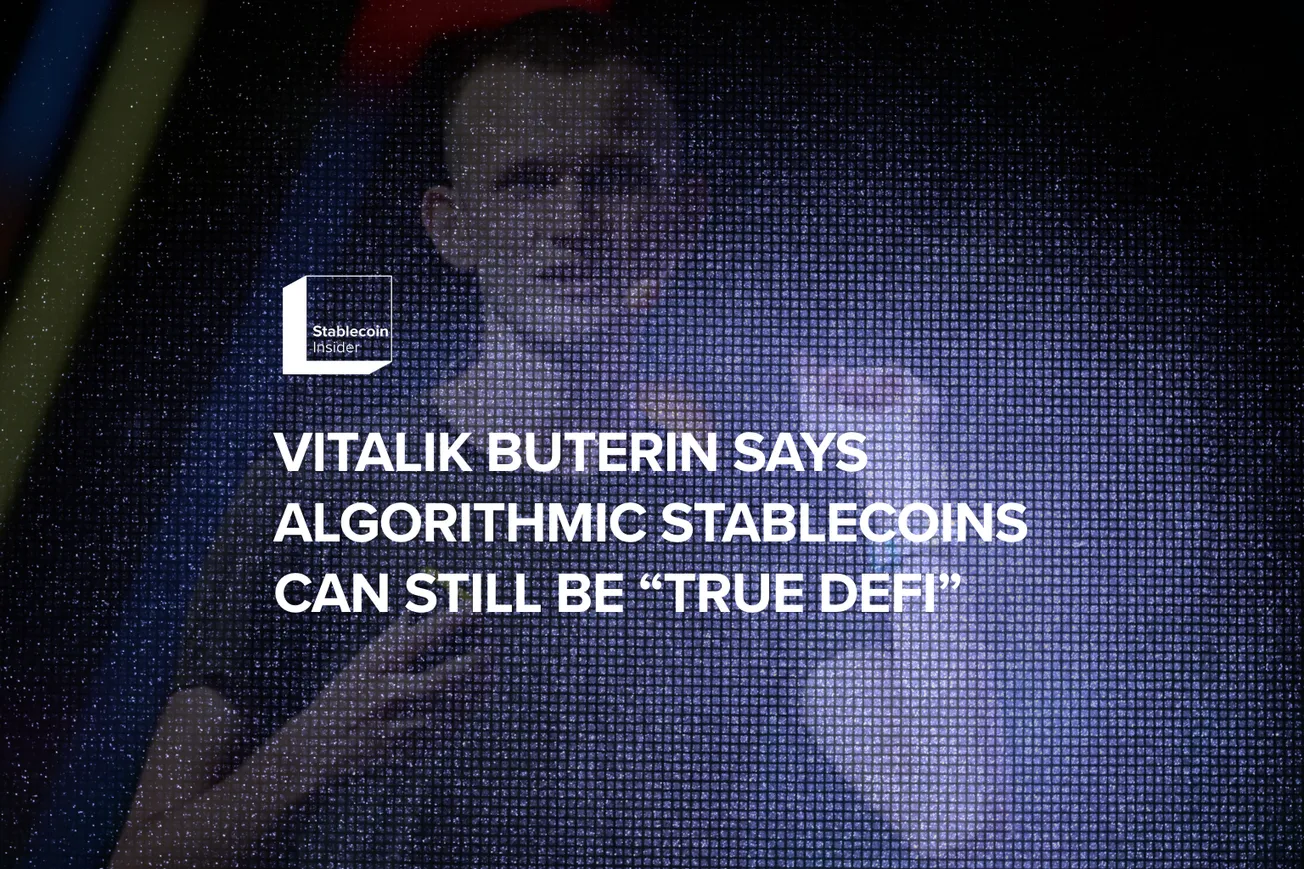
Ethereum co-founder Vitalik Buterin has sparked renewed debate in the cryptocurrency community by declaring algorithmic stablecoins as embodiments of "genuine DeFi," while dismissing yields from centralized stablecoins such as USDC as failing to meet the standards of true decentralized finance.
In a recent X post, Buterin argued that DeFi should prioritize structures that minimize counterparty risk and move away from dollar dominance, highlighting a vision for a more resilient and diversified ecosystem.
Key Takeaways
- Algorithmic Stablecoins as True DeFi: Well-designed models that decentralize risk through market makers or diversification qualify, per Buterin.
- Criticism of Centralized Yields: USDC-based strategies in lending protocols are not genuine DeFi due to reliance on centralized entities.
- Shift from Dollar Peg: Advocate for moving to diverse indices to reduce fiat dependency and enhance resilience.
- Risk Management Focus: Overcollateralization and asset diversification are key to improving holder protections.

This statement comes amid ongoing discussions about the authenticity of DeFi applications, many of which rely on centralized assets.
Buterin's comments, posted on February 8, 2026, respond to criticisms that much of DeFi is merely "cargo cult" behavior, imitating financial services without delivering real decentralization.
As Ethereum continues to evolve, his insights could influence the direction of stablecoin development and broader DeFi protocols.
The Core of Buterin's Argument
Buterin addressed a post by crypto analyst @colludingnode, who claimed DeFi primarily serves cryptocurrency holders seeking self-custody financial services, dismissing other applications as superficial.
Anticipating pushback, Buterin preemptively stated, "inb4 'muh USDC yield', that's not DeFi."
He elaborated that algorithmic stablecoins qualify as true DeFi. In an "easy mode" explanation, Buterin described ETH-backed stablecoins where users can transfer counterparty risk to market makers, even if most liquidity comes from collateralized debt positions (CDPs).
This mechanism, he said, provides a significant feature by decentralizing risk.
For a "hard mode" scenario, he endorsed overcollateralized stablecoins backed by real-world assets (RWAs), provided they are diversified enough to withstand the failure of any single asset.
The key criterion: the maximum share of any backing asset should not exceed the overcollateralization ratio, improving risk properties for holders.
Buterin criticized common practices like depositing USDC into lending protocols such as Aave for yield, arguing they do not qualify as DeFi because they outsource critical risks to centralized issuers like Circle.
He advocates shifting from the US dollar as the unit of account (UoA) toward generalized diverse indices, reducing dependency on fiat currencies and enhancing decentralization.
This critique aligns with broader concerns in the crypto space, where regulatory scrutiny on stablecoins is intensifying.
For instance, the European Central Bank has highlighted vulnerabilities in stablecoins tied to redeemability at par, underscoring the need for more robust designs.
Implications for DeFi and Stablecoins
Buterin's stance challenges the status quo in DeFi, where centralized stablecoins dominate with over $150 billion in market cap as of early 2026.
Projects like DAI, an algorithmic stablecoin backed by ETH and other assets, exemplify his "easy mode" ideal, though past failures like Terra's UST remind the community of risks.
Experts suggest this could spur innovation in overcollateralized models and RWA integrations, potentially leading to stablecoins pegged to commodity baskets or inflation indices.
However, achieving true diversification remains challenging amid market volatility and regulatory hurdles.

Conclusion
Vitalik Buterin's latest remarks reinforce his commitment to Ethereum's foundational principles of decentralization.
By championing algorithmic stablecoins and critiquing centralized alternatives, he calls for a DeFi ecosystem that prioritizes innovation over imitation.
As the crypto landscape matures, these ideas could drive the next wave of stablecoin evolution, fostering a more strict and independent financial system.
Whether developers heed this advice remains to be seen, but the conversation underscores DeFi's ongoing quest for authenticity.
Read Next:
- What Are USDC Gateway Wallets?
- Top Stablecoins and Pegged Assets on Solana in 2026
- Tokenized Money Market Funds: Everything you Need to Know for 2026
FAQs:
1. What did Vitalik Buterin say about algorithmic stablecoins?
He described them as "genuine DeFi" if they allow users to transfer counterparty risk to market makers or are overcollateralized with diversified assets.
2. Why does Buterin criticize USDC yields in DeFi?
He argues they rely on centralized issuers, failing to deliver true decentralization, unlike self-sustaining algorithmic models.
3. What is Buterin's vision for DeFi's future?
He envisions shifting from dollar-pegged stablecoins to those backed by diverse indices, reducing fiat reliance and improving risk distribution.
4. How do algorithmic stablecoins differ from centralized ones like USDC?
Algorithmic versions use smart contracts and collateral to maintain pegs without a central authority, while USDC is backed by reserves held by Circle.
5. What risks do stablecoins face according to regulators?
Loss of faith in redeemability at par is a core vulnerability, as noted by bodies like the ECB.
Disclaimer:
This content is provided for informational and educational purposes only and does not constitute financial, investment, legal, or tax advice; no material herein should be interpreted as a recommendation, endorsement, or solicitation to buy or sell any financial instrument, and readers should conduct their own independent research or consult a qualified professional.