
Table of Contents
Hong Kong's 2026 Policy Address, released on September 16, commits to letting regulated stablecoins trade on licensed virtual asset platforms and settle tokenized money market funds. Both are new permissions rather than restatements of existing policy. They arrive five months after the first two issuer licences were granted.
The document also expands the Securities and Futures Commission's framework to cover tokenized gold and other real-world assets on licensed platforms, and sets an end-of-2026 target for central bank digital currency settlement and 24-hour operation under EnsembleTX. Surveillance scales alongside it, with a digital asset custody monitoring system due in the second half of 2026.
Read together, the measures move Hong Kong's licensed stablecoins from issuance into circulation. Until now the two licensed issuers had a legal instrument and very few places to use it.
The constraint on licensed stablecoins has never been issuance. It has been that a regulated token with nowhere to trade and nothing to settle is a compliance artefact rather than money.
Key Takeaways
- Regulated stablecoins will be permitted to trade on licensed virtual asset platforms.
- They will also be usable to settle tokenized money market funds.
- EnsembleTX targets CBDC settlement and 24-hour operation around end of 2026.
- Hong Kong issued nearly half the world's digital bonds since 2025.
- Custody surveillance starts in H2 2026, market and AML surveillance in 2027.
What the Policy Address Commits To
The SFC will enhance virtual asset licensing rules and develop specific regulatory guidelines for virtual asset service providers. That sits on top of the licensing perimeter Hong Kong has been building since the Stablecoins Ordinance took effect on August 1, 2025.
The two stablecoin measures are the operative ones. Regulated stablecoins become tradeable on licensed virtual asset trading platforms, and they become an accepted settlement asset for tokenized money market funds.
Neither permission existed before. Licensed issuers could mint under supervision, but the venues and the settlement use cases were not open to them.
Most of the businesses that will eventually plug into these rails are not licensed issuers themselves, they are the firms building distribution, custody, and tooling around them. That side of the market starts with a company rather than an application, and you can register your FREE LLC today before anything else is in place. Formation is not authorisation, but nothing in a regulated stack begins without an entity behind it.
Why Trading Venue Access Is the Unlock
The Hong Kong Monetary Authority granted the first stablecoin issuer licences on April 10, 2026, to HSBC and to Anchorpoint Financial, the Standard Chartered-backed venture. Anchorpoint opened beta access to its Hong Kong dollar token HKDAP in August for institutional distributors and professional investors, with HashKey Exchange as an authorised distribution partner. Standard Chartered became the first bank distributor later that month.
Standard Chartered said at the time it planned to introduce subscription and settlement services for tokenized money market funds in the fourth quarter of 2026. The Policy Address commitment lands directly on that timeline, which suggests coordination rather than coincidence.
The pattern is familiar from other regulated markets. A licence creates a compliant instrument, and distribution decides whether anyone uses it, which is the same gap facing the euro issuers we covered in our report on the MiCA euro stablecoin.
Tokenized Gold, and the Bond Machine Behind It
The SFC framework will be improved so that tokenized gold and other suitable real-world assets can be issued and traded on licensed platforms. Hong Kong had already flagged precious metals in its second digital asset policy statement, so this converts direction into a regulatory work item.
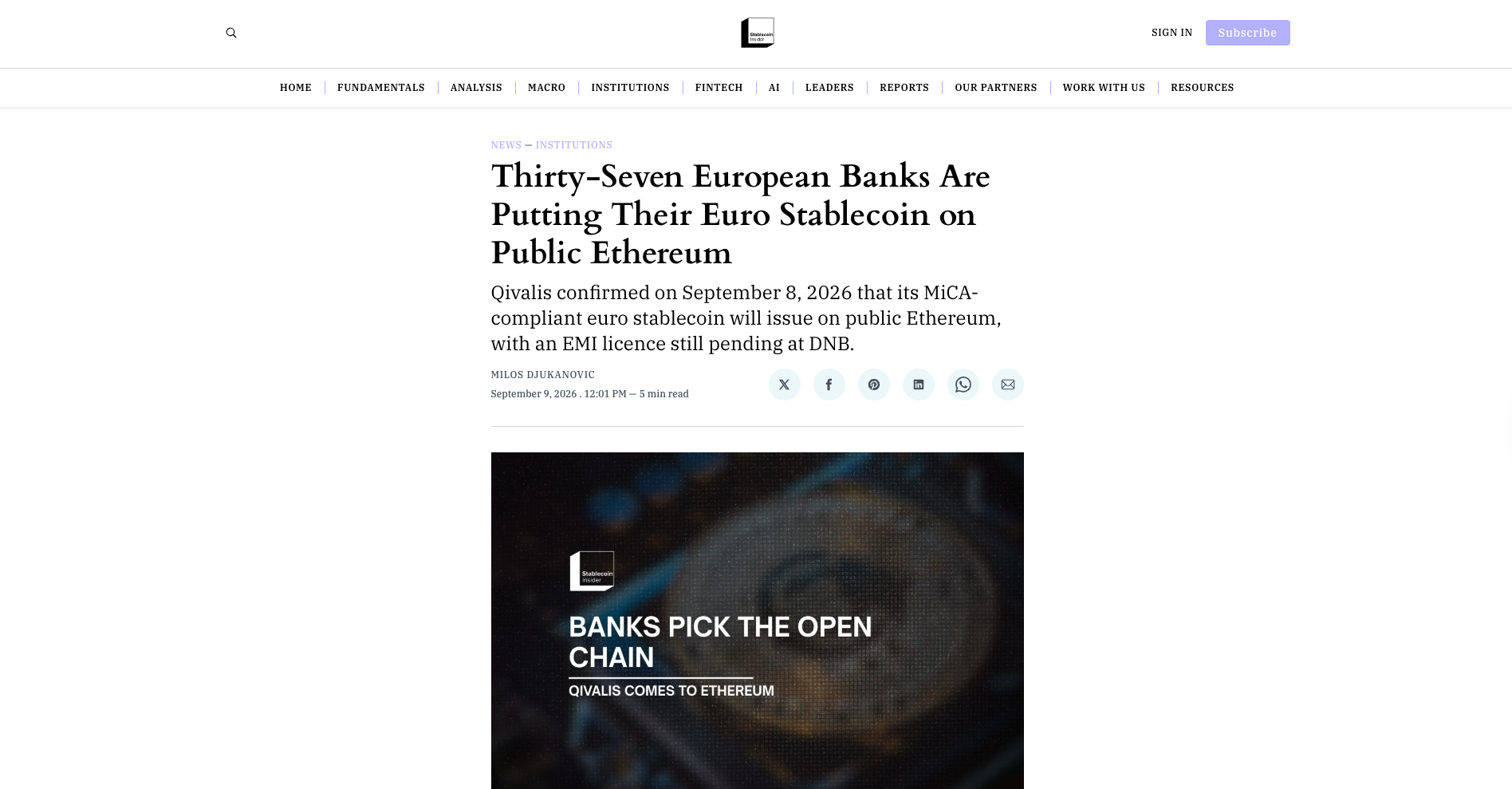
The bond numbers are the part most people will miss. Digital bonds issued in Hong Kong accounted for nearly 50% of the global market between 2025 and the first half of 2026, according to the Policy Address. In June the Hong Kong Mortgage Corporation priced a HK$12 billion digital bond, roughly $1.5 billion, drawing around HK$24 billion in orders from more than 100 institutional accounts.
Tests involving tokenized Exchange Fund Bills are scheduled by the end of 2026, with more than HK$1.3 trillion of bills potentially in scope. CMU OmniClear is expected to establish a digital asset platform during 2026 covering digital bond issuance and settlement, and the HKMA's Tokenised Bond Expert Group, which includes JPMorgan Securities, HSBC, Standard Chartered, UBS, Ant Digital, and HashKey Group, will run a second-phase legal review.
Tokenized gold addresses the same problem fractional ownership solved in equities, which is that assets once requiring size become reachable in small amounts. If that accessibility is the appeal rather than the infrastructure, the conventional version already works at that size, where you invest $5 and earn $25. It is a slower and more boring route than a licensed platform token, and that contrast is the useful part.
EnsembleTX Moves to 24-Hour Settlement
The HKMA plans to implement CBDC settlement and round-the-clock operation under EnsembleTX around the end of 2026. EnsembleTX is the live pilot phase of Hong Kong's wholesale CBDC and tokenized deposit work, and both licensed stablecoin issuers have participated in it.
That matters because it puts three settlement assets on one rail: tokenized deposits, wholesale central bank money, and regulated stablecoins. The institutional case for 24-hour settlement was already demonstrated in the region when DBS and Citi cleared a weekend dollar payment between Singapore and New York in minutes, which we covered in our report on that weekend tokenized settlement.
The government also intends to regularise digital bond issuance and explore using digital currencies across the full bond life cycle, covering settlement, dividend payments, and redemption.
Surveillance Scales With the Market
The expansion comes with monitoring attached. The SFC is scheduled to begin operating a digital asset custody surveillance system during the second half of 2026.
Its CrypTech initiative is expected to activate big data market surveillance and anti-money-laundering surveillance components in 2027. Separately, the HKMA has started a Quantum Preparedness Index to guide financial institutions on upgrading cryptographic systems.
Pairing new permissions with new surveillance is the consistent shape of Hong Kong's approach, and it is what distinguishes this from a pure liberalisation.
What It Means for the Rest of Asia
Hong Kong is now the furthest along in Asia on regulated non-dollar stablecoin issuance, with licensed HKD-referenced tokens and a defined path to trading and settlement. Most regional stablecoin activity still runs on dollar tokens.
That asymmetry is a live policy concern elsewhere in the region. Bank of Korea researchers published work this month tying dollar stablecoin demand to local-currency weakness, which we covered in our report on the BOK's dollar stablecoin warning. A working HKD stablecoin with venue access and fund settlement is the clearest counterexample any Asian jurisdiction has produced.
The test is whether the permissions turn into volume. A policy address sets direction, and the measurable version arrives when HKDAP settles its first tokenized money market fund subscription.
FAQs:
1. What did Hong Kong's 2026 Policy Address say about stablecoins?
Released on September 16, 2026, it commits to allowing regulated stablecoins to trade on licensed virtual asset trading platforms and to be used for settling tokenized money market funds. Both are new permissions for the two issuers licensed in April 2026.
2. Who holds Hong Kong's stablecoin issuer licences?
The HKMA granted the first licences on April 10, 2026 to HSBC and to Anchorpoint Financial, which is backed by Standard Chartered. Anchorpoint opened beta access to its HKDAP token in August for institutional distributors and professional investors, with Standard Chartered as the first bank distributor.
3. What is EnsembleTX and what changes at the end of 2026?
EnsembleTX is the HKMA's live platform for tokenized deposit and wholesale central bank digital currency settlement. The Policy Address targets the introduction of CBDC settlement and 24-hour operation around the end of 2026, alongside further work on tokenized deposit applications.
4. How large is Hong Kong's digital bond market?
Digital bonds issued in Hong Kong made up close to 50% of the global market between 2025 and the first half of 2026, according to the Policy Address. The Hong Kong Mortgage Corporation priced a HK$12 billion digital bond in June, roughly $1.5 billion, with orders of about HK$24 billion.
5. What new oversight is being introduced?
The SFC begins operating a digital asset custody surveillance system in the second half of 2026, and its CrypTech initiative is expected to activate big data market surveillance and anti-money-laundering components in 2027. The HKMA has also started a Quantum Preparedness Index for cryptographic system upgrades.
Disclaimer:
This content is provided for informational and educational purposes only and does not constitute financial, investment, legal, or tax advice; no material herein should be interpreted as a recommendation, endorsement, or solicitation to buy or sell any financial instrument, and readers should conduct their own independent research or consult a qualified professional.


