Table of Contents
Seoul, South Korea - April 13, 2026.
Circle, the global issuer of USDC, the second-largest stablecoin by market capitalization, has strengthened its presence in Asia’s most dynamic cryptocurrency market.
The company signed separate memorandums of understanding (MOUs) with South Korea’s second-largest exchange Bithumb and Dunamu, the operator of market leader Upbit.
The agreements focus on advancing digital asset infrastructure, multichain capabilities, stablecoin technology, ecosystem development, and education initiatives.
Key Takeaways
- Bithumb and Circle signed an MOU focused on digital asset infrastructure, multichain capabilities, and stablecoin technology/support.
- Dunamu (Upbit operator) partnered with Circle on ecosystem development, education, and stablecoin initiatives.
- Circle CEO Jeremy Allaire, visiting Seoul for the signings, described a Korean won-backed stablecoin as “essential” for global competitiveness.
- Circle will provide infrastructure and technology but will not issue a KRW stablecoin itself.
- The partnerships position Circle to expand USDC utility and support future stablecoin innovation in South Korea’s regulated crypto market.
Circle CEO Jeremy Allaire traveled to Seoul for the signings, underscoring the company’s commitment to the Korean market. During his visit, Allaire emphasized that a Korean won-backed stablecoin is “essential” for global competitiveness. Circle will supply the underlying infrastructure and technology but will not issue the won-denominated stablecoin itself.
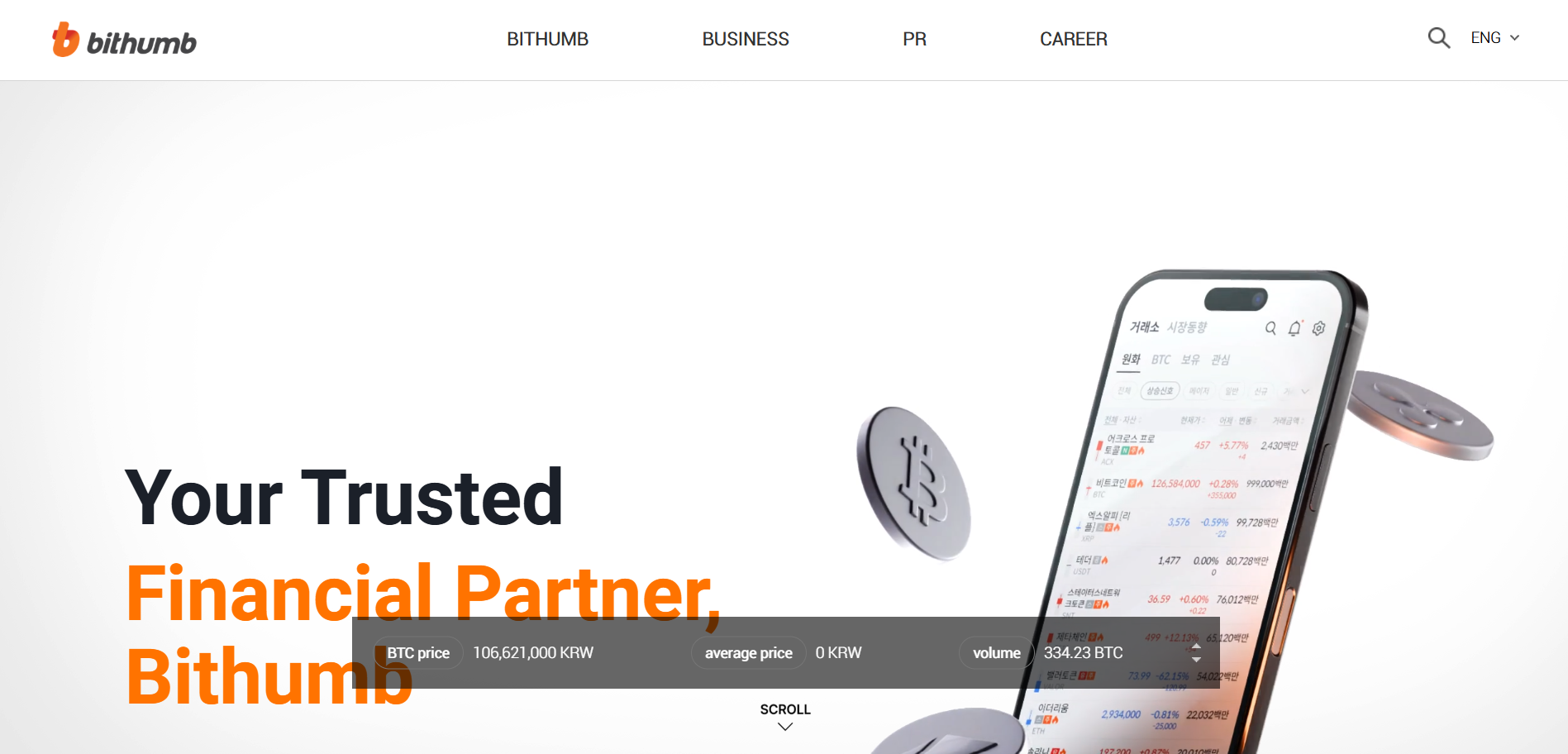
The Bithumb MOU targets practical integration of USDC and broader stablecoin support. The two parties will collaborate on digital asset infrastructure, multichain capabilities across the Bithumb platform, and enhanced stablecoin technology and support services.
These efforts are expected to improve liquidity, cross-chain transfers, and institutional-grade solutions for Korean users and businesses.
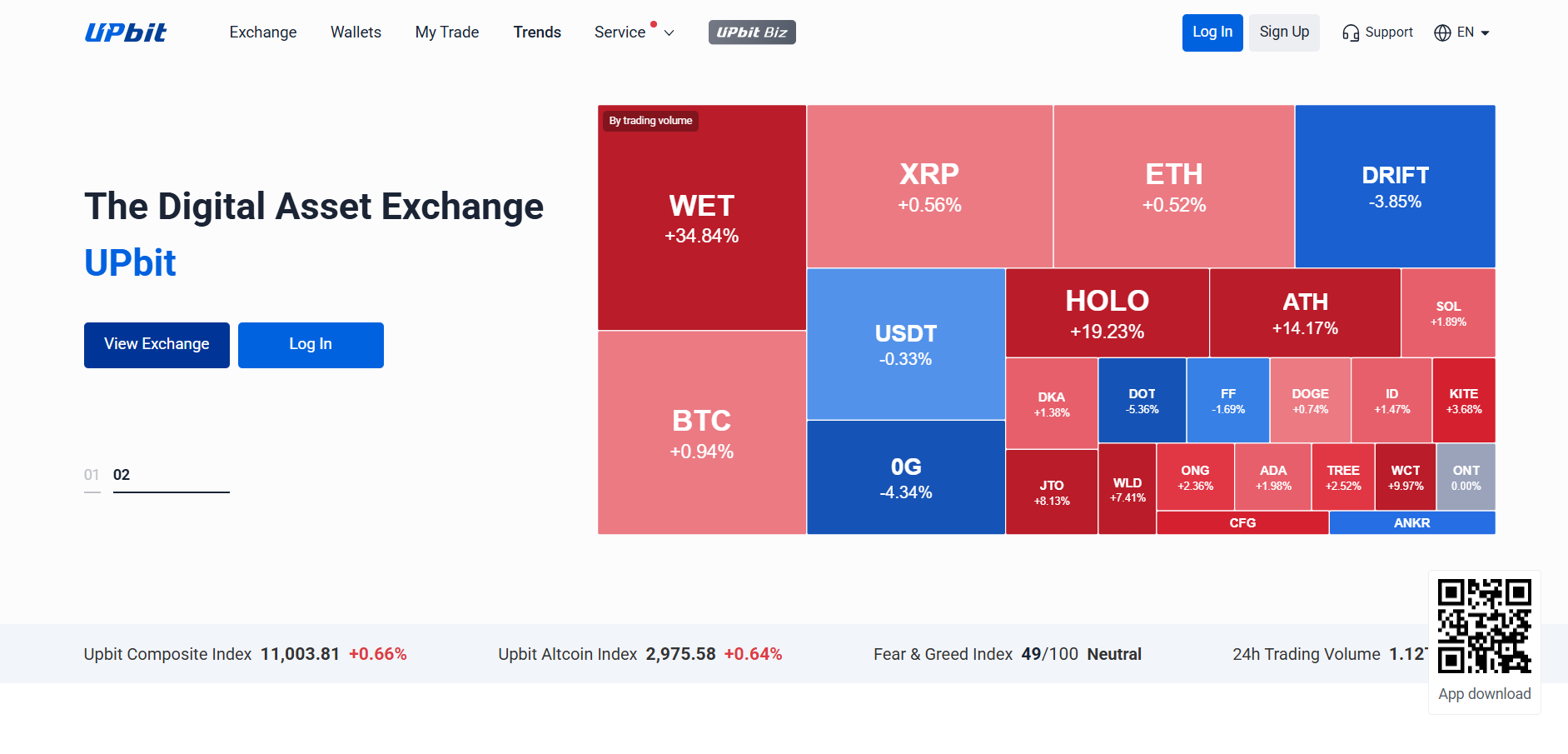
Separately, Dunamu and Circle agreed to work together on digital asset ecosystem development, educational programs, and stablecoin initiatives. The partnership aims to foster innovation, promote regulatory-aligned growth, and expand stablecoin adoption within Upbit’s extensive user base.
South Korea remains one of the world’s top cryptocurrency trading hubs, with high retail and institutional participation.
Stablecoins like USDC play a critical role in providing dollar-pegged stability amid local market volatility and regulatory scrutiny. Industry observers view these MOUs as a step toward deeper on-ramp and off-ramp integration between traditional finance and digital assets in the region.
These strategic alliances mark a significant milestone for Circle’s Asia-Pacific expansion and could accelerate mainstream stablecoin adoption in one of the most sophisticated digital-asset economies.
Conclusion
Circle’s MOUs with Bithumb and Dunamu signal growing confidence in South Korea’s crypto sector.
By combining global stablecoin expertise with local exchange infrastructure, the partnerships lay groundwork for more integrated digital finance solutions.
With Jeremy Allaire’s direct involvement and the spotlight on a potential KRW stablecoin, today’s developments could reshape cross-border payments, trading efficiency, and broader blockchain adoption in the region.
Read Next:
- AllUnity Launches EURAU Stablecoin on Stellar Network
- USDi: Inflation-Linked Stablecoin
- Rise Stablecoin Payroll Review 2026
FAQs:
1. What partnerships did Circle announce in South Korea today?
Circle signed MOUs with Bithumb for digital asset infrastructure, multichain support, and stablecoin technology, and with Dunamu (Upbit operator) for ecosystem development, education, and stablecoin initiatives.
2. Why is Jeremy Allaire in Seoul?
The Circle CEO traveled to South Korea to personally oversee the MOU signings with Bithumb and Dunamu and to advance discussions on stablecoin technology and market integration.
3. What did Circle’s CEO say about a Korean won stablecoin?
Jeremy Allaire stated that a Korean won-backed stablecoin is “essential” for global competitiveness. Circle will provide the infrastructure but will not issue the stablecoin itself.
4. How will these MOUs benefit Bithumb and Upbit users?
The agreements aim to improve multichain capabilities, stablecoin support, liquidity, and educational resources, making digital asset trading and transfers more efficient and accessible.
5. What is the significance of Circle’s expansion in South Korea?
The partnerships strengthen USDC’s role in one of the world’s largest crypto markets, support regulatory-compliant innovation, and pave the way for future won-denominated stablecoin solutions.
Disclaimer:
This content is provided for informational and educational purposes only and does not constitute financial, investment, legal, or tax advice; no material herein should be interpreted as a recommendation, endorsement, or solicitation to buy or sell any financial instrument, and readers should conduct their own independent research or consult a qualified professional.