
Table of Contents
XDC Tech, the US-based institutional arm of XDC Network, has integrated Bridge, the Stripe-owned stablecoin infrastructure platform, to enable near-real-time stablecoin settlement and fiat on and off ramps directly within XDC's trade finance ecosystem.
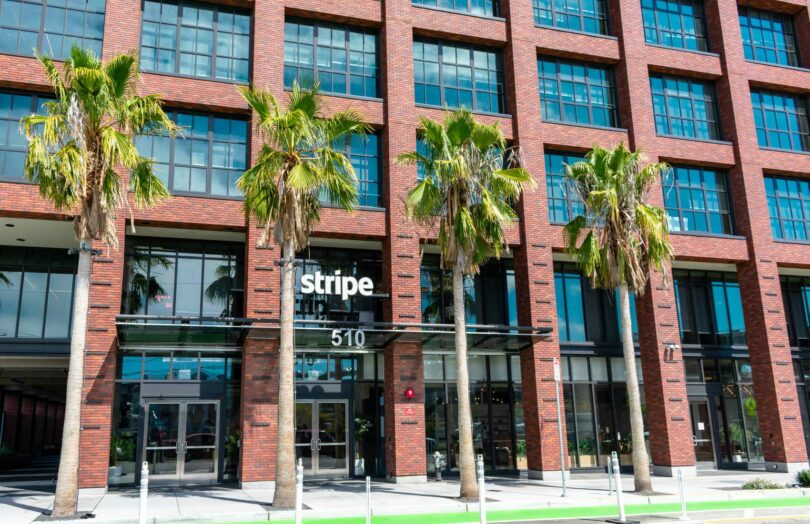
Bridge was acquired by Stripe for $1.1 billion in February 2025 and holds regulatory licenses across the US, EU, and Latin America, making it one of the most credentialed stablecoin infrastructure platforms in the world.
As covered in our Bridge 2026 review, Bridge is the end-to-end stablecoin infrastructure layer that lets any business receive, store, convert, issue, and spend stablecoins without building the underlying compliance or blockchain integration from scratch.
The integration also targets autonomous AI agent payments as a primary use case, positioning XDC as a settlement layer for machine-to-machine commerce at a time when stablecoin agentic payment infrastructure is one of the fastest-growing segments in the market.
Key Takeaways
- XDC Tech has integrated Bridge's full stablecoin infrastructure stack, giving developers building on XDC direct access to fiat on and off ramps, virtual accounts, and multi-currency custody without having to build the compliance layer themselves, with settlement settling in near real time at approximately two seconds and under one hundredth of a cent per transaction.
- Bridge's US, EU, and Latin America regulatory licenses mean XDC's trade finance network now operates inside a regulated payment system, enabling exporters and importers to settle invoices in stablecoins such as USDC instead of waiting days for wire transfers, and allowing tokenized asset issuers to accept investor buy-ins and process cash-outs in regular currency through the same infrastructure.
- Individual AI agents can be assigned their own IBAN or ACH endpoints tied to stablecoin settlement on XDC through the integration, with multi-currency custody for holding USD, EUR, and stablecoin balances simultaneously, and XDC's ISO 20022 alignment enabling agent-initiated payments to carry structured messaging compatible with SWIFT, SEPA, and FedNow.

What the Integration Does
Businesses building on XDC can now accept dollars, euros, and other fiat currencies through Bridge's virtual accounts and settle in stablecoins on XDC in near real time. The integration bypasses correspondent banks and multi-day clearing. That capability is already in use in XDC's trade finance network, where exporters and importers settle invoices in stablecoins instead of waiting on wire transfers.
Bridge handles all regulatory, compliance, and technical complexity on the infrastructure side. Developers building on XDC do not need to replicate KYC, KYB, sanctions screening, or regulated custody. Those layers come included through the Bridge integration.
The Trade Finance Use Case
XDC Network has crossed $1 billion in tokenized real-world asset value, with RWAs making up approximately 71.5% of on-chain composition by late June 2026. Credit assets including corporate bonds and trade receivables account for approximately $860 million of that total.
The Bridge integration connects that existing tokenized trade finance infrastructure to regulated fiat rails for the first time at this scale.
As covered in our stablecoin payment rails 2026 guide, the core commercial case for stablecoin settlement in trade finance is straightforward: a payment that used to take two to three business days now settles in seconds.
Bridge's compliance infrastructure extending into XDC's trade finance layer removes the single largest barrier for banks and fintechs evaluating whether to build on XDC's network.
The Agentic AI Framing
XDC describes the Bridge integration as a foundational piece of its roadmap to become a settlement layer for autonomous AI agents. The case rests on speed and compliance access. AI agents cannot operate on a correspondent banking timeline of two to three business days.
XDC cites two-second transaction finality at under one hundredth of a cent per transaction as the technical basis for supporting high-volume agent-initiated payment flows.
Bridge's licenses across the US, EU, and Latin America give XDC-based agents compliant access to fiat rails without separate banking partnerships or jurisdiction-by-jurisdiction buildout. XDC says this shortens go-to-market timelines for agentic products from years to weeks.
As covered in our agentic payments and stablecoins guide, AI agents cannot satisfy the identity verification requirements of traditional payment rails, making stablecoin infrastructure the only viable payment layer for autonomous machine-to-machine commerce at scale.
What the Quotes Say
XDC Network Co-Founder Atul Khekade said
"every layer of finance is being rebuilt for a world where software, not just people, initiates the payment"
and that the partnership
"gives our ecosystem stablecoin infrastructure that already meets that bar."
Mai Leduc Blount, Head of Product at Bridge, said
"the networks that end up mattering most for stablecoin settlement will be the ones built for speed and finality from day one"
and that
"XDC's infrastructure is exactly the kind of foundation this space needs as stablecoin volumes keep climbing."
Both quotes are confirmed word-for-word from the official announcement.
Conclusion
The XDC and Bridge integration is a compliance and infrastructure deal as much as it is a technology integration.
XDC brings a $1 billion-plus tokenized RWA network and two-second settlement finality. Bridge brings regulatory licenses across three major jurisdictions, fiat on and off ramp infrastructure, and the Stripe distribution backstop.
For businesses and developers already building trade finance products on XDC, the most immediate commercial change is that wire transfer timelines become stablecoin settlement timelines.
For the agentic AI payments segment, the assignment of individual IBAN and ACH endpoints to AI agents on XDC creates production-ready infrastructure for machine-to-machine commerce that very few other L1 networks can currently provide.
For context on where Know Your Agent compliance infrastructure fits into this picture, see our KYA guide.
FAQ:
1. What did XDC Network integrate with Bridge for?
XDC Network integrated with Bridge to give developers building on XDC direct access to fiat on and off ramps, virtual accounts, multi-currency custody, and near-real-time stablecoin settlement without building the compliance infrastructure themselves.
2. Who owns Bridge and what does it do?
Bridge is owned by Stripe, which acquired it for $1.1 billion in February 2025, and it provides end-to-end stablecoin infrastructure including fiat rails, virtual accounts, and regulated custody across the US, EU, and Latin America through a single API.
3. How fast does stablecoin settlement work on XDC Network?
Stablecoin settlement on XDC Network reaches finality in approximately two seconds at fees under one hundredth of a cent per transaction, compared to two to three business days for traditional correspondent bank wire transfers.
4. What is the agentic AI payment use case for XDC and Bridge?
The agentic AI payment use case for XDC and Bridge is assigning individual AI agents their own IBAN or ACH endpoints tied to stablecoin settlement on XDC, enabling autonomous machine-to-machine payments with multi-currency custody and ISO 20022 messaging compatible with SWIFT, SEPA, and FedNow.
5. How much in tokenized RWAs does XDC Network hold?
XDC Network has crossed $1 billion in tokenized real-world asset value, with approximately 71.5% of on-chain composition in RWAs and approximately $860 million in credit assets including corporate bonds and trade receivables.
6. What licenses does Bridge hold for the XDC integration?
Bridge holds regulatory licenses across the US, EU, and Latin America, covering KYC, KYB, sanctions screening, and regulated custody, which extend to any application built through its integration with XDC Network.
Disclaimer:
This content is provided for informational and educational purposes only and does not constitute financial, investment, legal, or tax advice; no material herein should be interpreted as a recommendation, endorsement, or solicitation to buy or sell any financial instrument, and readers should conduct their own independent research or consult a qualified professional.