
Table of Contents
U.S. lawmakers have scheduled Senate hearings for January 2026 to address longstanding ambiguities in cryptocurrency regulation.
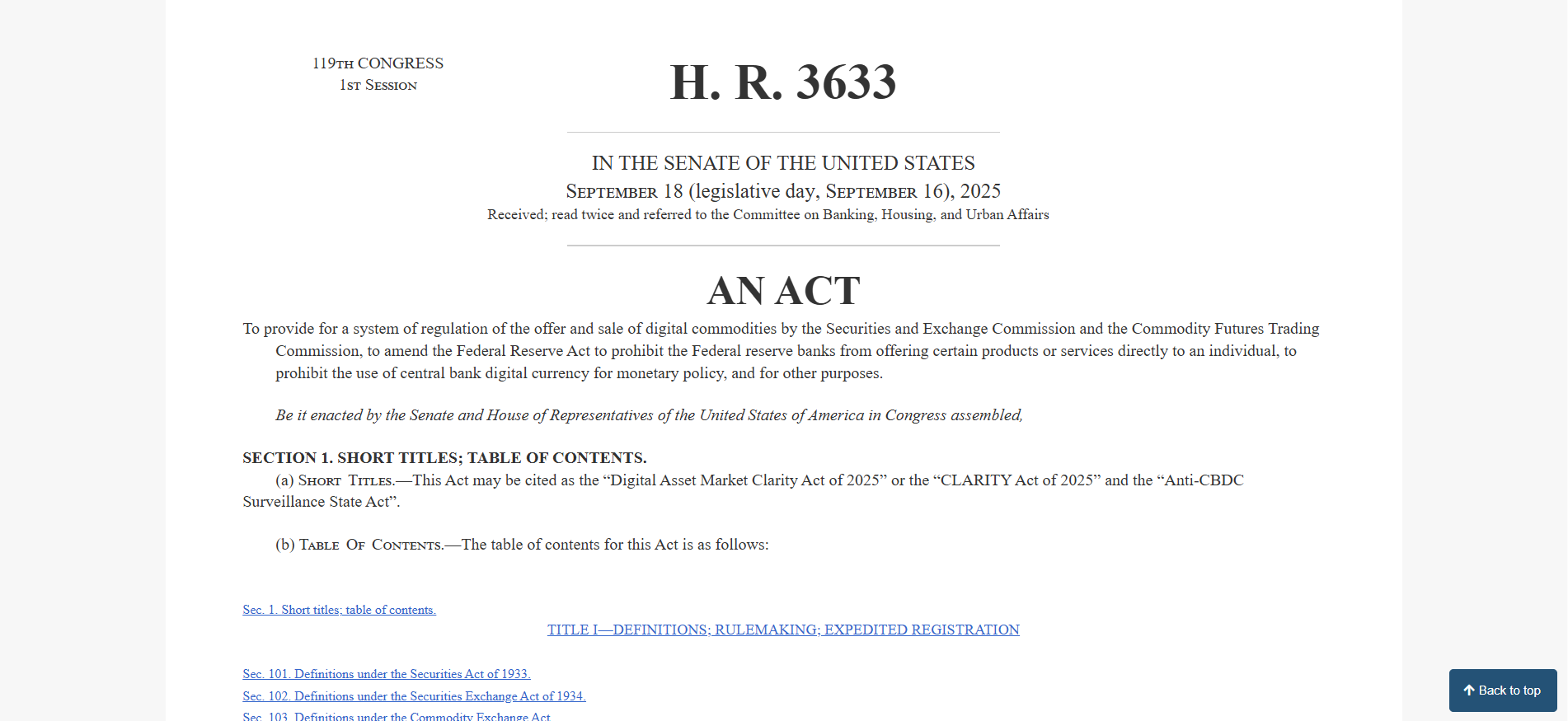
The sessions will focus on the Digital Asset Market Clarity Act (CLARITY Act), which aims to delineate jurisdiction between the Securities and Exchange Commission (SEC) and the Commodity Futures Trading Commission (CFTC) for digital assets.
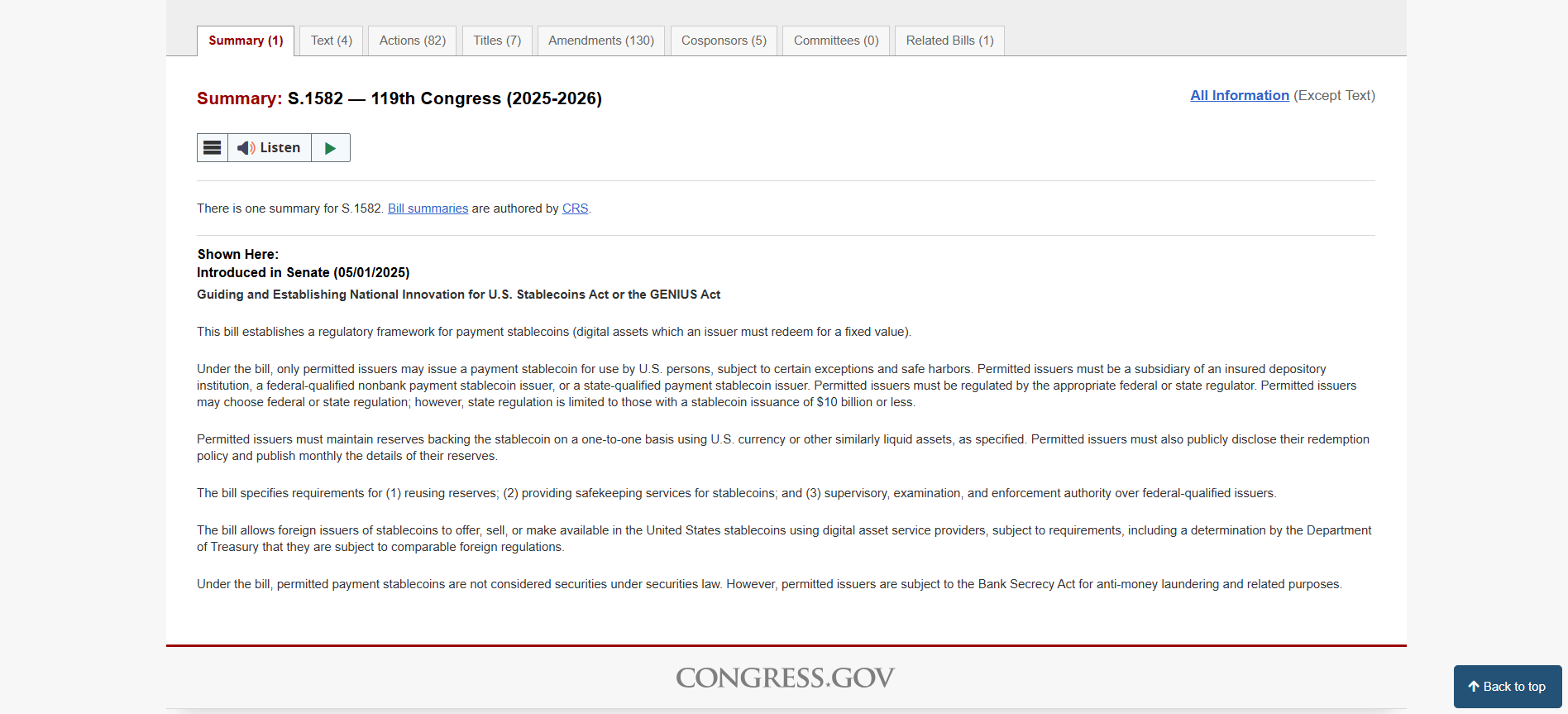
Concurrently, discussions will cover implementation of stablecoin guidelines under the Guiding and Establishing National Innovation for U.S. Stablecoins Act (GENIUS Act), signed into law in July 2025.
These hearings represent a pivotal step toward providing regulatory certainty for tokens, exchanges, issuers, and decentralized finance (DeFi) protocols, potentially reducing enforcement actions and fostering market growth.
Key Takeaways
- Clarify SEC CFTC crypto jurisdiction hearings January 2026 to resolve token classification ambiguities.
- Implement GENIUS Act stablecoin rules requiring 100% reserves and AML compliance for issuers.
- Advance CLARITY Act Senate markups mid-January for commodity spot market oversight by CFTC.
- Boost compliant stablecoin projects and DeFi protocols through regulatory certainty and innovation exemptions.
- Monitor market volatility during deliberations amid potential government shutdown risks by January end.
White House crypto adviser David Sacks confirmed the timeline in December 2025, noting that Senate markups could advance the CLARITY Act, resolving jurisdictional disputes and classifying assets like Bitcoin and Ethereum as commodities under CFTC oversight.
The GENIUS Act's rollout, mandating 100% reserve backing for dollar-pegged stablecoins, will also be scrutinized to ensure compliance pathways for issuers.
This comes amid a shift from regulation-by-enforcement under prior administrations to legislative frameworks, driven by bipartisan support and industry advocacy.
Background on U.S. Crypto Regulation
Cryptocurrency regulation in the U.S. has evolved from fragmented oversight to targeted legislation. Historically, the SEC has treated many tokens as securities, leading to lawsuits against platforms like Coinbase and Binance for unregistered offerings. The CFTC, meanwhile, regulates commodities like Bitcoin futures, creating overlaps and uncertainties that stifle innovation.
The 2022 TerraUSD collapse highlighted stablecoin risks, prompting calls for federal rules to prevent systemic threats.
In 2025, progress accelerated. The GENIUS Act established the first federal stablecoin framework, requiring issuers to hold liquid reserves like U.S. dollars or short-term Treasuries, implement anti-money laundering (AML) programs, and disclose reserves monthly. It allows both federal (via the Office of the Comptroller of the Currency) and state pathways for issuers with under $10 billion in circulation, preempting inconsistent state laws.
The CLARITY Act, passed by the House in July 2025 with a 294-134 vote, assigns CFTC authority over digital commodity spot markets while preserving SEC jurisdiction for investment contracts. This bill stalled in the Senate until recent commitments for January action.
SEC Chair Paul Atkins, appointed in 2025, has pledged an "innovation exemption" for startups, allowing product testing under relaxed rules while upholding consumer protections.
These developments align with President Trump's executive order to position the U.S. as a digital asset leader, contrasting with prior regulatory hostility.
Details of the January Hearings
The Senate Banking and Agriculture Committees will convene markups around mid-January, potentially January 15, to refine the CLARITY Act.
Key topics include classifying tokens as securities or commodities, regulating DeFi protocols, and integrating stablecoin rules with the GENIUS Act. Hearings will involve testimony from regulators, industry executives, and experts to address custody, capital requirements, and AML compliance.
For stablecoins, regulators must finalize licensing and reserve standards by mid-2026 under the GENIUS Act. The Stablecoin Certification Review Committee, chaired by the Treasury Secretary, will evaluate state regimes for alignment with federal standards. Discussions may extend to tokenized assets and central bank digital currencies (CBDCs), though the primary focus remains on market structure.
Industry groups like the Blockchain Association anticipate enforceable rules from the SEC and CFTC, with potential tax adjustments to support innovation. X posts from crypto commentators highlight optimism, with Sacks emphasizing proximity to passage.
Potential Impacts on the Crypto Ecosystem
Passage of the CLARITY Act could unlock institutional adoption by clarifying rules for exchanges and issuers, reducing litigation risks.
Compliant stablecoin projects, such as those backed by banks, stand to gain from GENIUS Act implementation, enabling integration into traditional finance. DeFi protocols may benefit from tailored oversight, promoting efficiency in payments and remittances.
However, deliberations could trigger short-term market volatility, as seen in past regulatory announcements.
A potential government shutdown by January 31 poses risks, potentially delaying progress and causing price dips. Long-term, clear guidelines could attract capital, positioning the U.S. ahead of regions like the EU's MiCA framework.

Conclusion
Prioritize monitoring Senate proceedings in mid-January for actionable regulatory shifts; compliant entities should prepare for GENIUS Act audits while tracking CLARITY Act amendments to capitalize on emerging opportunities.
Read Next:
- Best Cross-Chain Stablecoin Bridges for 2026
- Best Stablecoins for Cross-Border Payments in 2025
- The Role of Stablecoins in Monetary Policy Transmission
FAQs:
1. What is the CLARITY Act in crypto regulation?
The CLARITY Act defines SEC and CFTC roles in overseeing digital assets, classifying tokens like Bitcoin as commodities.
2. How does GENIUS Act impact stablecoin issuers?
GENIUS Act mandates 1:1 reserves, monthly disclosures, and federal/state licensing for dollar-pegged stablecoins.
3. When are January 2026 crypto hearings scheduled?
Senate Banking and Agriculture Committees plan markups around January 15 for CLARITY Act refinements.
4. What benefits do exchanges gain from these rules?
Exchanges could see reduced enforcement risks and clearer compliance paths, enabling institutional flows.
5. How might volatility affect crypto markets during hearings?
Deliberations may cause short-term price swings, especially if tied to budget deadlines.
Disclaimer:
This content is provided for informational and educational purposes only and does not constitute financial, investment, legal, or tax advice; no material herein should be interpreted as a recommendation, endorsement, or solicitation to buy or sell any financial instrument, and readers should conduct their own independent research or consult a qualified professional.