
Table of Contents
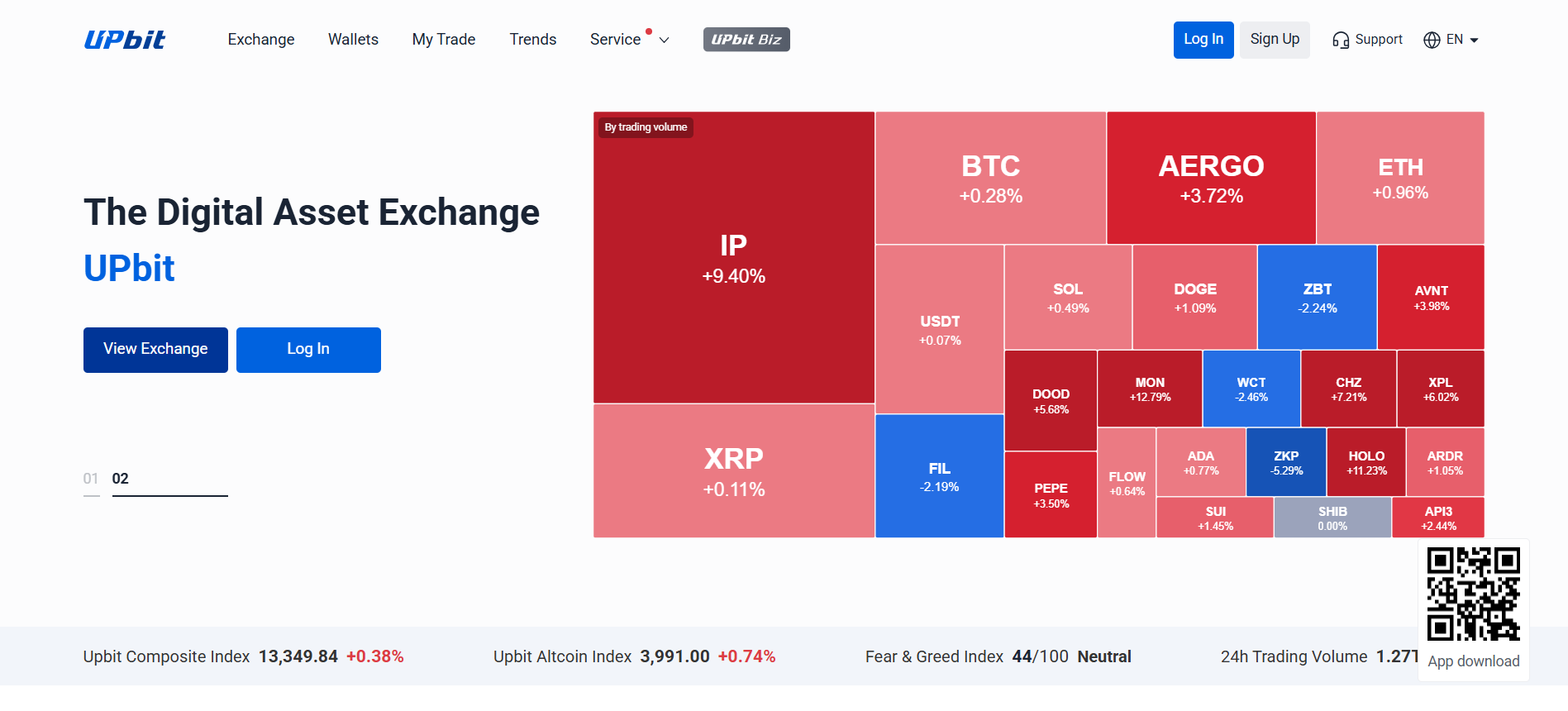
South Korea's largest cryptocurrency exchange, Upbit, has introduced trading pairs for Tether Gold (XAUT) against the Korean Won (KRW), Bitcoin (BTC), and Tether's USDT stablecoin, effective January 1, 2026.
The listing, announced on December 31, 2025, allows users to trade XAUT directly on the platform, marking a step toward mainstream adoption of gold-backed digital assets in one of Asia's most active crypto markets.
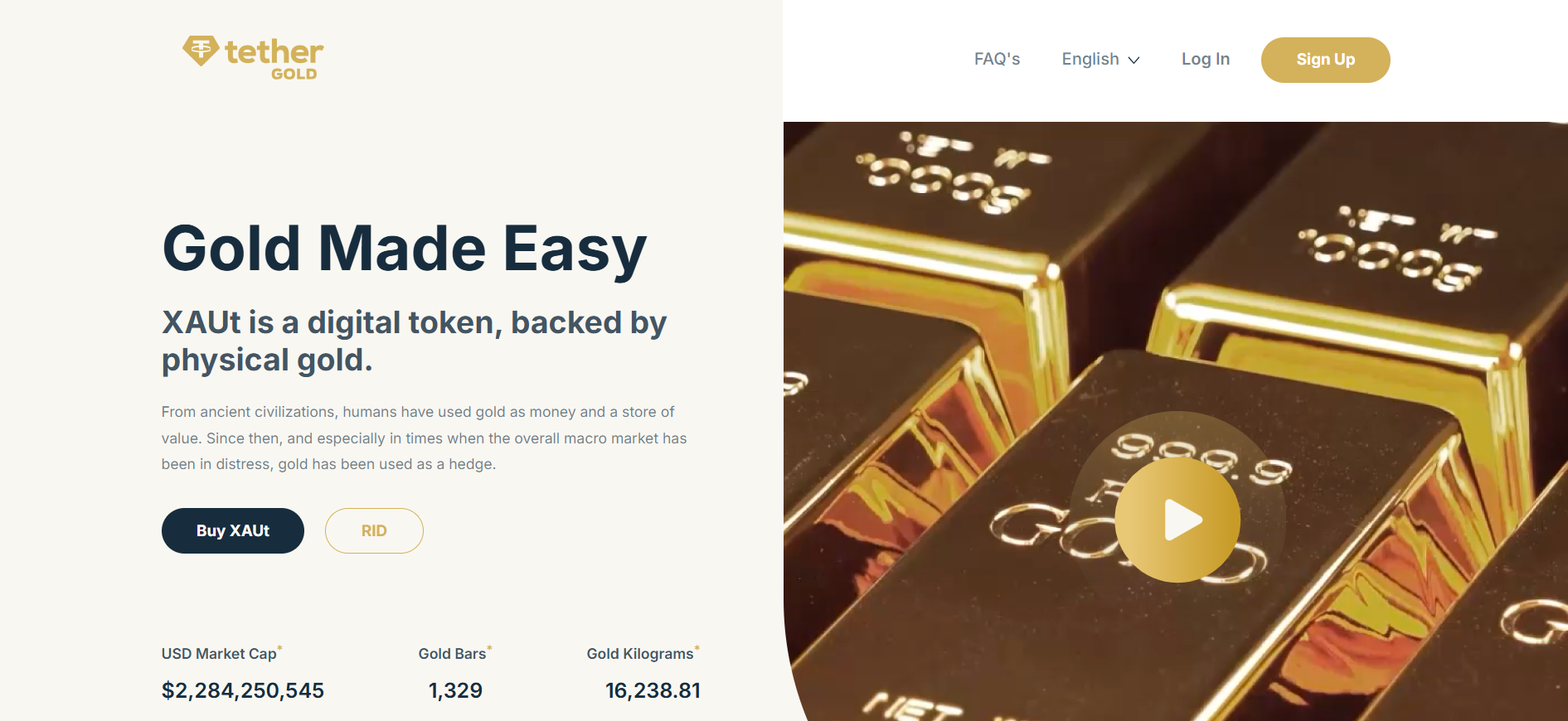
XAUT, issued by Tether, represents one troy ounce of physical gold stored in Swiss vaults, providing a blockchain-based alternative to traditional gold investments.
Upbit's addition of XAUT follows similar listings on other exchanges, such as Bithumb, which also added XAUT/KRW pairs around the same time.
As of January 2, 2026, XAUT trades at approximately $4,335 per token, reflecting current gold spot prices.
Key Takeaways
- Upbit lists XAUT pairs vs KRW, BTC, USDT starting Jan 1, 2026, enabling gold-backed trading.
- XAUT backed 1:1 by LBMA gold bars in Swiss vaults, holding 11.6 tons by Q3 2025.
- Deposits open Dec 31, 2025; trading at 15:30 KST with standard fees and KYC required.
- Boosts RWA adoption in South Korea's $50B crypto market amid regulatory compliance.
- Enhances liquidity for XAUT's $1.2B market cap, hedging against volatility.
Background on Upbit and Tether Gold
Upbit, operated by Dunamu Inc., is South Korea's dominant crypto exchange by trading volume, handling over 80% of the country's digital asset trades as of late 2025.
Launched in 2017, it supports more than 200 cryptocurrencies and is regulated under South Korea's Financial Services Commission, requiring strict compliance with anti-money laundering (AML) and know-your-customer (KYC) protocols.
The platform's user base exceeds 8 million, driven by South Korea's high crypto adoption rate, where over 10% of the population engages in digital asset trading.
Tether Gold (XAUT), launched in January 2020, is a tokenized asset backed 1:1 by physical gold bars meeting the London Bullion Market Association (LBMA) Good Delivery standard. Each XAUT token entitles holders to redeem for one troy ounce of gold, with reserves audited quarterly by independent firms.
By Q3 2025, Tether held 11.6 metric tons of gold in Swiss vaults, valued at several billion dollars, ensuring overcollateralization. XAUT operates on multiple blockchains, including Ethereum and TRON, with a total supply capped by physical reserves.
Tether, the issuer behind USDT, the world's largest stablecoin with over $180 billion in circulation, has expanded into RWAs to diversify its portfolio.
This includes compliance with regulations like the EU's Markets in Crypto-Assets (MiCA) and the U.S. GENIUS Act, enhancing institutional appeal.
XAUT's market cap stands at around $1.2 billion as of early 2026, with 24-hour trading volumes averaging $44 million across global exchanges.
Details of the Listing
Upbit's official notice on December 31, 2025, detailed the XAUT listing process. Deposits for XAUT opened two hours after the announcement, with trading commencing at 15:30 KST (06:30 UTC) on January 1, 2026.
The supported pairs are XAUT/KRW for fiat trading, XAUT/BTC for crypto-to-crypto exposure, and XAUT/USDT for stablecoin pairing.
Users must complete KYC verification to trade, and Upbit emphasized secure wallet transfers for deposits. Initial liquidity is provided through market makers, with fees aligned to Upbit's standard 0.05% maker and 0.25% taker rates for KRW pairs.
The listing coincides with Bithumb's XAUT/KRW addition on January 1 at 07:30 UTC, indicating coordinated efforts in South Korea's regulated environment.
This expansion builds on XAUT's prior integrations, such as on Crypto.com and Bybit in December 2025, where it became available for cashback and perpetual contracts. Upbit's security upgrades, including enhanced custody solutions, support the handling of tokenized assets like XAUT.
Market Context and Implications
South Korea's crypto market, valued at over $50 billion in daily volume, has seen increased focus on stable and asset-backed tokens amid regulatory tightening.
The Virtual Asset User Protection Act of 2024 mandates full reserve backing for listed assets, aligning with XAUT's transparent audits. This listing reflects a broader "hard asset pivot" in 2026, where investors seek hedges against inflation and crypto volatility.
For Tether, the Upbit listing expands XAUT's accessibility in Asia, where gold demand is high, South Korea imports over 100 tons annually.
It could drive institutional inflows, as seen with recent whale accumulations of $30 million in XAUT during October 2025.
Market analysts project improved liquidity, with XAUT's turnover potentially rising from 0.09% to levels comparable to physical gold ETFs (0.3-0.5%).
Implications include bridging traditional finance and DeFi, enabling on-chain gold exposure for Korean users. However, risks involve gold price fluctuations and regulatory scrutiny on cross-border redemptions. Overall, this supports RWA growth, potentially accelerating projects like Theo Network's gold-linked tokens.
Conclusion
Upbit's XAUT listing tactically merges gold stability with crypto liquidity, advancing RWA integration; verify independently before trading.
Read Next:
- Best Cross-Chain Stablecoin Bridges for 2026
- Best Stablecoins for Cross-Border Payments in 2025
- The Role of Stablecoins in Monetary Policy Transmission
FAQs:
1. What is XAUT?
Tether's Gold token representing 1 troy ounce physical gold, redeemable 1:1 via audits.
2. When does trading start on Upbit?
January 1, 2026, at 15:30 KST for KRW, BTC, USDT pairs.
3. How is XAUT backed?
By 11.6 tons LBMA-standard gold in Swiss vaults, overcollateralized.
4. What regulations apply?
Complies with South Korea's Virtual Asset Act and EU MiCA for transparency.
5. How does this impact the market?
Increases gold access in crypto, drives institutional interest in RWAs.
Disclaimer:
This content is provided for informational and educational purposes only and does not constitute financial, investment, legal, or tax advice; no material herein should be interpreted as a recommendation, endorsement, or solicitation to buy or sell any financial instrument, and readers should conduct their own independent research or consult a qualified professional.