
Table of Contents
Stablecoins have become vital components in the realm of decentralized finance (DeFi). They deliver the reliability needed for routine transactions and financial operations on blockchain networks.
Fern stands out as a prominent initiative transforming stablecoin operations via decentralized systems and a priority on developers.
This analysis provides an in-depth examination of Fern, an organization dedicated to delivering safe, compatible, and non-custodial stablecoin options for Web3 and DeFi platforms.
Key Takeaways:
- Fern is developing decentralized stablecoin frameworks to bolster DeFi platforms.
- The initiative emphasizes non-custodial, overcollateralized stablecoins.
- Fern operates across multiple chains and seeks to enhance compatibility.
- The firm supplies resources for developers to incorporate stablecoins effortlessly. This review explores Fern's objectives, design, economic model, applications, advantages and drawbacks, and prospective developments.
What Is Fern?
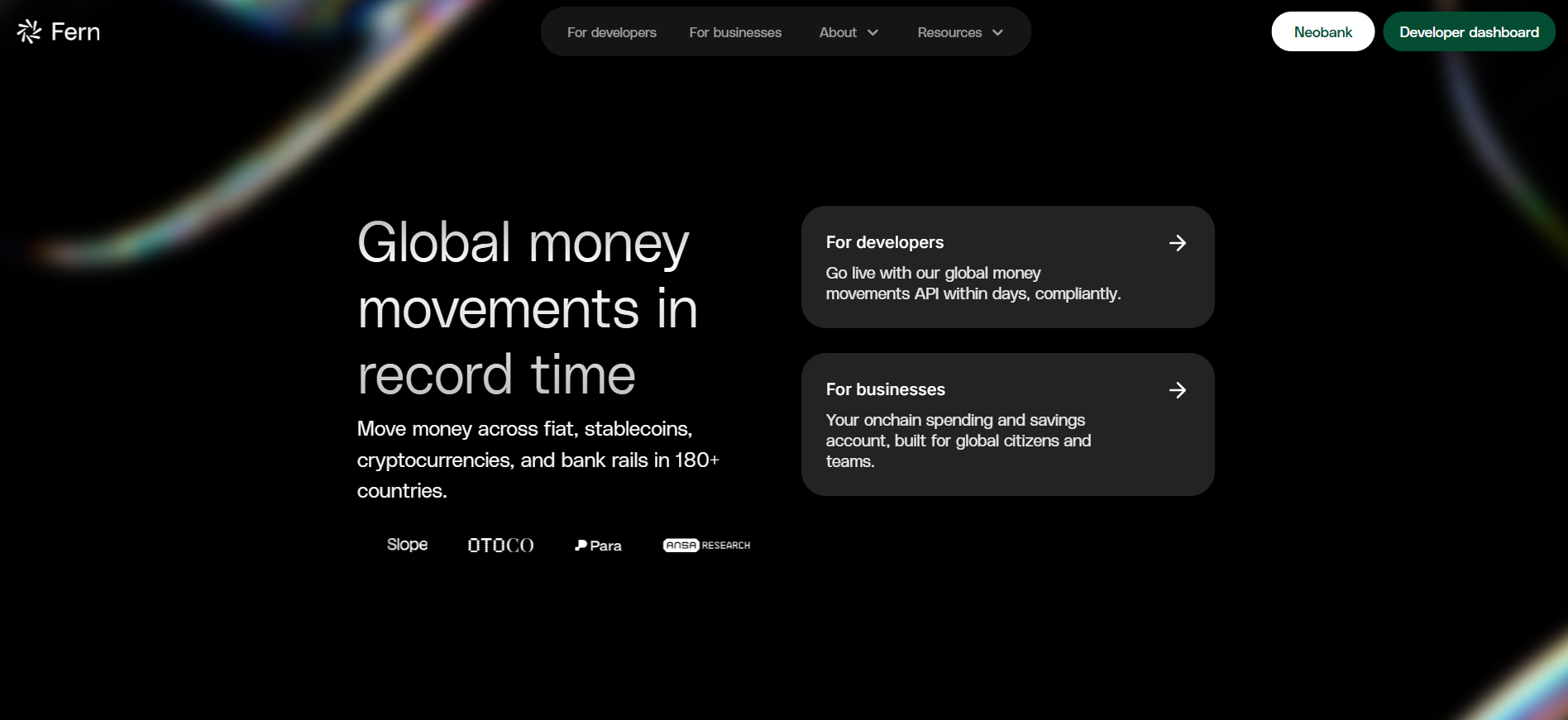
Fern serves as a decentralized platform provider specializing in stablecoin creation and oversight. The initiative began with the goal of broadening access to reliable digital currencies by eliminating dependence on central authorities. It stands out by supplying resources that enable developers and systems to introduce and handle their own stablecoins.
Vision and Background
Fern's goal is to render decentralized stablecoins reachable, expandable, and protected. The founding group possesses expertise in blockchain creation, financial services, and cybersecurity.
From its start, Fern has quickly advanced to emerge as a notable entity in the decentralized stablecoin sector.
Key Milestones
- Introduction of testnet and initial developer resources
- Collaborations with cross-chain DeFi systems
- Implementation of overcollateralized stablecoin framework
How Fern Works
Fern's design is crafted to guarantee openness, protection, and complete decentralization. Fundamentally, Fern employs smart contracts to oversee the creation and exchange of stablecoins. The setup is neutral to specific chains, allowing it to operate on diverse blockchain ecosystems.
Core Architecture
Fern depends on a collection of smart contracts that streamline the procedures for creating and securing assets. These contracts are publicly available and subject to thorough external reviews.
Overcollateralization Mechanism
To maintain steadiness and reduce threats, Fern mandates that users provide collateral exceeding the borrowed amount. For instance, generating $100 in stablecoin value could necessitate $150 in collateral, based on market dynamics and asset category.
Interoperability Features
Fern accommodates chains compatible with the Ethereum Virtual Machine (EVM) and intends to broaden to additional networks such as Cosmos and Solana.
This cross-chain strategy renders Fern extremely adaptable and prepared for upcoming advancements.
Fern’s Stablecoin Model
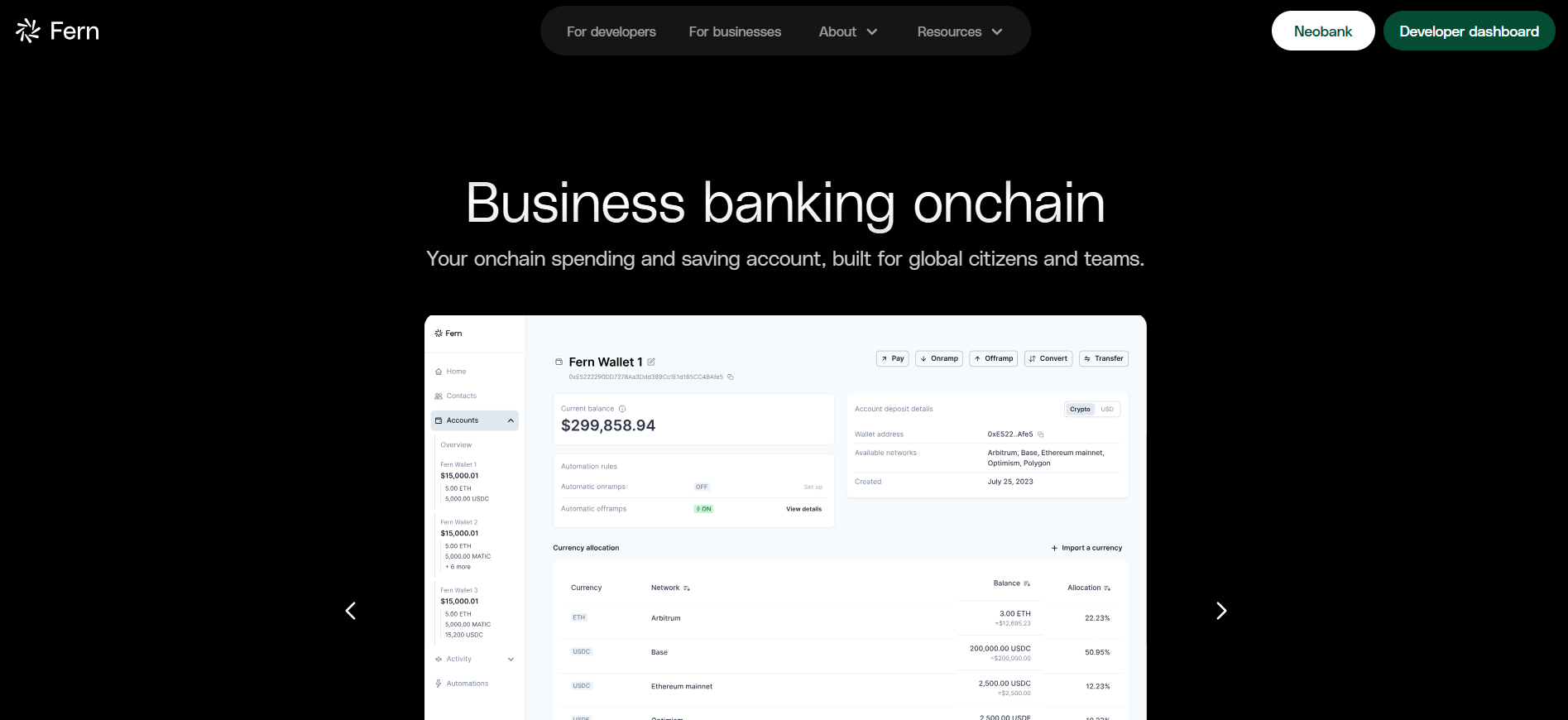
Central to Fern’s environment is its distinctive stablecoin framework. Fern produces entirely supported, overcollateralized stablecoins that stress non-reliance on trust and clarity. These currencies can be exchanged anytime and are regulated by clear guidelines embedded in smart contracts.
Minting and Redemption
Participants secure eligible collateral items to create stablecoins. Exchanging them back entails destroying the stablecoins and releasing the associated collateral.
Supported Collateral Types
Fern permits multiple collateral forms, such as ETH, wrapped BTC, and certain stablecoins.
Every collateral must adhere to rigorous standards and risk guidelines.
Risk Management
To address potential threats, Fern utilizes:
- Liquidation systems to dispose of insufficiently collateralized holdings
- Routine evaluations and connections to oracles for live pricing data
Use Cases for Fern
Fern’s framework unlocks opportunities for numerous financial uses. From decentralized trading platforms to asset management, Fern supplies the essential resources for stable digital systems. Its emphasis on adaptability and safety renders it appropriate for developers and organizations alike.
Key Use Cases
- DeFi systems: Employ Fern's stablecoins for loans, borrowings, and liquidity supply
- DAOs: Handle funds with clear, decentralized stable resources
- International transfers: Transmit consistent value between chains sans central overseers
Tokenomics & Governance
Fern functions with an inherent utility token that directs and safeguards the network. This token is crucial for motivating contributors and enabling distributed decision-making. It also assists in harmonizing community goals with the system's expansion.
Token Utility
The Fern token serves for:
- Participating in votes on governance suggestions
- Staking to protect the system
- Covering system charges
Governance Model
Fern adopts a DAO-oriented governance structure where token owners can suggest and decide on modifications. This participatory approach ensures that choices reflect the wider community's views.
Developer Ecosystem
Fern is designed with developers at the forefront. The organization provides a range of instruments and materials that ease the incorporation of stablecoin systems into DeFi apps.
This community-focused strategy promotes creativity and boosts usage.
Developer Tools
- SDKs and APIs for quick incorporation
- Accessible guides and instructional content
- Testing grounds for experimentation
Ecosystem Growth
Fern aids emerging creators via coding events, funding opportunities, and group assistance. Initial connections encompass alliances with decentralized trading venues and digital wallet services.
Advantages and Disadvantages
Similar to other initiatives, Fern has its own benefits and limitations. It shines in decentralization and developer usability, yet it encounters issues typical of nascent DeFi systems.
Pros
- Completely decentralized and clear
- Robust support for multiple chains
- User-friendly setup for developers
Cons
- Reduced acceptance among users relative to centralized stablecoins
- Intricacy for those without technical skills
- Susceptibility to smart contract vulnerabilities (as with all DeFi endeavors)
Fern vs Other Stablecoin Projects
The stablecoin arena is highly contested, and Fern situates itself against major players like MakerDAO, Liquity, and Frax. Fern distinguishes itself through its emphasis on inter-chain functionalities and modular design.
Comparative Analysis
- Fern vs MakerDAO: Fern provides inter-chain compatibility right away, contrasting Maker’s primary focus on Ethereum.
- Fern vs Frax: Fern applies complete overcollateralization, whereas Frax uses a partially algorithmic reserve.
- Fern vs Liquity: Both rely on overcollateralization, but Fern delivers more adaptable tools for developers.
Future Roadmap and Outlook
Fern possesses a bold plan that encompasses fresh launches, key alliances, and community expansion. With rising DeFi acceptance, Fern is set to emerge as a pivotal element in stablecoin systems.
What’s Next for Fern
- Incorporation with Cosmos and chains outside EVM
- Introduction of governance DAO and voting interface
- Growth of developer funding and support for ecosystem applications
The prospects for Fern appear bright, particularly as participants and creators seek greater decentralized and transparent options over centralized stablecoins.

Conclusion
Fern is addressing a key issue in DeFi, delivering reliable, decentralized monetary systems without sacrificing safety or versatility. Its priority on compatibility, developer resources, and decentralization establishes it as an innovative option for the Web3 landscape.
If you're a coder, financier, or DeFi aficionado, Fern presents an attractive offering. As the network develops, Fern might evolve into the foundation for decentralized finance apps.
Read Next:
- USX Stablecoin Review: Is Solstice Finance's Yield-Bearing Dollar the Future of Solana DeFi?
- BIITLAND Review 2025: Is susDE Stablecoin the Next Standard for Cross-Border Crypto Payments?
- How to Earn 10%+ APY on Stablecoins Using Trusted Protocols
- How to Efficiently Transfer Stablecoins Across Blockchains: Complete Guide for 2025
FAQs:
1. What makes Fern different from other stablecoin platforms?
Fern highlights complete decentralization, overcollateralization, and support across chains, distinguishing it from centralized or chain-specific alternatives.
2. Is Fern’s stablecoin live and available to use?
Fern has released preliminary editions of its stablecoin framework. The full launch timeline is available on its main website or discussion groups.
3. What chains does Fern support?
Fern is built to be independent of chains and presently backs EVM-suitable ones like Ethereum, Arbitrum, and Avalanche, with intentions for further growth.
4. Is Fern safe to use?
Although all DeFi setups involve certain hazards, Fern applies overcollateralization, contract reviews, and threat reduction methods to improve security.
5. How can developers integrate with Fern?
Developers may utilize Fern’s SDKs, APIs, and comprehensive guides through the official site. Funding initiatives and expert aid are offered for qualified endeavors.