Table of Contents
Abu Dhabi, UAE – February 12, 2026.
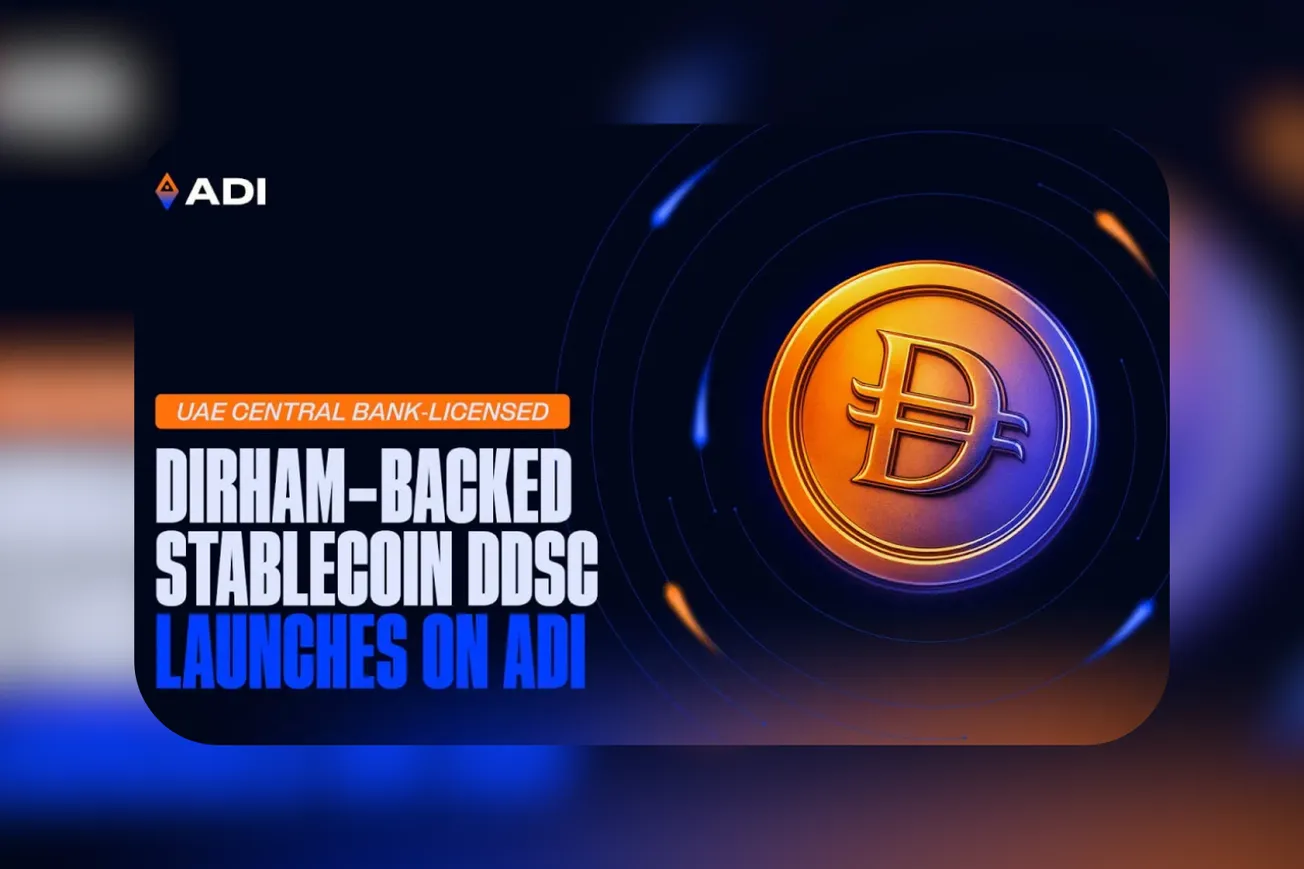
In a landmark move for the Middle East's digital finance landscape, the Central Bank of the UAE (CBUAE) has greenlit the launch of DDSC, the nation's inaugural stablecoin pegged 1:1 to the UAE Dirham (AED).
Developed collaboratively by International Holding Company (IHC), Sirius International Holding, and First Abu Dhabi Bank (FAB), DDSC operates exclusively on the ADI Chain, an institutional Layer-2 blockchain designed for compliance and scalability.
This innovation promises to revolutionize high-value transactions in payments, remittances, and trade finance, positioning the UAE as a global leader in regulated digital assets.
Key Takeaways
- Regulatory Milestone: CBUAE's approval makes DDSC the UAE's first fully regulated stablecoin, backed 1:1 by AED reserves for unshakeable stability.
- Tech Backbone: Hosted on ADI Chain, a compliance-focused Layer-2 blockchain, ensuring scalability for enterprise-grade applications.
- Strategic Partners: Joint venture by IHC, Sirius International Holding, and FAB leverages investment, fintech, and banking strengths.
- Core Use Cases: Targets payments, remittances, and trade finance, promising faster, cheaper transactions for businesses and individuals.
- Global Implications: Positions UAE as a pioneer in digital Dirham innovation, potentially influencing regional stablecoin adoption.
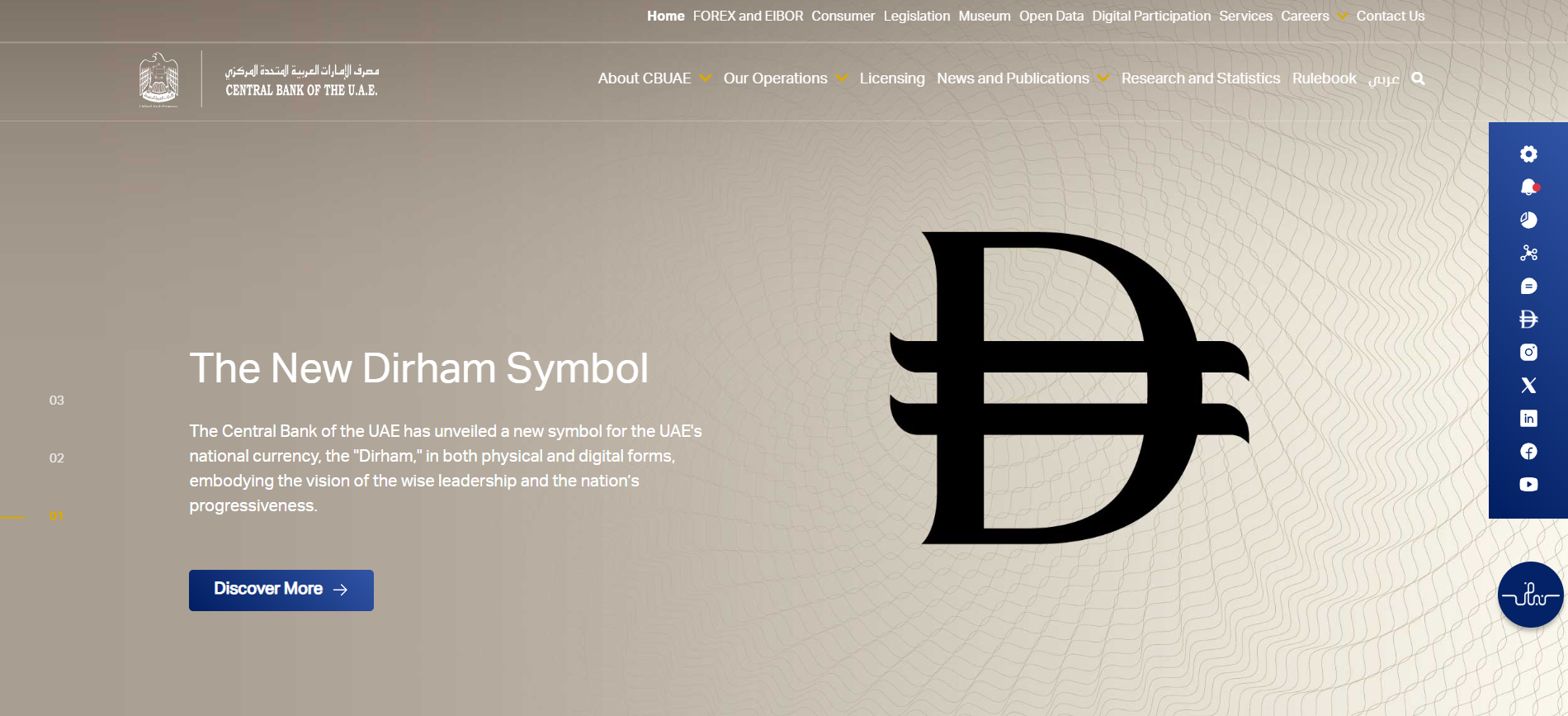
The approval marks a pivotal step in the UAE's ambitious digital economy strategy, blending traditional financial stability with blockchain efficiency.
As cryptocurrencies gain traction worldwide, DDSC's regulated framework addresses volatility concerns while enabling seamless cross-border operations.
"This launch underscores our commitment to fostering innovation within a robust regulatory environment," said a CBUAE spokesperson, highlighting the stablecoin's potential to enhance the UAE's role in international trade.
The Genesis of DDSC: A Collaborative Powerhouse
The DDSC project, first announced in April 2025 by IHC and FAB, has evolved through strategic partnerships.
- IHC, a diversified Abu Dhabi conglomerate with assets exceeding $50 billion, brings investment prowess.
- Sirius International Holding, a fintech innovator, contributes blockchain expertise.
- FAB, the UAE's largest bank, ensures banking-grade security and liquidity.
Together, they've created a stablecoin fully backed by AED reserves held in segregated accounts, audited quarterly for transparency.
At its core is ADI Chain, developed by the Abu Dhabi-based ADI Foundation. This Layer-2 solution builds on Ethereum's security but optimizes for institutional use, offering low-latency transactions and smart contract capabilities tailored for enterprises.
Unlike decentralized stablecoins like USDT, DDSC prioritizes regulatory compliance, aligning with CBUAE's guidelines for digital asset issuance.
Revolutionizing Finance: Applications and Impact
DDSC's debut targets real-world utility in high-stakes sectors. In payments, it enables instant, low-cost settlements for cross-border B2B transactions, slashing fees that often exceed 3% in traditional systems.
Remittances, a lifeline for millions in the UAE's expatriate community, could see processing times drop from days to seconds, with costs reduced by up to 80%.
Trade finance stands to benefit most profoundly. By tokenizing invoices and letters of credit on ADI Chain, DDSC facilitates frictionless global supply chains.
For instance, a Dubai exporter could receive instant AED payments from an Asian importer, secured by smart contracts that automate compliance checks.
Early adopters, including UAE free zones and regional banks, are piloting integrations, with full rollout expected by Q3 2026.
This isn't just tech hype, it's a strategic edge. The UAE, already a crypto hub with Dubai's VARA regulations, now leads in fiat-pegged stablecoins.
Analysts predict DDSC could capture 10% of the AED's $500 billion annual remittance market within two years, boosting GDP through efficient capital flows.
Conclusion
The DDSC launch signals the UAE's seamless pivot from oil-driven wealth to blockchain-fueled prosperity.
By embedding stablecoins into everyday finance, the nation not only safeguards economic resilience but also attracts global talent and investment.
As CBUAE continues piloting a central bank digital currency (CBDC), DDSC serves as a vital bridge, proving private-sector ingenuity can harmonize with public oversight.
For businesses eyeing the Middle East, this is more than a stablecoin; it's a stable gateway to tomorrow's economy.
Read Next:
- Virtual Assets Service Providers Explained
- Omnichain Stablecoins Explained
- What Are USDC Gateway Wallets?
FAQs:
1. What is DDSC?
DDSC is a UAE Dirham-backed stablecoin, pegged 1:1 to AED, launched on February 12, 2026, with CBUAE approval for secure digital transactions.
2. Who developed DDSC and on what blockchain?
Developed by IHC, Sirius International Holding, and FAB, DDSC runs on ADI Chain, an institutional Layer-2 blockchain for compliant, high-speed operations.
3. What are DDSC's main applications?
DDSC supports payments, remittances, and trade finance, enabling instant settlements and cost reductions in cross-border and B2B activities.
4. How is DDSC backed and regulated?
Fully backed by AED reserves in audited accounts, DDSC adheres to CBUAE regulations, ensuring transparency and stability for users.
5. When will DDSC be widely available?
Initial pilots start now, with broader adoption in UAE free zones and banks by mid-2026, expanding to regional trade networks.
Disclaimer:
This content is provided for informational and educational purposes only and does not constitute financial, investment, legal, or tax advice; no material herein should be interpreted as a recommendation, endorsement, or solicitation to buy or sell any financial instrument, and readers should conduct their own independent research or consult a qualified professional.