Table of Contents
Stablecoins are designed to reduce price volatility by targeting a stable reference value (most commonly 1 USD or 1 EUR).
For low-risk portfolios, the objective is not maximum stablecoin yield, it is capital stability, predictable liquidity, and strong redemption reliability.
In 2026, low risk in stablecoins typically means: transparent reserves, credible oversight, consistent market liquidity, and a clear path to redeem at par.
Key Takeaways
- Low-risk stablecoins prioritize redemption at par, high-quality reserves, and deep liquidity.
- Fiat-backed stablecoins are usually the most conservative option versus algorithmic designs.
- Risk is concentrated in issuer/redeemability, reserve quality, custody/banking access, and regulatory constraints.
- Safe stablecoins can still depeg temporarily under market stress or infrastructure failures.
- Diversification across issuers, rails, and custody materially reduces single-point-of-failure risk.
What Low Risk Means for Stablecoins in 2026
A stablecoin is not automatically low risk because it targets $1. A conservative investor should treat stablecoins as a credit + liquidity instrument packaged in token form.
Low-risk stablecoins typically share four characteristics:
1) Strong Redeemability
You want a stablecoin where eligible users can redeem predictably, with clear policies and reliable settlement. Redemption reliability matters more than marketing claims.
2) High-Quality, Liquid Reserves
The safer designs are typically fully backed by cash and cash-equivalents (for example, short-duration government bills) with limited complexity.
3) Transparent Reporting
Frequent, consistent disclosures and clear descriptions of reserve composition improve risk visibility. The standard you want is straightforward: what backs it, where it is held, and how often it is reported.
4) Deep Market Liquidity
Low risk includes the ability to enter and exit at scale with minimal slippage. Thin liquidity can turn a small concern into a real loss during volatility.
The Best Stablecoins for Low-Risk Portfolios in 2026
Below are stablecoins that are commonly viewed as lower risk relative to the broader stablecoin universe, based on typical criteria such as reserve transparency, liquidity, and redemption expectations.
1) USDC (USD Coin)
USDC is often chosen for conservative crypto-adjacent portfolios due to its reputation for reserve transparency, large market liquidity, and broad exchange and DeFi support.
For low-risk use, it is typically positioned as a primary operating stablecoin for cash management, treasury parking, and transfers.
- Best for: conservative USD exposure, on-chain liquidity, frequent transfers
- Primary risks to monitor: issuer concentration, banking/custody dependencies, temporary depegs during market stress
2) USDT (Tether)
USDT remains one of the most liquid stablecoins globally, with extremely deep exchange support and strong utility for market liquidity and cross-border transfers.
In low-risk portfolios, USDT is usually used for liquidity and routing rather than as the sole long-term stable allocation.
- Best for: maximum liquidity, global exchange coverage, fast routing
- Primary risks to monitor: reserve composition complexity relative to simpler models, governance and jurisdictional risk, market stress dynamics
3) EURC or Other Fully Backed EUR Stablecoins
For investors who want lower FX risk (relative to their local expenses), euro-denominated stablecoins can reduce currency mismatch.
In a low-risk approach, these are primarily used for budgeting, payroll, and treasury alignment with EUR liabilities rather than yield strategies.
- Best for: EUR-based expenses, reducing USD/EUR currency mismatch
- Primary risks to monitor: EUR liquidity depth vs. USD stablecoins, on/off-ramp availability, issuer/regulatory constraints
4) Regulated, High-Transparency USD Stablecoins (Issuer-Specific)
In 2026, some stablecoins position themselves explicitly around regulatory compliance and conservative reserve posture. When they are truly fully backed and have strong operational controls, they can be reasonable candidates for low-risk allocations, especially for institutions or compliance-heavy users.
- Best for: compliance-forward organizations, structured treasury policies
- Primary risks to monitor: limited liquidity versus USDC/USDT, reliance on specific platforms, redemption access requirements
5) Tokenized Money Market Fund Shares Used as “Cash-Equivalent” On-Chain (Not a Stablecoin)
Some investors treat tokenized cash-equivalent products as a conservative on-chain cash sleeve. These are not stablecoins, but they can function as low-volatility cash management instruments depending on structure and access.
- Best for: institutions seeking cash-equivalent exposure with formal structure
- Primary risks to monitor: product structure, eligibility, settlement limitations, market access, and operational complexity
Practical note:
For a low-risk portfolio, the “best stablecoin” is often the one you can redeem reliably through your chosen venue and custody setup. A stablecoin with perfect marketing but weak redemption access is not low risk.
Stablecoins to Treat as Higher Risk in Low-Risk Portfolios
If your mandate is conservative, these categories typically require extra caution:
1. Algorithmic or Reflexive Stablecoins
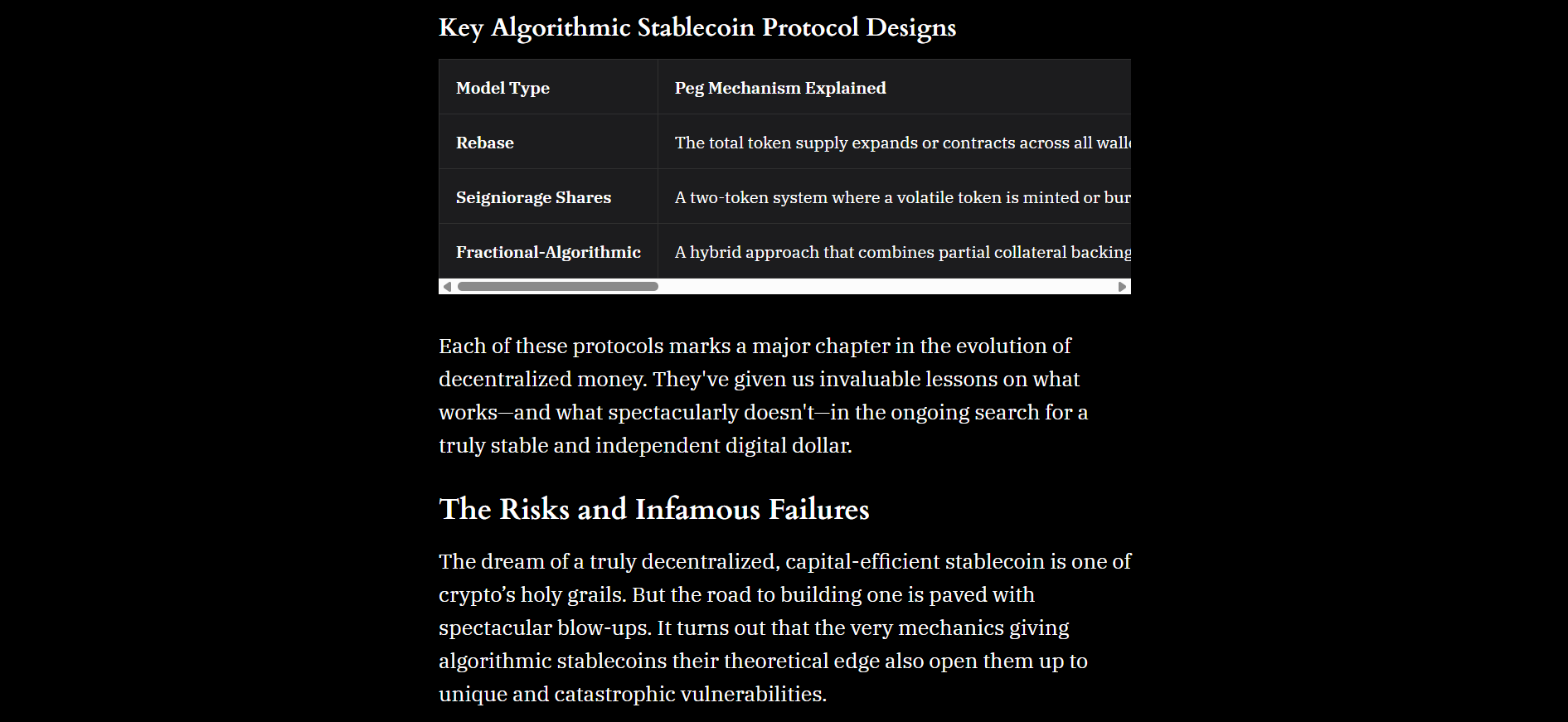
If stability depends heavily on market incentives, secondary tokens, or dynamic arbitrage mechanisms, the risk profile is structurally higher.
2. Under-Collateralized or Highly Complex Backing
When backing quality is hard to verify or depends on volatile collateral, leverage, or opaque credit structures, conservatism declines.
3. Thin Liquidity Stablecoins
Even a well-intentioned stablecoin can become risky if liquidity is shallow. Low liquidity increases spread, slippage, and depeg impact during stress.
A Simple Framework to Choose a Low-Risk Stablecoin
Use this checklist to evaluate candidates:
Reserve & Transparency
- Is the reserve composition easy to understand?
- Are reports frequent and consistent?
- Are custody arrangements and counterparties clearly described?
Redeemability
- Can you redeem directly or through reliable partners?
- What are the limits, fees, and timelines?
- Are redemptions historically stable during stressed markets?
Liquidity & Market Quality
- Is liquidity deep on reputable exchanges and major venues?
- Does it maintain tight spreads most of the time?
- How does it behave during volatility?
Operational Risk
- Which chain(s) will you use, and how reliable are they?
- Are you exposed to bridge risk?
- Are smart contract risks involved in how you hold it?
Regulatory & Platform Risk
- Are there restrictions that could affect access?
- Are you dependent on one exchange, one bank, or one custody provider?
How to Use Stablecoins in a Low-Risk Portfolio
Low risk comes from structure, not just token selection.
1) Diversify by Issuer, Not Just by Token
Consider splitting stablecoin exposure across at least two issuers to reduce single-point-of-failure risk.
2) Avoid Unnecessary Smart Contract Exposure
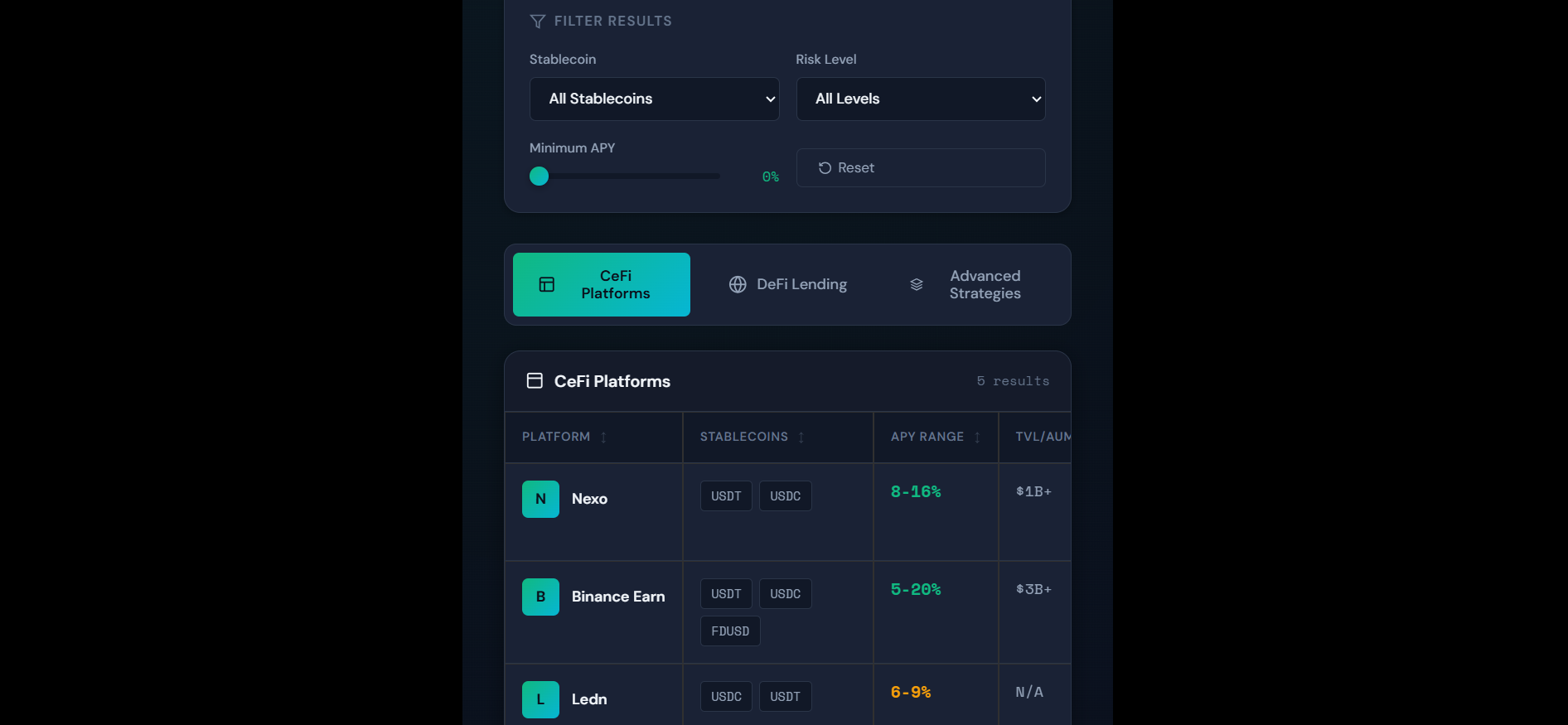
If the goal is low risk, storing stablecoins in a wallet or reputable custodian is generally less complex than deploying them into protocols for incremental yield.
3) Limit Bridge Usage
Bridges can add material risk. If you must bridge, minimize frequency and size, and prefer mature routes with strong operational track records.
4) Match Currency to Liabilities
If you spend in EUR, holding a portion in EUR stablecoins can reduce FX surprises. A low-risk plan includes managing currency risk, not just crypto volatility.
5) Use Tiered Liquidity Buckets
- Primary liquidity: the most liquid stablecoin you can exit quickly
- Secondary liquidity: a diversified alternative issuer
- Cash-equivalents: only if you understand structure and access limitations
Common Risks Even “Safe” Stablecoins Still Have
A conservative stablecoin strategy should assume these risks exist:
- Temporary depegs: market panic, liquidity crunches, exchange dislocations
- Counterparty risk: banks, custodians, brokers, settlement rails
- Regulatory risk: restrictions that affect issuance, redemption, or platform access
- Infrastructure risk: chain outages, wallet issues, exchange downtime
- Concentration risk: too much reliance on one issuer or one venue
Conclusion
For low-risk portfolios in 2026, the best stablecoins are usually the ones with the most credible redemption expectations, high-quality reserves, strong transparency, and deep liquidity.
In practice, a conservative approach often means using one primary stablecoin for liquidity, adding a second issuer for diversification, and avoiding unnecessary yield or bridge complexity.
Stablecoins can reduce volatility, but only when operational and counterparty risks are managed deliberately.
Read Next:
- Best Stablecoin Wallets in 2026
- A Tactical Guide of Global Stablecoin Accounts (GSAs)
- Savings GHO (sGHO) from Aave: Full 2026 Review
FAQs:
1. What is the safest type of stablecoin for a low-risk portfolio?
In general, fully backed fiat stablecoins with high-quality liquid reserves, clear reporting, and reliable redemption pathways are considered the most conservative design.
2. Is USDC or USDT better for a low-risk stablecoin allocation?
USDC is often selected for transparency and issuer posture, while USDT is widely used for unmatched liquidity and exchange coverage. Many low-risk approaches diversify across both rather than choosing only one.
3. Can stablecoins lose their peg even if they are fully backed?
Yes. Even strong stablecoins can trade slightly below or above peg temporarily due to liquidity conditions, market stress, or venue-specific issues.
4. Should low-risk investors use stablecoin yield strategies?
If your priority is low risk, be cautious: yield typically introduces smart contract risk, protocol risk, and liquidity constraints. Treat yield as a separate risk sleeve, not a default stablecoin feature.
5. How should I store stablecoins for a conservative strategy?
A conservative setup prioritizes strong custody practices, minimal smart contract exposure, and diversified venue risk. Many investors use reputable custodians or well-secured self-custody with operational controls and backups.
Disclaimer:
This content is provided for informational and educational purposes only and does not constitute financial, investment, legal, or tax advice; no material herein should be interpreted as a recommendation, endorsement, or solicitation to buy or sell any financial instrument, and readers should conduct their own independent research or consult a qualified professional.