Table of Contents
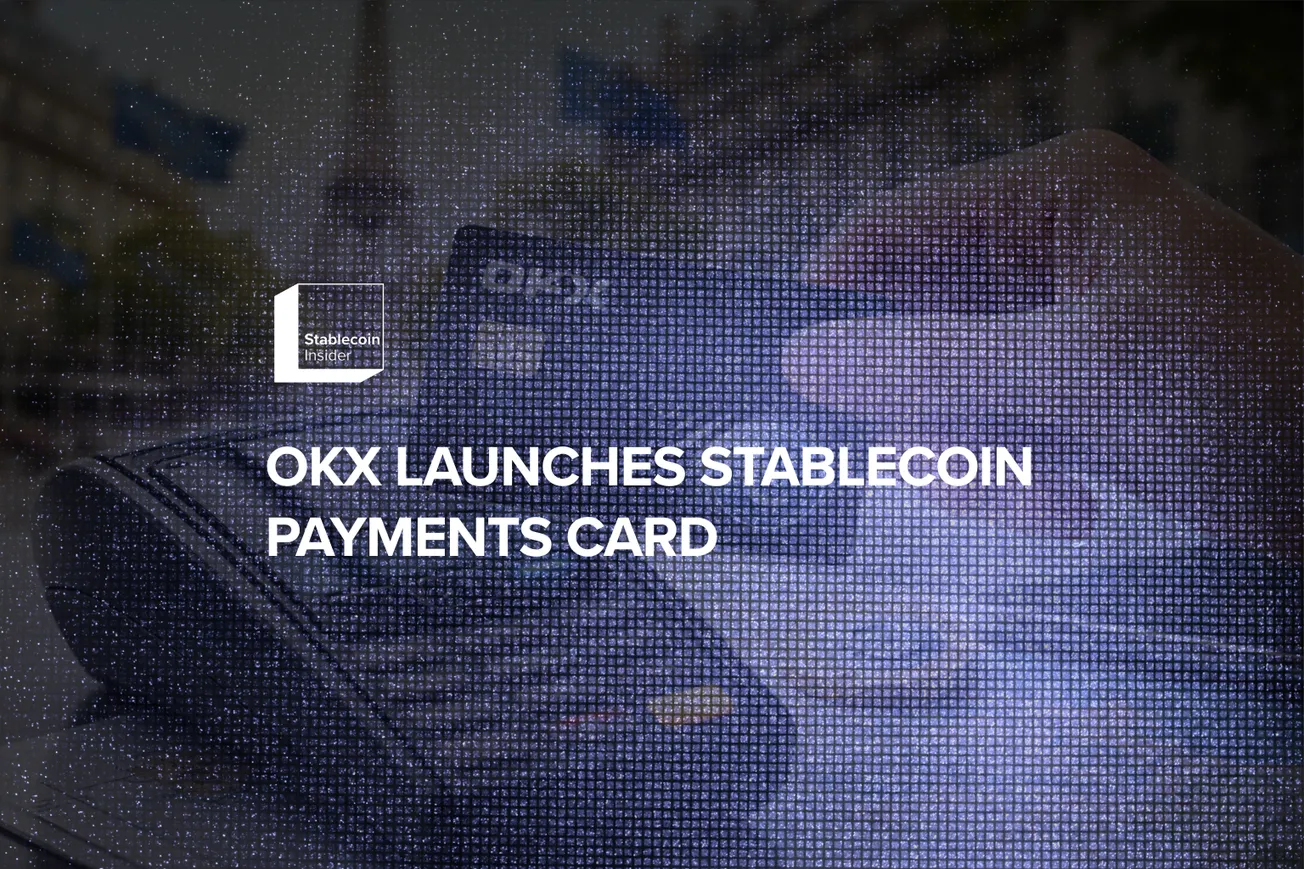
Crypto exchange OKX has launched the OKX Card, Europe's first debit card backed by euro stablecoins.
Powered by Mastercard and issued via regulated e-money provider Monavate, it lets users spend stablecoins from self-custody wallets.
Announced on January 28, 2026, it targets the 30 EEA countries, integrating crypto with daily payments amid advancing digital asset rules.
The card builds on Mastercard partnerships, highlighting stablecoins' role in stability and efficiency, using euro variants like EURT or EUROC to avoid volatility.
Key Takeaways
- OKX Card enables direct euro stablecoin spending at Mastercard merchants, cutting crypto payment barriers.
- Zero fees and 0.4% conversion spreads make stablecoin transactions cost-effective for European users.
- Self-custody wallet integration ensures user control while supporting real-time DeFi-linked spends.
- MiCA-compliant design via Monavate boosts regulatory trust for euro-backed stablecoin adoption.
- Up to 20% crypto rewards enhance utility, driving everyday stablecoin use in EEA countries.
Details of the Launch
The OKX Card is a physical and virtual debit card that connects directly to users' OKX Pay accounts. Users fund it by depositing euros, which are converted into stablecoins such as USDC or euro-backed options in real time.
This setup enables spending at over 150 million Mastercard-accepting merchants worldwide, including online, in-store, and contactless payments via Apple Pay or Google Pay.
Powered by Monavate, a UK-based firm licensed for electronic money issuance, the card ensures compliance with European standards.
OKX emphasizes security through self-custody wallets, meaning users retain control of their private keys without relying on centralized custodians.
The launch includes zero transaction fees for payments and a low 0.4% spread on stablecoin conversions, making it cost-effective compared to traditional crypto-to-fiat bridges.
Integration with DeFi is a key feature. Users can link the card to on-chain activities, potentially earning yields from stablecoins or automating spends from DeFi protocols.
For instance, stablecoins in liquidity pools could fund card transactions, blending decentralized earnings with real-world utility. Initial rollout requires users to join a waitlist via OKX's platform, with full availability expected soon across the EEA.
Benefits for Users and Merchants
For consumers, the card simplifies crypto usage. Instead of manual conversions or exchange withdrawals, users tap or swipe for instant settlements in euros, backed by stablecoins. This reduces friction in daily expenses like groceries, travel, or subscriptions.
Additional perks include up to 20% crypto rewards on select transactions, deposited directly into wallets.
Merchants benefit from Mastercard's established network, receiving payments in fiat without handling crypto volatility. Settlements occur in stablecoins for OKX but convert seamlessly to euros, minimizing forex risks.
This could accelerate stablecoin adoption in retail, where crypto payments currently represent a small fraction of transactions.
In a broader context, the card addresses pain points in crypto spending. Traditional methods often involve high fees, delays, or intermediary banks.
By taking advantage of stablecoins, OKX provides near-instant liquidity, appealing to tech-savvy Europeans in countries like Germany, France, and the Netherlands, where digital payments are prevalent.
Regulatory Context
The launch coincides with the Markets in Crypto-Assets (MiCA) framework, effective across the EU since 2024.
- MiCA regulates stablecoins as e-money tokens, requiring issuers to hold full reserves and obtain licenses.
- OKX's partnership with Monavate ensures adherence, positioning the card as a compliant tool for on-chain payments.
European regulators view stablecoins as a pathway to efficient cross-border transfers, but with safeguards against money laundering and systemic risks.
OKX's card complies by using audited stablecoins and KYC-verified accounts. This regulatory alignment could set a precedent for other exchanges, fostering trust in crypto products amid scrutiny from bodies like the European Central Bank.
Market Impact
The OKX Card enters a competitive landscape. Rivals like Binance and Coinbase offer similar cards, but OKX differentiates with euro focus and DeFi ties.
Analysts project stablecoin market cap to exceed $500 billion by 2027, driven by payment innovations. In Europe, where euro stablecoins hold about 10% of the segment, this could boost usage.
The partnership with Mastercard underscores mainstream finance's embrace of crypto. Mastercard has expanded crypto collaborations, aiming for 50% of global payments to involve digital assets by 2030.
For OKX, the card could increase user retention, with early data showing 30% higher engagement among cardholders in pilot programs.
Challenges remain, including stablecoin peg stability and network congestion during high volatility. However, OKX's infrastructure, built on robust blockchain tech, mitigates these through multi-chain support.

Conclusion
OKX's euro stablecoin card launch streamlines crypto integration into European payments, taking advantage of Mastercard for broad access and MiCA for compliance.
Focus on low costs and DeFi potential positions it as a tactical tool for users seeking efficient, secure spending.
Read Next:
- How Stablecoin Institutions Can Build $1T+ Revenue Streams in 2026
- Best Crypto Cross-Chain Bridges in 2025
- Symbiosis Finance Cross-Chain Aggregator: Full Review and Guide (2025)
FAQs:
1. What is the OKX Card?
The OKX Card is a debit card that lets users spend euro-backed stablecoins directly from their self-custody crypto wallets at any Mastercard merchant.
2. How do I fund the OKX Card?
You fund the OKX Card by depositing euros into your OKX Pay account, which converts them to stablecoins like USDC in real time for seamless spending.
3. Is the OKX Card available now?
The OKX Card is rolling out via a waitlist for users in the 30 EEA countries, with full access expected shortly after the January 28, 2026 announcement.
4. What fees apply to the OKX Card?
The OKX Card has zero transaction fees for payments and a low 0.4% spread on stablecoin conversions, plus potential crypto rewards up to 20%.
5. Does the OKX Card support DeFi integrations?
Yes, the OKX Card supports DeFi by allowing users to link on-chain activities, like earning yields from stablecoin pools while automating real-time spends.
Disclaimer:
This content is provided for informational and educational purposes only and does not constitute financial, investment, legal, or tax advice; no material herein should be interpreted as a recommendation, endorsement, or solicitation to buy or sell any financial instrument, and readers should conduct their own independent research or consult a qualified professional.