Table of Contents
December 8, 2025
Litecoin, the 13-year-old “digital silver,” has officially entered the stablecoin wars with the launch of Litecoin Stable Dollar ($LSD), a fully collateralized 1:1 USD-backed stablecoin deployed on LitVM, its new EVM-compatible virtual machine layer.
Key Takeaways
- $LSD is the first major USD stablecoin built natively on a Litecoin Layer-2, combining 13 years of PoW security with modern zk-rollup speed.
- Sub-second settlement and sub-penny fees make it one of the cheapest and fastest dollar rails in crypto.
- Unlike USDT or USDC, $LSD emphasizes decentralization, censorship resistance, and real-world merchant adoption over pure trading volume.
- Testnet is live today; full mainnet and public mint/redeem functions expected Q1 2026.
- Open investor outreach signals aggressive growth plans, this is not a “quiet launch.”
What is Litecoin Stable Dollar ($LSD)?
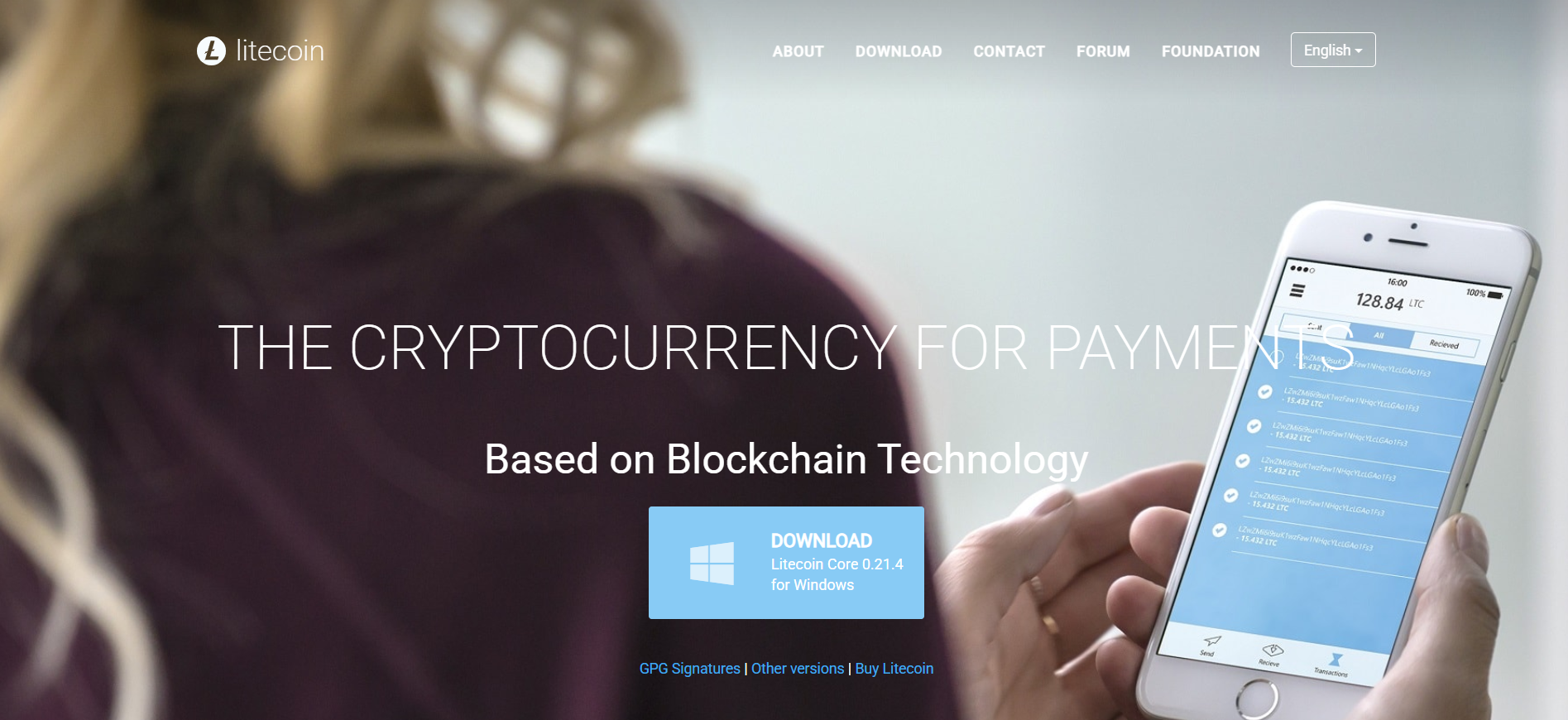
$LSD is designed from the ground up as a payments-first stablecoin.
Unlike many existing dollar tokens that live on congested Layer-1s or rely on centralized bridges, $LSD runs natively on LitVM, a zero-knowledge rollup infrastructure that inherits Litecoin’s battle-tested Proof-of-Work security while delivering sub-second finality and transaction fees routinely below $0.01.
Each $LSD token is backed 1:1 by USD or USD equivalents held in regulated custody, with real-time attestation and over-collateralization promised in upcoming transparency reports.
Redemption will be handled trustlessly through LitVM smart contracts.
LitVM: The Engine Powering $LSD’s Instant Settlement Magic
LitVM, developed in collaboration with BitcoinOS and built using Polygon’s Chain Development Kit (CDK), transforms Litecoin into a scalable DeFi hub without requiring a hard fork or altering the base layer.
Key technical advantages for $LSD include:
- <1-second transaction finality via zk-proof validity rollups
- Native bridging of LTC and $LSD with zero wrappers
- 99.99% historical uptime inherited from Litecoin’s chain (never suffered a major outage in 13+ years)
- Full EVM compatibility for easy porting of existing Ethereum tools and dApps
Real-World Payments: Why $LSD Could Redefine Everyday Crypto Utility
While most stablecoins chase DeFi yield farmers, $LSD’s stated mission is simpler: Become the default dollar for actual spending.
Use cases highlighted by the team include:
- Cross-border remittances that settle instantly instead of days
- Merchant payments and point-of-sale integration
- AI agent and machine-to-machine micropayments
- Everyday purchases in regions with unstable local currencies
With global stablecoin transfer volume already exceeding $150 billion monthly, the $LSD team believes LitVM’s speed and cost structure give it a decisive edge over competitors still reliant on Ethereum, Tron, or Solana.
Investor Spotlight: Open Call for Aligned Builders and Backers
In an unusual move for a stablecoin launch, @LitecoinDollar simultaneously opened the door to strategic investors, liquidity providers, and ecosystem builders.
Early participants are being offered:
- Governance rights via forthcoming $LITVM token
- Revenue share from sequencer fees
- Potential airdrops and boosted yield programs (current DNA Fund-style delta-neutral LTC/$LSD strategies are already advertising 7–11% real yield)
The team stressed they are looking for “long-term aligned capital” rather than short-term speculators.
Conclusion
Litecoin has spent years in Bitcoin’s shadow as the reliable but unglamorous “silver” alternative.
With $LSD and LitVM, the network is making its clearest bid yet to become the go-to chain for fast, cheap, and truly unstoppable dollar payments.
Whether merchants, remittance companies, and everyday users adopt $LSD at scale will determine if Litecoin can finally step into the mainstream spotlight it has long been predicted to claim.
Read Next:
- Stablecoins x Tokenized Finance in 2026: Here's What's Coming
- The Neobank Transition Report
- 2025 Stablecoin Spending Report
FAQs:
1. What is Litecoin Stable Dollar ($LSD) and how does it maintain its 1:1 USD peg?
$LSD is a 1:1 USD-backed stablecoin issued on LitVM. Every token is fully collateralized by USD or USD equivalents in regulated custody, with over-collateralization and real-time proof-of-reserves planned. Redemption is handled directly through smart contracts.
2. How does LitVM enable instant settlements for $LSD real-world payments?
LitVM is Litecoin’s zk-rollup Layer-2 that delivers <1-second finality and fees under one cent while settling natively on Litecoin’s PoW chain, eliminating bridges and delivering true instant, low-cost USD transfers.
3. Is $LSD a good investment opportunity on Litecoin’s ecosystem?
The project is actively courting strategic investors and liquidity providers with governance tokens, sequencer revenue share, and high single-digit yields on LTC collateral. As with all early-stage projects, thorough due diligence on audits and team is essential.
4. What makes $LSD different from other USD-backed stablecoins like USDT or USDC?
$LSD runs natively on Litecoin’s decentralized PoW chain via LitVM, offering superior censorship resistance, near-zero fees, sub-second settlement, and 99.99% uptime, optimized for payments rather than just trading or DeFi speculation.
5. When can I start using $LSD for payments on LitVM, and what’s next for Litecoin?
Testnet and developer minting are live now. Public mainnet launch with full mint/redeem is scheduled for Q1 2026, followed by merchant integrations, lending protocols, and real-world asset (RWA) tokenization on LitVM.