
Table of Contents
Picture this:
AI agents autonomously negotiating multimillion-dollar deals, streaming employee salaries in real-time based on performance metrics, and settling cross-border transactions in under a second, all fueled by stablecoins.
This vision is rapidly becoming reality in 2025, as stablecoins like USDC and USDT surge past $250 billion in circulation, up from under $5 billion in 2019. These digital assets, pegged to fiat currencies like the USD, offer unparalleled stability, programmability via smart contracts, and near-instant global transfers, bridging the gap between traditional finance (TradFi) and the burgeoning AI economy.
But can stablecoins truly power agentic, AI-driven payments at scale?
With fintech funding hitting $8.85 billion in Q3 2025 alone (much of it directed at AI agents and stablecoins), this article explores the latest developments. We'll delve into autonomous agents, streaming salaries, high-TPS blockchains, and new additions like regulatory shifts and real-world case studies.
Ultimately, stablecoins are not just stabilizing crypto; they're catalyzing a machine-to-machine economy potentially worth trillions, as highlighted in recent reports from a16z and McKinsey.
Key Takeaways
- Stablecoins' stability and smart contract features make them the backbone for AI agents in autonomous payments, with Q3 2025 funding underscoring their momentum.
- AI-driven payments are operational today, via platforms like Pay3 and integrations from PayPal with Google’s AP2 and OpenAI’s ACP, enabling secure, compliant transactions.
- Streaming salaries, now over 90% stablecoin-based, processed $8.9 trillion in the first half of 2025, attracting Gen Z talent and slashing payroll costs.
- High-TPS blockchains like Solana and Aptos handle thousands of TPS, essential for real-time AI settlements in crypto x AI intersections.
- Regulatory tailwinds, including the GENIUS Act, could propel stablecoins to $2 trillion by 2028, though IRS compliance and security risks remain key hurdles.
- The fusion of AI and stablecoins could rewrite digital payments, with startups like Bankr and Olas Pearl challenging giants like PayPal.
Autonomous Agents and AI-Driven Payments
Agentic AI (autonomous entities that decide, act, and transact independently) is revolutionizing finance, with stablecoins as the currency of choice to mitigate volatility. In 2025, AI agents are shining in fintech, drawing significant investments for their role in payments.
Stablecoins enable this via programmable protocols like Google’s Agent Payments Protocol (AP2), which integrates stablecoins for AI-initiated transfers, and OpenAI’s Agentic Commerce Protocol (ACP), ensuring trust and compliance.
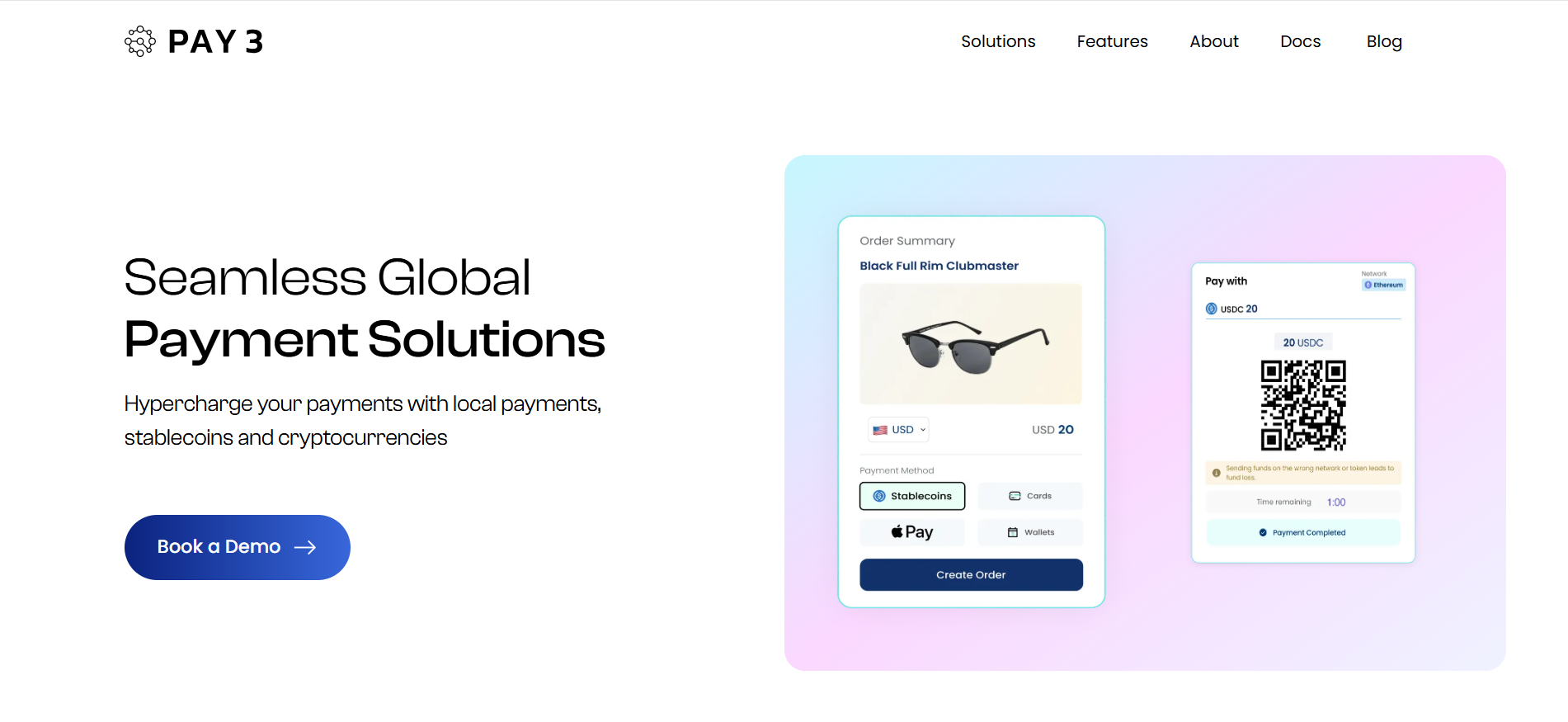
PayPal’s recent dual integrations with these protocols highlight the next payment revolution, allowing AI to handle everything from negotiations to settlements. Platforms like Pay3 continue to lead, optimizing stablecoin routes for business automation.
Real-world traction is evident: Deutsche Bank notes that AI capabilities are converging with stablecoins for autonomous payments, transforming cash management. Speculatively, this could unlock a $30 trillion agentic economy, where AI owns assets and trades in DeFi, though challenges like verifiable AI outputs persist.
Benefits include drastic efficiency in B2B, but risks such as cyber vulnerabilities in AI-driven systems are rising, as discussed at Sibos 2025.
Streaming Salaries: The Rise of Real-Time Compensation
Streaming salaries (continuous, micropayment-based payouts) address liquidity gaps in traditional payroll, with stablecoins at the forefront.
In 2025, stablecoins comprise over 90% of digital asset compensation, processing $8.9 trillion in the first six months alone. Three-quarters of Gen Z prefer USDC paychecks, driving adoption among crypto-native firms.
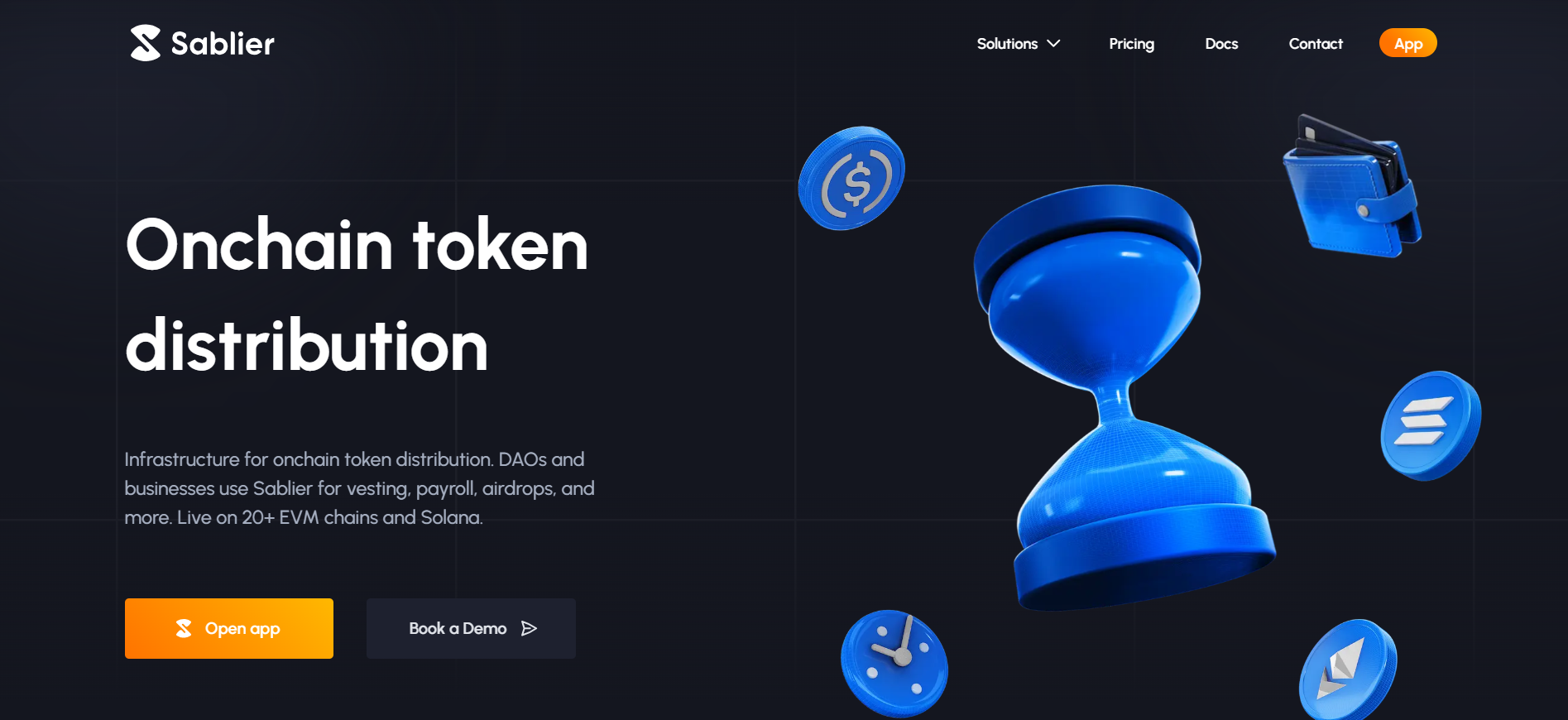
Integrations like Paxos with ADP enable opt-in stablecoin payroll, reducing FX costs by 3-5% for global teams. AI enhances this by automating streams via performance data, using tools like Sablier.
Wall Street's talent race has salaries soaring for stablecoin experts, with perks including token-based incentives.
Speculatively, this extends to agent salaries in bot ecosystems, but IRS rules create compliance hurdles, requiring precise tax reporting on streams. Trends show stablecoins revolutionizing structures, from adult creators to international remittances.
High-TPS Chains: Powering Real-Time Settlements for AI Economies
High transactions per second (TPS) are critical for AI's real-time demands, outpacing TradFi's delays.
In 2025, blockchains like Solana (1,000–4,000 TPS) and Aptos (up to 160,000 TPS) dominate for stablecoin settlements. These chains processed record volumes, with Ethereum at $2.8T monthly in stablecoins.
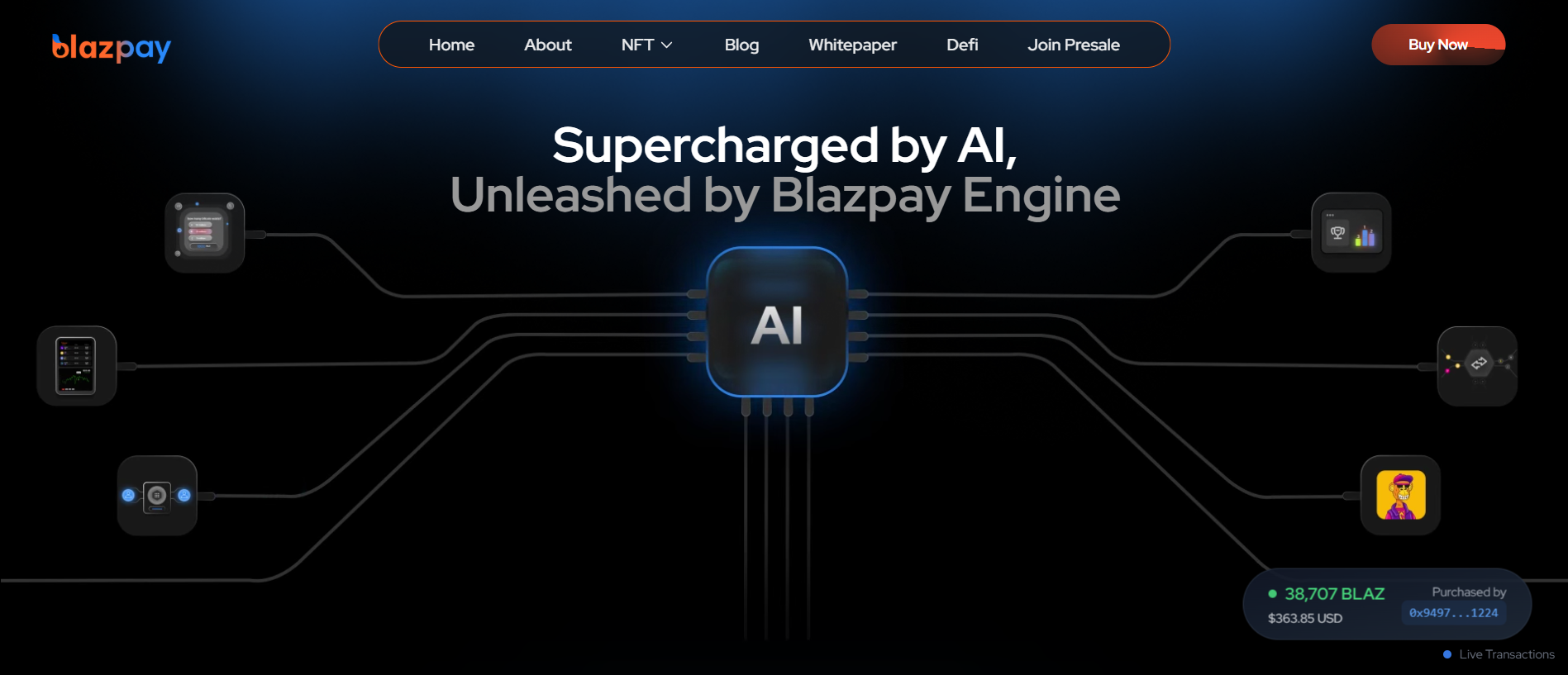
Emerging players like Vanar (AI-focused L1) and Blazpay (AI crypto) are set to boom, integrating high TPS with AI for payments. Blockchain's role in cross-border payments shines, with stablecoins enabling seconds-long transfers.
Speculatively, these chains could enable an AI-blockchain hybrid, with startups like TON Goodies rewriting payments. Challenges include congestion and regulation.
Regulatory Developments: Navigating the 2025 Landscape
2025 marks an inflection point for stablecoins, with increased legislation probabilities. The GENIUS Act introduces a federal framework for payment stablecoins, requiring liquid reserves and encouraging bank issuance.
Global tailwinds include IMF discussions on tech reshaping payments and EU/Asia frameworks. For AI integrations, compliance like KYC for agents is key, with PayPal's moves setting precedents. Banks' strategic playbooks emphasize regulatory alignment for competitive edges.
Challenges and Risks in AI-Stablecoin Payments
While the convergence of AI and stablecoins promises efficiency, it introduces multifaceted risks that could hinder adoption if unaddressed. In 2025, as stablecoins process trillions in volumes, stakeholders must navigate technical, regulatory, economic, and AI-specific vulnerabilities.
Technical Risks
Blockchain infrastructure poses inherent dangers, including smart contract vulnerabilities, network congestion, and bugs that could lead to exploits or depegging events. For instance, Solana's history of outages (e.g., 18-hour downtimes) and MEV exploitation creates counterparty risks for AI agents relying on real-time data, potentially causing failed settlements or stale price executions.
Latency issues further exacerbate this, AI agents "starve" without instant data feeds, leading to hallucinations in balances or arbitrage bots trading on outdated info. Solutions like zero-knowledge proofs (zk-proofs) for verifiable computations are emerging, but widespread implementation lags.
Regulatory and Compliance Risks
Global AML/KYC inconsistencies remain a major hurdle, with stablecoins for remittances risking unregulated on-ramps and heightened scrutiny under frameworks like the GENIUS Act.
Banks express concerns over stablecoins' status as cash or securities, complicating AI-driven cross-border payments. IRS rules demand real-time tax tracking for streaming salaries, adding compliance burdens that could stifle innovation.
Borderless infrastructure amplifies fraud risks, with AI enabling sophisticated attacks like deepfake KYC bypasses. Decentralized identity solutions, such as those from idOS, are proposed to ensure privacy-preserving verification, but regulatory fragmentation persists.
Economic and Security Risks
Economic instability, such as collateral reuse or depegging, threatens stablecoin integrity, especially in high-volume AI ecosystems. Traditional risk management systems fail to handle programmable money's dynamics, leading to systemic exposures.
Cyber threats are amplified, AI-fueled fraud could exploit autonomous agents, with over-reliance on chains like Solana risking cascading failures. Emerging threats include quantum computing vulnerabilities to encryption, potentially compromising on-chain transactions.
AI-Specific Risks
AI agents introduce unique challenges, including hallucinations, prompt injections, and jailbreaks that undermine trust in DeFi payments.
Liability questions arise: Who is accountable when an AI errors in a contract or payment?
Ethical concerns, like biased decision-making in lending, compound this, as seen in IMF discussions on AI's role in finance. Guardrails, deterministic checks, LLM evaluations, and on-chain verifiability, are essential, but add latency and complexity.
Mitigations include talent surges for experts (with soaring salaries) and compliant protocols, but balanced regulation is crucial to reach $2T by 2028 without stifling growth.
Real-World Case Studies
Stablecoins and AI are moving beyond theory, with 2025 seeing deployments across industries. These examples illustrate practical implementations, from enterprise automation to consumer apps.
PayPal's AI Leap
PayPal has integrated Google's AP2 and OpenAI's ACP, enabling AI agents to handle stablecoin payments in e-commerce. This allows autonomous checkouts and settlements, reducing friction for global users and showcasing AI's role in programmable finance. (Read more: OpenAI and PayPal Team Up)
Siemens' Programmable Treasury
Siemens uses JPM Coin for automated internal transfers via stablecoins, triggered by predefined conditions. This B2B case demonstrates AI agents optimizing treasury ops, cutting costs and delays in cross-border flows.
Uber's Cross-Border Experiment
Uber is piloting stablecoin payments to bypass currency conversion fees in international markets. AI agents manage driver payouts and rider refunds in real-time, highlighting stablecoins' efficiency in gig economies.
Stripe's AI Agent Toolkit
Over 700 AI agent startups launched on Stripe in 2024, using its SDK for autonomous purchases with stablecoins. This addresses TradFi barriers like KYC and CAPTCHAs, enabling borderless micropayments for AI-driven services.
Visa and Mastercard's Stablecoin Settlements
Both networks have adopted stablecoins for merchant settlements, crypto debit cards, and remittances, processing real-world volumes that eclipse traditional methods. AI optimizes routing, proving stablecoins' scalability in production.
Kite AI's Machine-to-Machine Economy
Kite AI builds rails for AI-to-AI payments with stablecoins, where agents make millions of micro-transactions daily. Backed by PayPal Ventures, this facilitates autonomous ecosystems like compute subscriptions.
BVNK's Business Use Cases
BVNK supports stablecoin payments for remittances, payroll, treasury, and e-commerce, with AI agents automating flows. Examples include instant global payroll and treasury rebalancing, slashing days to seconds.
Stable Pay's Lending Integration
Stable Pay integrates with Morpho Labs' $12B network for yield-bearing features, allowing AI to manage earnings from payments. This bridges payments and DeFi for users.
These cases underscore stablecoins' role in AI automation, with more expected as GENIUS Act compliance matures.

Conclusion
Stablecoins are propelling AI-driven payments into the mainstream, with 2025 developments like GENIUS Act and massive funding accelerating adoption.
From agentic economies to streaming innovations, the potential is vast, potentially $2T by 2028. Monitor protocols like AP2 and chains like Vanar to capitalize.
The agentic future is here, powered by stablecoins.
Read Next:
- How to Use Stablecoins to Pay Overseas Suppliers and Vendors in 2025
- 12 Top Stablecoin Aggregators to Use in 2025
- Are Algorithmic Stablecoins Still Being Used in 2025?
- The 2025 STABLE Act: Complete Breakdown of America's New Stablecoin Regulation
FAQs:
1. What are stablecoins and how do they support AI payments?
Stablecoins, pegged to USD, offer volatility-free programmability for AI agents in real-time transactions.
2. Can AI agents handle payments autonomously?
Yes, through AP2, ACP, and Pay3, fostering machine economies amid 2025 funding booms.
3. How do streaming salaries work with stablecoins?
Continuous micropayments via USDC, processing trillions in 2025, with AI automation.
4. What’s the role of high-TPS blockchains?
Enabling sub-second AI settlements on chains like Aptos, vital for crypto x AI.
5. What are key risks?
Regulatory compliance, IRS hurdles, and security; mitigated by frameworks like GENIUS Act.
6. How will stablecoins impact the economy?
Unlocking trillions via AI integrations, with 2025 as a pivotal year.