Table of Contents
In 2025, Euro stablecoins have become the go-to tool for Europeans who want the speed and programmability of crypto without the wild volatility of Bitcoin or Ethereum.
These digital assets are designed to maintain a steady 1:1 peg to the euro (€1 = 1 stablecoin) and are backed by real euro reserves held in regulated financial institutions.
The EU’s MiCA regulation, fully effective since late 2024, has dramatically increased institutional and retail demand by creating a clear legal framework, banning unregulated stablecoins, and giving licensed issuers a massive competitive advantage.
The result: faster on- and off-ramping, lower counterparty risk, and seamless integration with traditional SEPA banking.
Among the regulated options, EURC (issued by Circle) stands out as the most widely supported, transparent, and MiCA-authorized euro stablecoin.
Key Takeaways
- EURC is issued by Circle and backed 1:1 with euro-denominated reserves held in regulated EU banks
- Licensed EU platforms require identity verification (KYC) – there is no legal way around it in 2025
- Bank deposits and SEPA transfers remain the cheapest and most reliable way to acquire euro stablecoins
- MiCA compliance delivers real consumer protections, reserve transparency, and issuer accountability
- Always verify that an exchange or wallet explicitly supports MiCA-licensed tokens and holds its own EU license
What Are Euro Stablecoins?
Euro stablecoins are cryptocurrencies designed to maintain a stable value of exactly one euro. They achieve this through full reserve backing (cash and cash equivalents held in regulated banks) and regular independent audits.
Compared to USDC (dollar-backed) or non-regulated euro-tokens (e.g., older versions of EURT or unlicenced algorithmic tokens), MiCA-compliant euro stablecoins like EURC offer European users native euro liquidity, SEPA compatibility, and legal certainty.
Price stability is maintained through arbitrage and direct 1:1 redemption rights with the issuer.
EURC is currently available on multiple high-performance blockchains including Ethereum, Solana, Base, Polygon, Avalanche, and Stellar, giving users flexibility in speed and cost.
EURC Explained
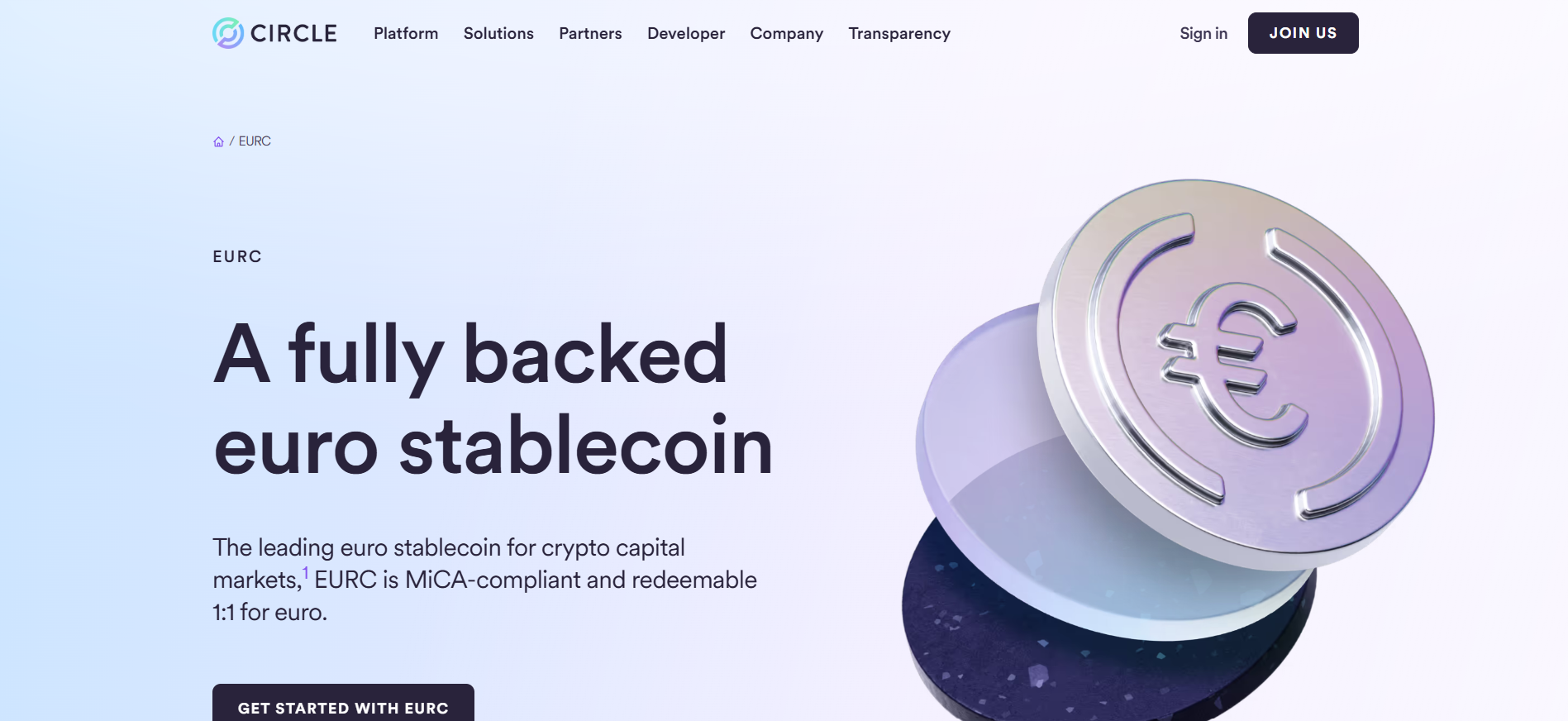
EURC is issued by Circle, the same company behind USDC, and is 100% backed by euro-denominated assets (cash and short-term government securities) held at leading European banks. Monthly attestations by a Big Four accounting firm and real-time reserve dashboards provide full transparenc.
Circle offers direct 1:1 redemption for euros to verified institutional and high-volume clients, while retail users benefit from the same reserve backing through licensed partners.
Common use cases in Europe include cross-border payments inside the Schengen area, euro-denominated DeFi trading pairs, instant remittances, and payroll for remote workers.
How to Buy EURC in Europe (Step-by-Step)
Here is the complete, real-world process that works today across all 27 EU countries + EEA (as of November 2025):
Step 1 - Choose a MiCA-licensed platform:
You must use a provider that is either:
- Registered as a Crypto-Asset Service Provider (CASP) under MiCA, or
- Operating under a national VASP license that remains valid during the MiCA transition.
Best proven options in 2025 (all allow direct EUR → EURC purchase and withdrawal):
Example: We’ll use Kraken (cheapest) and Revolut (fastest) as parallel real examples.
Step 2 - Create account & complete full KYC (mandatory):
No exceptions in 2025, every licensed platform requires Level 2+ verification. What you need to upload (exact list):
- Valid passport or national ID card (both sides)
- Proof of address <3 months old (utility bill, bank statement, or official residence certificate)
- Live selfie / liveness check
- In some countries (DE, FR, NL, AT): confirmation that your bank account IBAN is in your name
Time required:
- Kraken → 2–30 minutes (automated in most cases)
- Revolut → usually instant if you’re already a Revolut customer
- Coinbase → 1–5 minutes
Step 3 - Link a SEPA-enabled euro bank account (the cheapest way):
Do NOT use credit/debit card unless you’re okay paying 2–4 % extra.
How to add your bank on Kraken (example):
- Go to Funding → Deposit → Euro (SEPA Credit Transfer)
- Select “Kraken’s dedicated Clear Junction IBAN” (changes monthly)
- Copy the unique reference code (e.g., KRKN12345678), this is critical
- Open your personal banking app (ING, Santander, N26, Bunq, etc.)
- Create a new SEPA transfer:
- Amount: €500 (example)
- Recipient: ClearJunction (Kraken’s banking partner)
- IBAN: LT123100011234567891 (example)
- Reference field: KRKN12345678 (must be exact or money is delayed)
- Send as SEPA Instant if your bank supports it → arrives in <10 seconds
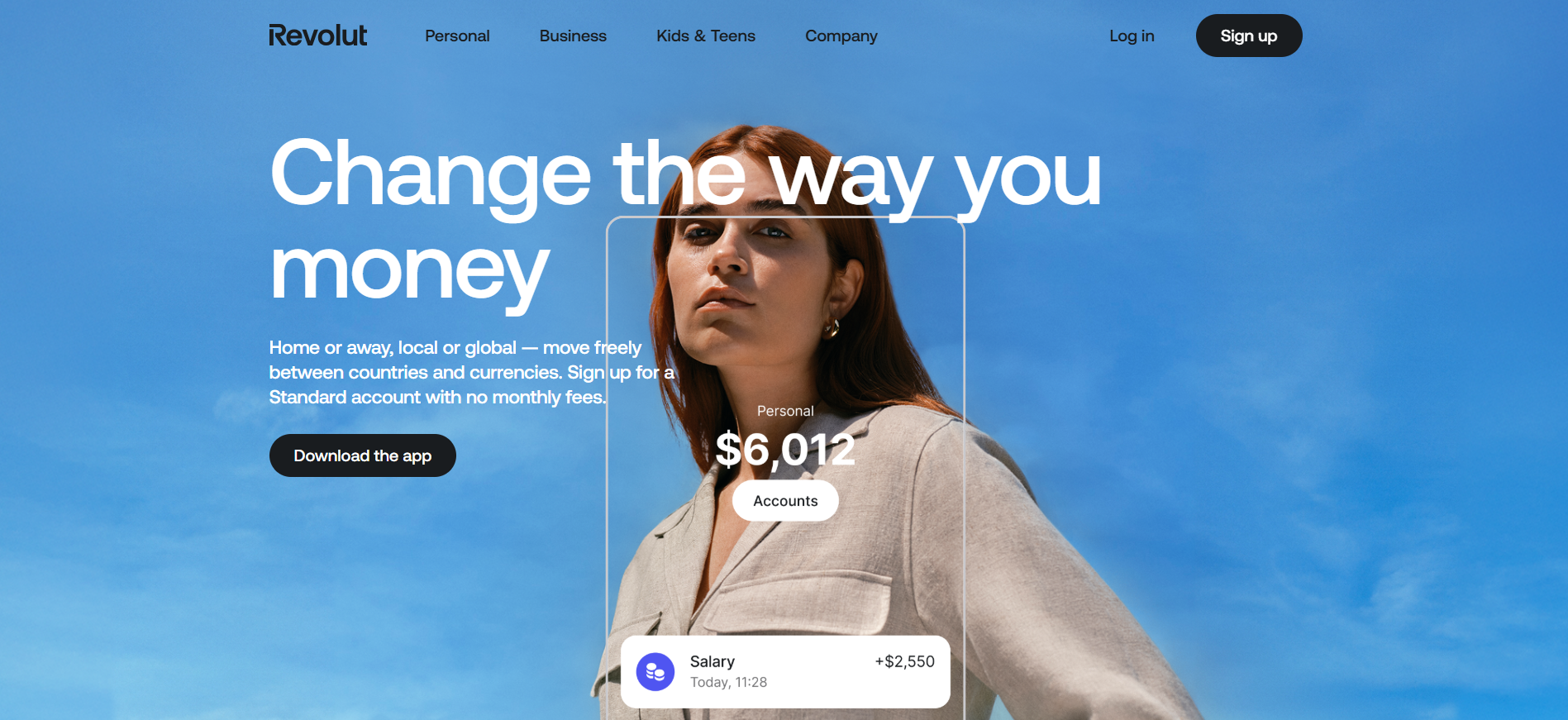
Revolut route (even easier):
- Open Revolut app → Crypto tab → EURC
- Tap “Buy” → your Revolut euro balance is used instantly (no external transfer needed)
Step 4 - Deposit euros:
- SEPA Standard: free or €0.01–€0.50, arrives in 4–15 hours
- SEPA Instant: €0–€1, arrives in <10 seconds (recommended)
Pro tip 2025: Almost every major bank now offers SEPA Instant 24/7 (Revolut, Bunq, Wise, ING, Santander, CaixaBank, BNP Paribas, etc.).
Step 5 - Buy EURC:
Kraken example:
- Go to Trade → New Order → EURC/EUR pair
- Choose “Market” order for instant fill
- Enter amount (e.g., €500) → you receive ~499.50–499.90 EURC after 0–0.16 % spread
- Confirm
Revolut example:
- Crypto → EURC → Buy → slide to confirm
- Zero trading fee for Standard users under monthly fair-usage limit
Step 6 - Withdraw EURC to your personal wallet:
You now own the coins, move them off the exchange for safety.
Supported networks & real fees (November 2025):
Example withdrawal on Kraken:
- Funding → Withdrawal → EURC → choose Solana
- Paste your Phantom wallet address (starts with “4xk…”)
- Enter 100 EURC → fee deducted automatically (~0.000005 SOL)
- Confirm with 2FA → arrives in 3 seconds
Step 7 - Enable maximum security:
- Turn on 2FA with authenticator app (never SMS)
- Add withdrawal address whitelist (Kraken, Coinbase, Bitstamp)
- Use a hardware crypto wallet (Ledger Nano S Plus or X) for amounts >€5,000
- Never click links in emails, bookmark kraken.com, coinbase.com, etc.
Full example timeline (realistic, November 2025)
- 09:00 – Sign up on Kraken → KYC approved in 4 minutes
- 09:05 – Initiate €1,000 SEPA Instant from Bunq → arrives 09:05:08
- 09:06 – Buy 999.30 EURC (0.07 % spread)
- 09:07 – Withdraw to Phantom (Solana) → confirmed 09:07:12
Total cost: €1–€1.50 all-in
That’s it, you now hold fully MiCA-compliant, 1:1 euro-backed EURC in your personal wallet, ready for payments, trading, or DeFi.
Best Platforms That Support EURC (as of 2025)
Centralized exchanges
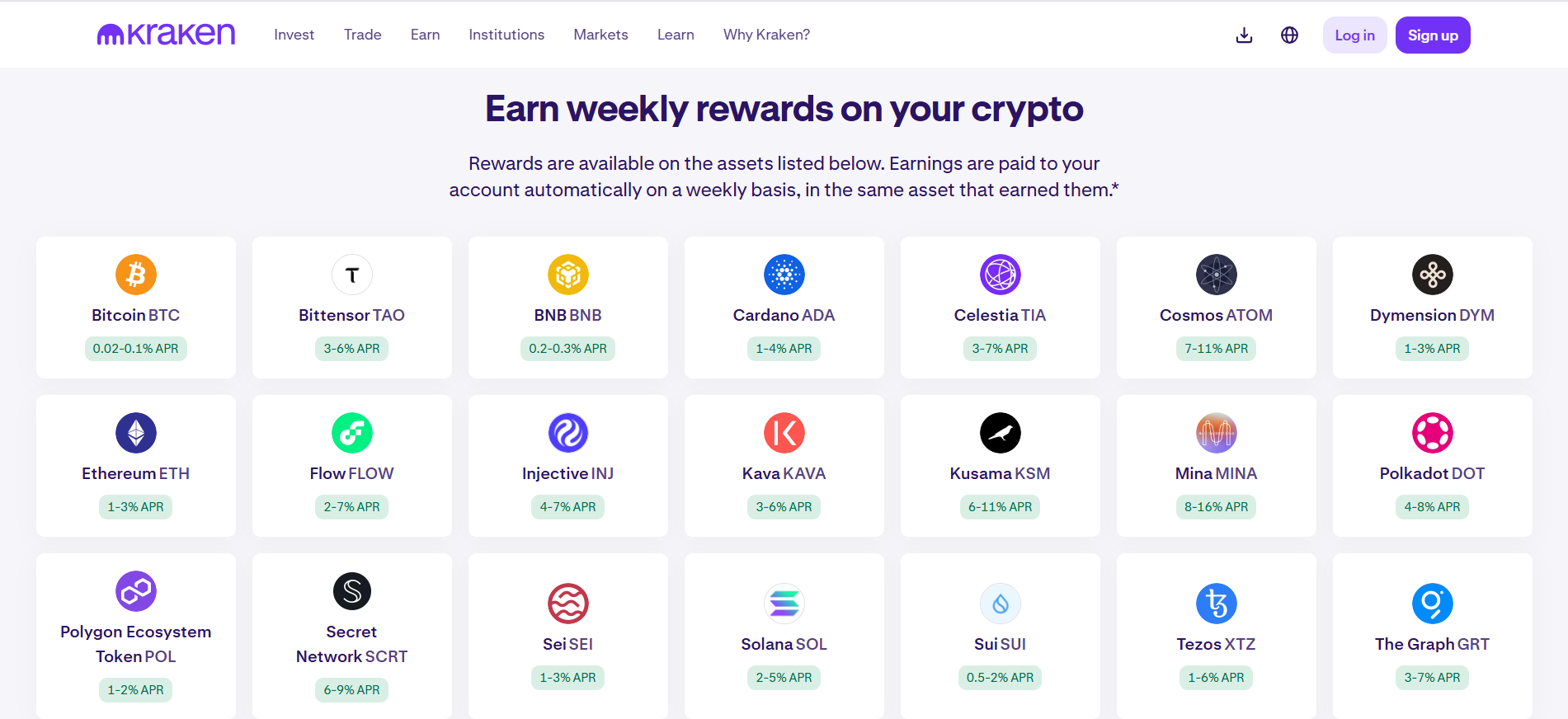
- Kraken (EU entity, MiCA-ready)
- Coinbase (Coinbase Europe Ltd, licensed)
- Bitstamp (EU license)
- Binance (where still operating under local licenses)
EU neobanks / fintech apps with SEPA rails
- Revolut (supports direct EURC purchase in-app in many countries)
- N26 (limited crypto features via partners)
- Bison (Stuttgart Stock Exchange app)
Non-custodial wallets with fiat on-ramps
- MetaMask + licensed on-ramp partners (MoonPay, Sardine, etc.)
- Trust Wallet + integrated SEPA providers
- Ledger Live (via licensed partners)
Always verify the current regulatory status of any platform in your specific country.
Costs and Fees Breakdown
- SEPA deposits: €0 – €1 (often free)
- Card purchases: 1.5–3.99%
- Trading/spread: 0–0.5% on most regulated exchanges
- Network withdrawal fees: €0.01–€5 depending on chain (Solana cheapest, Ethereum most expensive during congestion)
Compliance Rules and KYC Requirements in the EU
Under MiCA, all fiat-referenced stablecoins (e-money tokens or EMTs) must be issued by authorized institutions. Providing crypto services (exchange, custody) to EU residents without a license is prohibited.
KYC is mandatory everywhere. Platforms perform AML checks, source-of-funds verification on larger deposits, and ongoing transaction monitoring. Typical documents: government ID, proof of address (utility bill <3 months), and sometimes a bank statement showing your name/IBAN.
EU users gain strong rights: clear disclosures, complaint mechanisms via national regulators, and access to the issuer’s reserve reports.
Why MiCA-Regulated Stablecoins Matter
- Monthly third-party attestations of reserves
- Issuers must be authorized EU credit institutions or e-money institutions
- Significantly reduced de-pegging and counterparty risk compared to pre-MiCA tokens
- Legal recourse inside the European Union
Bank Integration and SEPA Transfers
SEPA Instant (available at most major banks) credits funds in under 10 seconds 24/7, making stablecoin purchases nearly real-time. Many European banks (Revolut, N26, Bunq, Wise, ING, Santander) have become crypto-friendly or neutral in 2025.
Common limitations: daily outgoing limits (€15,000–€100,000), occasional manual compliance reviews on first crypto transfers.
Troubleshooting Bank Declines
If your bank blocks a transfer:
- Use a different bank or neobank known to be crypto-friendly
- Split large transfers over several days
- Politely inform your bank the recipient is a MiCA-licensed EU entity (provide the platform’s license number)
- Some users successfully resolve blocks via written confirmation of lawful use
Secure Storage and On-Chain Transfers
Custodial (exchange-held) vs self-custody (private keys) is a personal risk choice. For self-custody, use hardware wallets (Ledger, Trezor, Keystone) that support all EURC networks.
Always write down and securely store your seed phrase offline.
Where Can You Use Euro Stablecoins?
- Online payments & e-commerce (growing number of EU merchants via Stripe, Adyen, Coinbase Commerce)
- Instant remittances inside and outside the Schengen area
- Trading pairs on major DEXs and CEXs
- Yield-Bearing opportunities on licensed DeFi protocols (always understand the risks, smart-contract exploits are not covered by deposit insurance)
Risks to Consider Before Buying
- Strict enforcement against non-MiCA tokens (many exchanges have delisted them)
- Counterparty risk if an issuer’s transparency practices weaken (mitigated by regulation)
- Smart-contract vulnerabilities and phishing remain the largest retail risks
- Tax treatment varies by country, capital gains, income, or wealth tax may apply (consult a local tax advisor)
Conclusion
Euro stablecoins like EURC finally deliver what Europeans have wanted for years: fast, programmable euros that move 24/7 without currency conversion fees or volatility.
Thanks to MiCA, the ecosystem is now safer, more transparent, and deeply integrated with traditional banking.
Start with a reputable, MiCA-licensed platform, use SEPA transfers to keep fees minimal, and move your EURC to a self-custody wallet once purchased.
The future of euro-native digital cash is here, and it’s fully regulated.
Read Next:
- Stablecoin Tax Guide 2025: Reporting and Tools for Compliance
- The Future of Stablecoins: What's Next in 2026 and Beyond
- Best Wallets for Storing Stablecoins Securely in 2025
- Are Algorithmic Stablecoins Still Being Used in 2025?
FAQs:
1. Is EURC legal to buy and use in the EU under MiCA?
Yes. EURC is issued by Circle Internet Financial Europe (authorized e-money institution) and fully complies with MiCA as an e-money token (EMT).
2. Do I need KYC to buy Euro stablecoins in Europe?
Yes, 100% mandatory on every licensed platform in 2025. There are no legal no-KYC options for MiCA-compliant euro stablecoins.
3. What European banks allow SEPA transfers to crypto platforms?
Revolut, Wise, Bunq, N26, ING, Santander, and most major banks now permit transfers to licensed CASPs. Policies vary by country and amount.
4. What fees should I expect when purchasing EURC?
SEPA deposits are usually free or <€1, trading spreads 0–0.5%, network withdrawal fees €0.01–€5 depending on blockchain.
5. Can I withdraw EURC directly to a self-custody wallet?
Yes, every reputable exchange allows direct withdrawal of EURC to MetaMask, Ledger, Trust Wallet, etc., on supported networks.
6. How is EURC different from USDC or other stablecoins?
EURC is euro-backed and MiCA-authorized for the European market, eliminating FX conversion fees and offering native SEPA compatibility, while USDC remains dollar-backed.
7. What are the risks of holding Euro stablecoins?
Primary risks are smart-contract vulnerabilities, phishing attacks, and potential changes in tax treatment. Counterparty and de-pegging risks are now minimal under MiCA regulation.