Table of Contents
MetaMask spent years as the default crypto wallet, the one almost every protocol integrated first. In 2026 that grip has loosened. Stablecoins are now used for real payments, not just trading, and swap fees and chain coverage matter more than brand recognition.
MetaMask has kept evolving. It added native support for Solana, Bitcoin, and TRON, launched its own mUSD stablecoin, and shipped a spending card. Yet for many stablecoin users, the daily experience still lags newer wallets built around payments and yield.
The practical question in 2026 is no longer compatibility. It is total cost, multi-chain reach, phishing resistance, and whether idle balances earn anything. Each alternative below answers those differently.
This guide compares the leading MetaMask alternatives for stablecoin holders. It covers what each wallet is best at, its honest weakness, and where it stands on yield.
It is written for anyone holding USDC or USDT who wants a better daily driver. Every key claim links to a supporting source so you can verify it yourself.
Key takeaways (mid-2026)
- No single wallet wins; the right corridor decides.
- Phantom and Backpack lead for USDC on Solana.
- Rabby is the safest pick for multi-chain EVM users.
- Coinbase Wallet sponsors gas on Base USDC transfers.
- Built-in yield now sets wallets apart, not just chains.
- Safe remains the default for business and treasury custody.
All figures and features reflect public reporting as of mid-2026 and vary by source and snapshot date. Yields and chain support change often; verify current rates against each wallet’s own documentation before deciding.
Why look beyond MetaMask in 2026?
Stablecoins have become everyday payment rails, so conversion and swap fees now matter more than they used to. When you move USDC weekly, the gap on swaps compounds quickly, and MetaMask’s in-wallet swap pricing is rarely the cheapest.
Security is the second driver. Phishing and approval scams keep growing in sophistication, and the most dangerous click in crypto is still “approve.” Wallets that simulate a transaction before you sign have become the practical baseline.
The third driver is yield. Idle stablecoins can earn through Aave, Kamino, or a custodial rewards rate, and newer wallets surface earn inside the wallet UI. MetaMask added an Earn feature, but several rivals did it first and cleaner.
Which wallets are best for USDC on Solana?
Solana overtook Ethereum in stablecoin transfer volume at the end of 2025 and has held the lead since. With sub-cent fees and sub-second settlement, it is where most everyday USDC activity now happens. Two wallets dominate that world.
Phantom
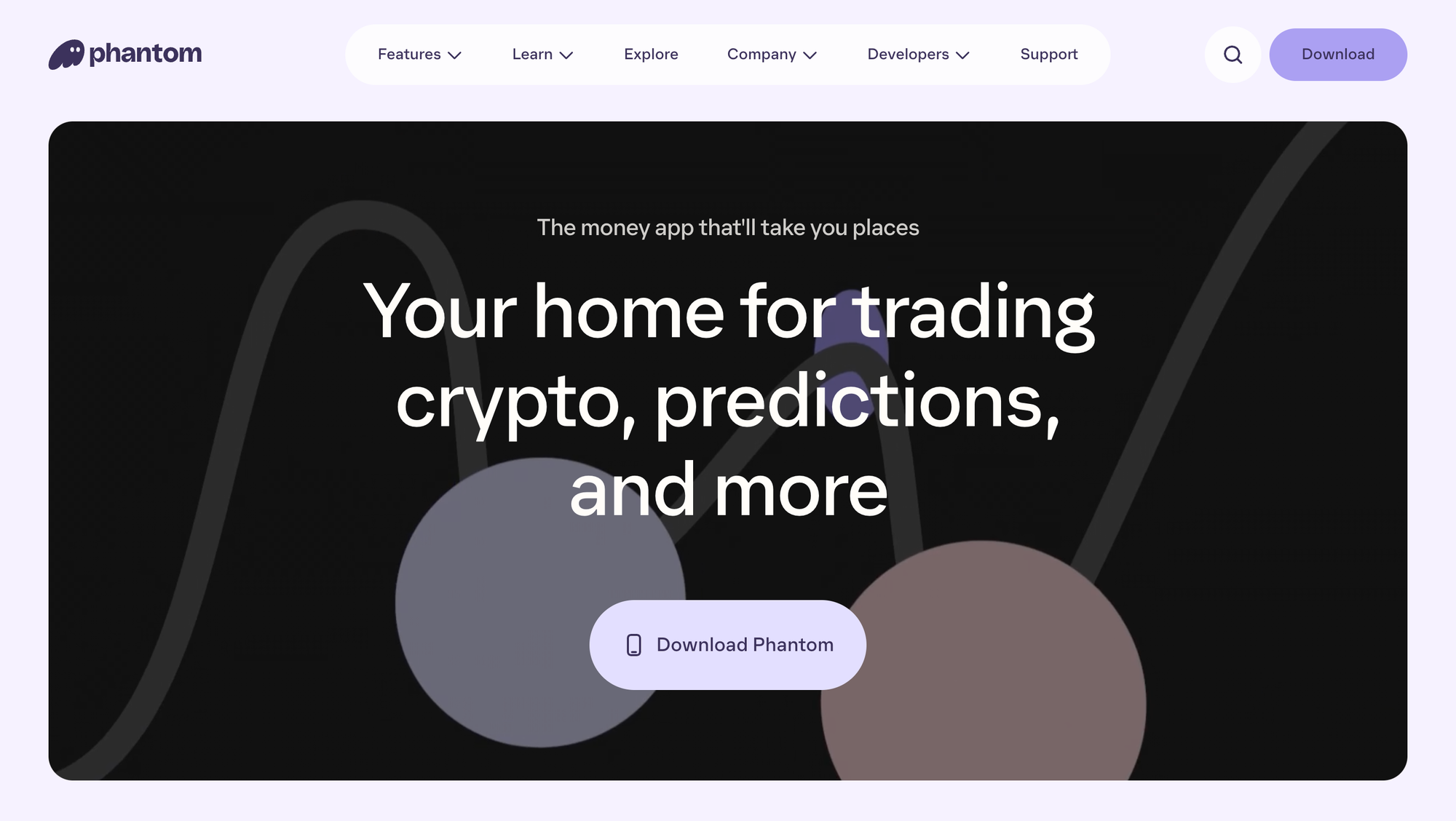
Phantom is the default Solana wallet, with around 20 million monthly active users and over $25 billion in self-custodied assets. It is the only major Solana-first wallet with a built-in lending UI, routing USDC deposits to Kamino or marginfi. It also added Ethereum, Polygon, Base, and Bitcoin support, though EVM still feels secondary.
Backpack
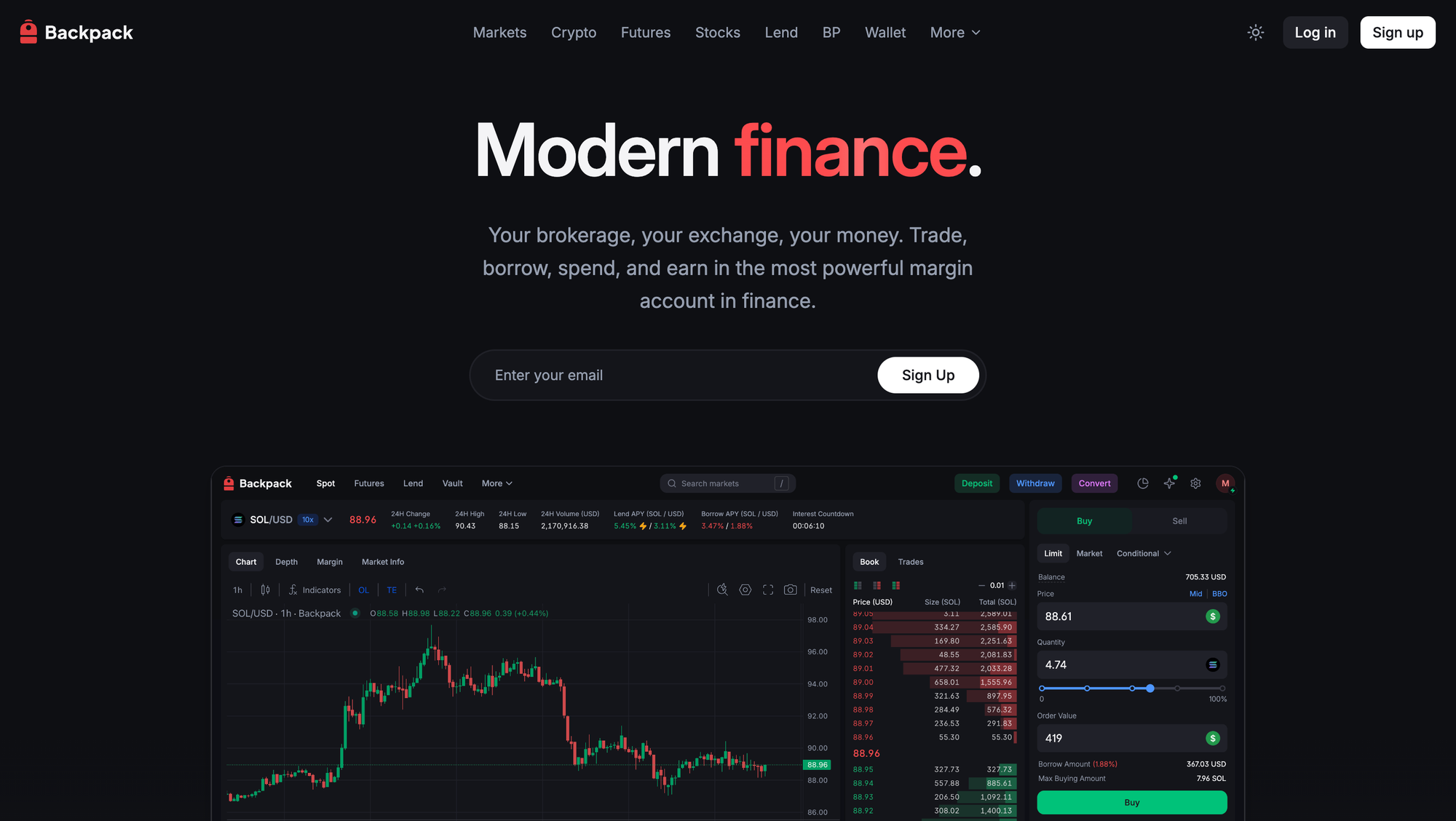
Backpack ships a similar Solana-native profile but targets active traders. It offers zero-fee swaps and an integrated regulated exchange, with instant transfers between wallet and exchange. It also handles EVM, useful when a USDC flow crosses Solana and Ethereum.
Solflare
Solflare is one of the oldest Solana wallets, built exclusively for the chain. It offers the most granular staking controls of the three, plus its own Solflare Shield hardware device. It also ships a Mastercard for spending USDC straight from self-custody.
Side-by-side: Solana stablecoin wallets
| Wallet | Best for | Stablecoin edge |
|---|---|---|
| Phantom | Everyday Solana users | Built-in USDC lending via Kamino |
| Backpack | Active traders | Zero-fee swaps, in-app exchange |
| Solflare | Spending USDC | Mastercard from self-custody |
Feature notes from Reel Financial, Yellow, and Eco wallet guides. As of mid-2026 and subject to change.
Which wallets are best for multi-chain EVM?
If your stablecoins live across Ethereum, Base, Arbitrum, and Polygon, the contest is between Rabby and the issuer-backed options. Each handles fees, safety, and chain-switching differently.
Rabby
Rabby is the EVM power-user pick. It shows a pre-sign transaction preview and handles multi-chain switching that MetaMask does awkwardly. For USDC holders farming yield across several EVM chains, it shows net position and risk on one screen.
Coinbase Wallet
Coinbase Wallet is the cleanest USDC experience on Base. It offers gas sponsorship on Base, the single best fee experience for USDC anywhere. It also pays a centralized rewards rate on idle USDC once you opt in.
Trust Wallet
Trust Wallet is the broadest catch-all, with USDC across 70-plus chains including smaller ones like Aptos, Sui, and BNB Chain. Its dApp browser unlocks Aave across EVM chains. For most users it is a strong mobile-first secondary wallet.
Side-by-side: multi-chain EVM wallets
| Wallet | Best for | Honest weakness |
|---|---|---|
| Rabby | Safe multi-chain DeFi | Desktop-first, smaller user base |
| Coinbase Wallet | USDC on Base | No TRON support |
| Trust Wallet | Widest chain coverage | Secondary, not a DeFi cockpit |
Comparison drawn from Eco and Traders Union wallet guides. As of mid-2026 and subject to change.
Which wallets earn yield on idle stablecoins?
A yield-bearing wallet routes idle balances into on-chain savings through its own UI, not a third-party dApp tab. The user signs once, and the earning balance shows on the home screen. Argent and Coinbase Wallet pioneered the pattern.
Argent has shipped native earn the longest, letting users tap one button to deposit USDC into Aave or USDS into the Sky Savings Rate. Coinbase Wallet paid a 4.7% USDC rewards rate in May 2026, a corporate payout rather than on-chain yield. Phantom routes Solana USDC into Kamino, where supply APRs ran higher through 2025.
Yield posture by wallet
| Wallet | Yield route | Type |
|---|---|---|
| Argent | Aave V3, Sky Savings Rate | On-chain, one-tap |
| Coinbase Wallet | USDC Rewards (~4.7%, May 2026) | Custodial rewards |
| Phantom | Kamino / marginfi | On-chain lending |
| Rabby / Trust / Backpack | External dApp connect | No native earn |
Yield data from Eco and each wallet’s documentation; DeFiLlama Yields, May 2026 snapshot. Rates fluctuate.
What is the outlook for stablecoin wallets in 2026-2027?
The clear direction is wallets becoming payment apps. Spending cards, gas sponsorship, and built-in yield are converging into the daily driver. As stablecoins turn into payment rails, the wallet that hides chain complexity wins mainstream users.
Regulation will shape the perimeter. The GENIUS Act and MiCA push KYC and reserve rules toward the wallet edge, and USDC’s regulatory standing keeps its compliance advantage for US and EU users.
Key risks
- Approval scams: the riskiest click is still “approve” on any wallet.
- Custodial counterparty: rewards rates carry the provider’s risk, not pure self-custody.
- Chain lock-in: a wallet tied to one chain strands you during outages.
Recommendations for choosing
- Match the wallet to where your stablecoins actually move.
- Prefer wallets that simulate transactions before you confirm.
- Use Safe for any shared treasury or business funds.
Conclusion
There is no universal MetaMask replacement in 2026; the corridor decides. Solana-heavy users want Phantom or Backpack, Base-heavy users want Coinbase Wallet, and multi-EVM farmers want Rabby. Treasuries want Safe.
The tooling has never been better, with gas sponsorship, native yield, and transaction simulation now standard across the better wallets. The flip side is that the right choice depends entirely on your own stablecoin flow.
A final word on the numbers: yields and chain support move fast and will drift within weeks. Use the linked sources as starting points, and verify current rates before you commit.
FAQ
1. What is the best MetaMask alternative for stablecoins?
It depends on your chain. Phantom or Backpack are best for USDC on Solana, Coinbase Wallet for USDC on Base, and Rabby for multi-chain EVM DeFi. Many users keep two wallets for different corridors.
2. Which wallet has the lowest stablecoin fees?
On Solana, Phantom and Backpack benefit from sub-cent network fees, and Backpack offers zero-fee swaps. On Base, Coinbase Wallet sponsors gas on USDC transfers, the cheapest USDC experience anywhere.
3. Are these wallets non-custodial?
Phantom, Rabby, Trust Wallet, Backpack, Coinbase Wallet, and Safe are all non-custodial, meaning you hold the keys. Coinbase Wallet is separate from the custodial Coinbase exchange account.
4. Can I earn yield on stablecoins in these wallets?
Yes, in some. Argent, Coinbase Wallet, and Phantom surface earn directly in the UI, while Rabby, Trust Wallet, and Backpack require connecting to an external dApp. Yields typically range from about 3% to 8% in 2026.
5. Which wallet is best for businesses?
Safe is the standard for treasuries because it requires multiple signers to authorize any movement and integrates with hardware wallets. DAOs and crypto-native funds use it almost universally.



)