
Table of Contents
As geopolitical tensions escalate and oil shocks tied to the Iran conflict drive renewed inflation fears, a new stablecoin is drawing attention for its unconventional approach.
CoinDesk recently published coverage of USDi, an inflation-linked stablecoin co-founded by macro strategist Michael Ashton and fintech entrepreneur Andrew Fately.
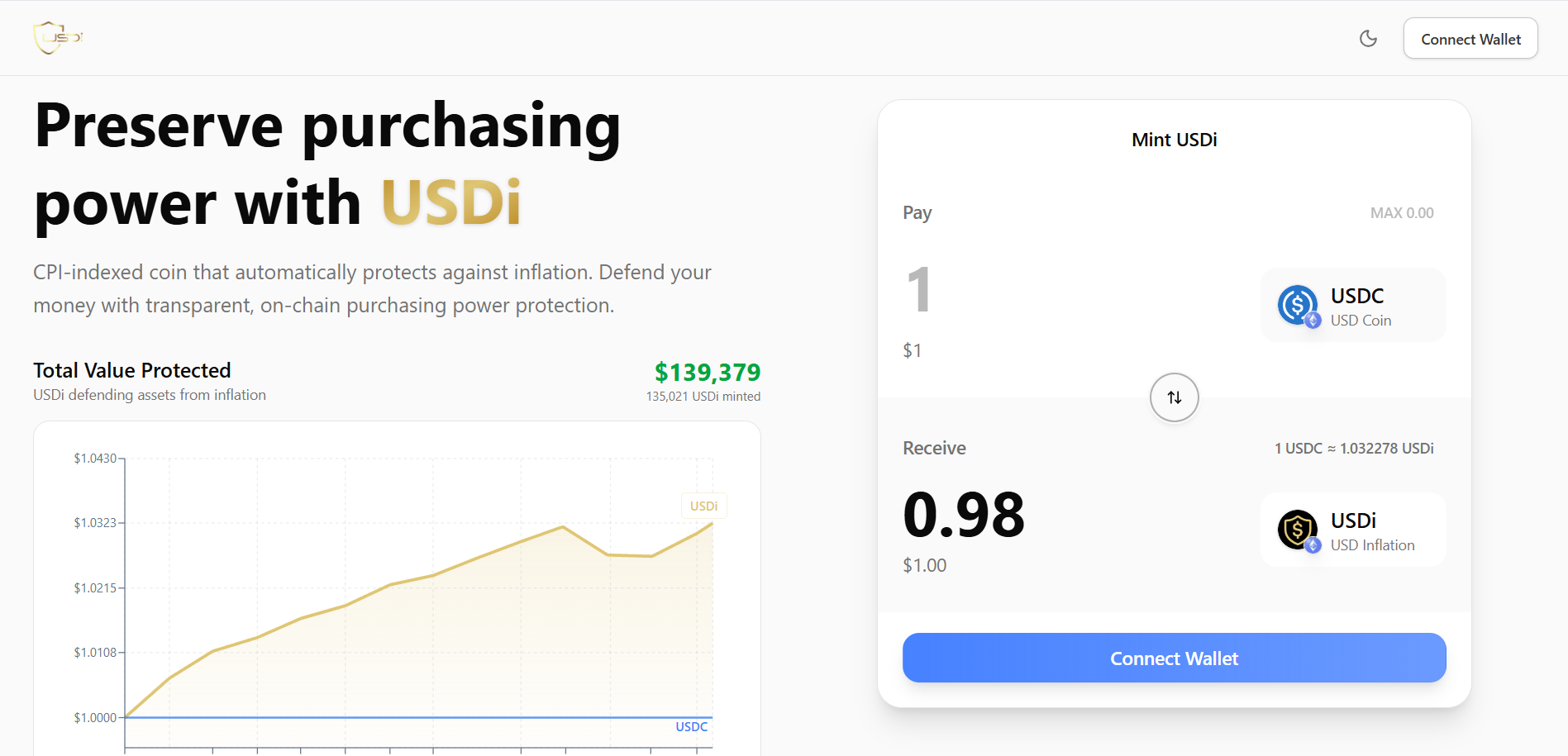
Unlike traditional stablecoins pegged to the nominal U.S. dollar, USDi is engineered to track the U.S. Consumer Price Index (CPI), aiming to preserve real purchasing power rather than just nominal value.
Key Takeaways
- CPI-Linked Stability: USDi tracks the U.S. Consumer Price Index instead of a fixed $1 peg, helping users preserve real purchasing power during inflationary periods.
- Strategic Backing: Reserves are allocated to low-volatility assets such as TIPS and commodities, creating a robust and transparent collateral structure.
- Customizable Hedging: Users can adjust inflation protection to match personal or institutional requirements, adding flexibility not found in most stablecoins.
- Timely Launch: The token’s emergence coincides with rising oil prices linked to Iran-related geopolitical tensions, amplifying demand for inflation-hedging crypto tools.
- Growth Momentum: Already live and trading, USDi is seeking roughly $1.5 million in seed funding to accelerate development and adoption.
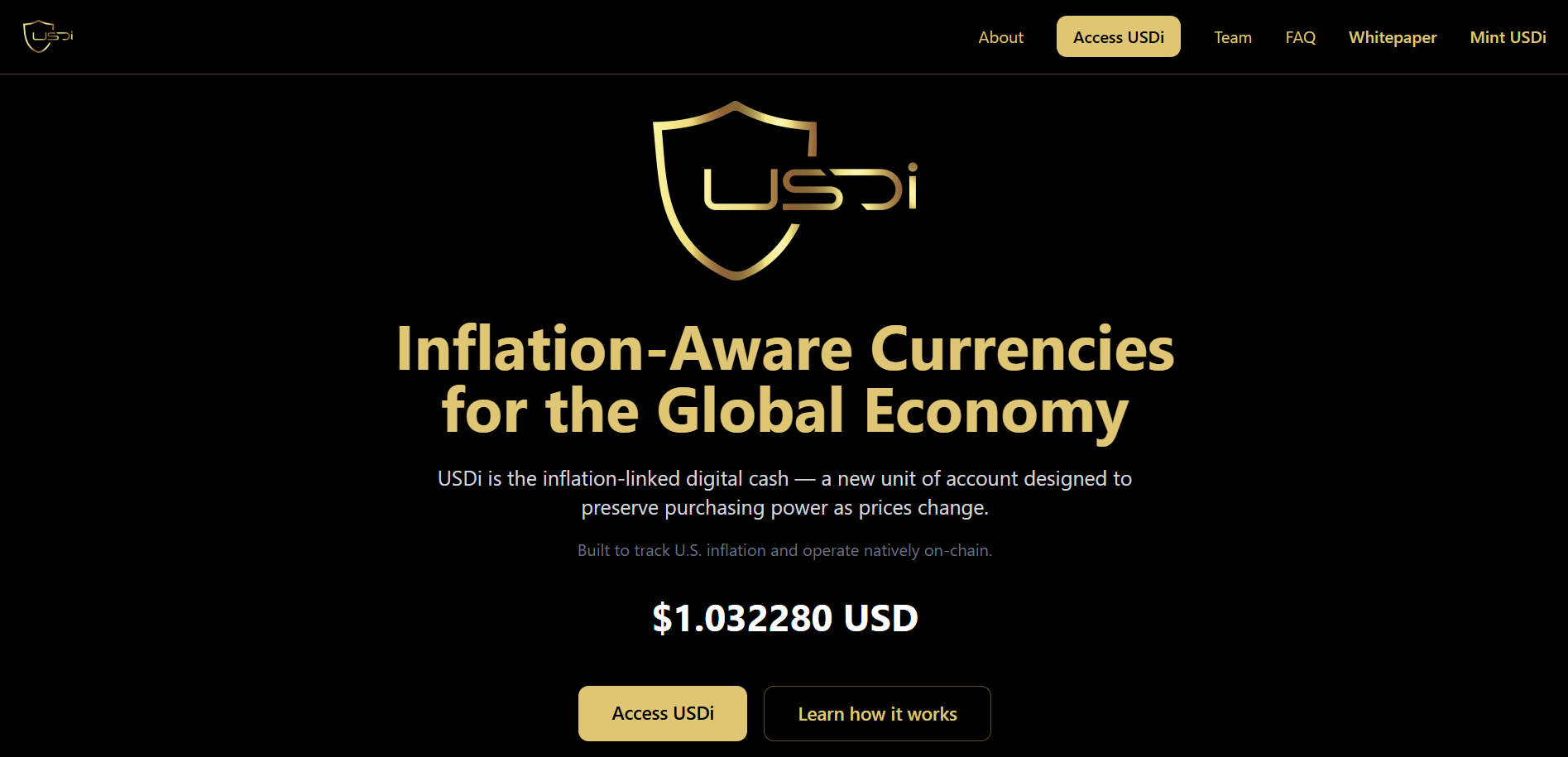
The token is already circulating on blockchain networks and is reportedly in talks to raise approximately $1.5 million in seed funding.
Its launch comes at a moment when investors are actively seeking tools to hedge against eroding buying power caused by persistent inflation pressures.
How USDi Works
USDi’s design addresses a core limitation of conventional stablecoins: while they protect against crypto volatility, they offer no safeguard against the steady erosion of the dollar’s real value through inflation.
By linking its value to CPI data, USDi automatically adjusts to reflect changes in consumer prices, providing holders with a more stable store of value in real economic terms.
The project backs the token with reserves held in low-volatility instruments, including Treasury Inflation-Protected Securities (TIPS) and a diversified basket of commodities.
This conservative reserve strategy is intended to minimize risk while enabling the coin to deliver inflation-adjusted returns.
Additionally, USDi offers customizable inflation hedging features, allowing users to tailor exposure levels based on their individual risk tolerance and portfolio needs.
Conclusion
In an environment where traditional safe-haven assets are increasingly vulnerable to macroeconomic shocks, USDi represents a forward-looking innovation in decentralized finance.
By directly addressing inflation risk through CPI tracking and prudent reserves, the stablecoin offers investors a practical way to protect wealth without exiting the crypto ecosystem.
As global uncertainty persists, projects like USDi could play a growing role in helping both retail and institutional participants navigate volatile economic conditions.
The coming months of funding discussions and market performance will likely determine whether this inflation-linked model becomes a standard feature in the next generation of stablecoins.
Read Next:
- Rise Stablecoin Payroll Review 2026
- The Role of Stablecoins in Monetary Policy Transmission
- The Neobank Transition Report
FAQs:
1. What is the USDi stablecoin?
USDi is an inflation-linked stablecoin designed to track the U.S. Consumer Price Index (CPI) rather than the nominal dollar. It aims to maintain real purchasing power for holders.
2. How does USDi differ from regular stablecoins like USDT or USDC?
Traditional stablecoins maintain a 1:1 peg to the U.S. dollar. USDi instead adjusts its value according to official CPI data, protecting users against inflation-driven loss of purchasing power.
3. Who founded USDi and what is its backing?
USDi was co-founded by Michael Ashton and Andrew Fately. It is backed by low-volatility reserves including Treasury Inflation-Protected Securities (TIPS) and commodities.
4. Is USDi already available and what is its funding status?
Yes, the token is already circulating. The project is currently seeking approximately $1.5 million in seed funding to support further growth.
5. Why is USDi gaining attention now?
Rising geopolitical tensions and oil shocks connected to the Iran conflict have heightened inflation concerns, making CPI-tracking tools like USDi increasingly relevant for investors seeking inflation hedges.
Disclaimer:
This content is provided for informational and educational purposes only and does not constitute financial, investment, legal, or tax advice; no material herein should be interpreted as a recommendation, endorsement, or solicitation to buy or sell any financial instrument, and readers should conduct their own independent research or consult a qualified professional.