
Table of Contents
Tokyo, Japan - January 26, 2026.
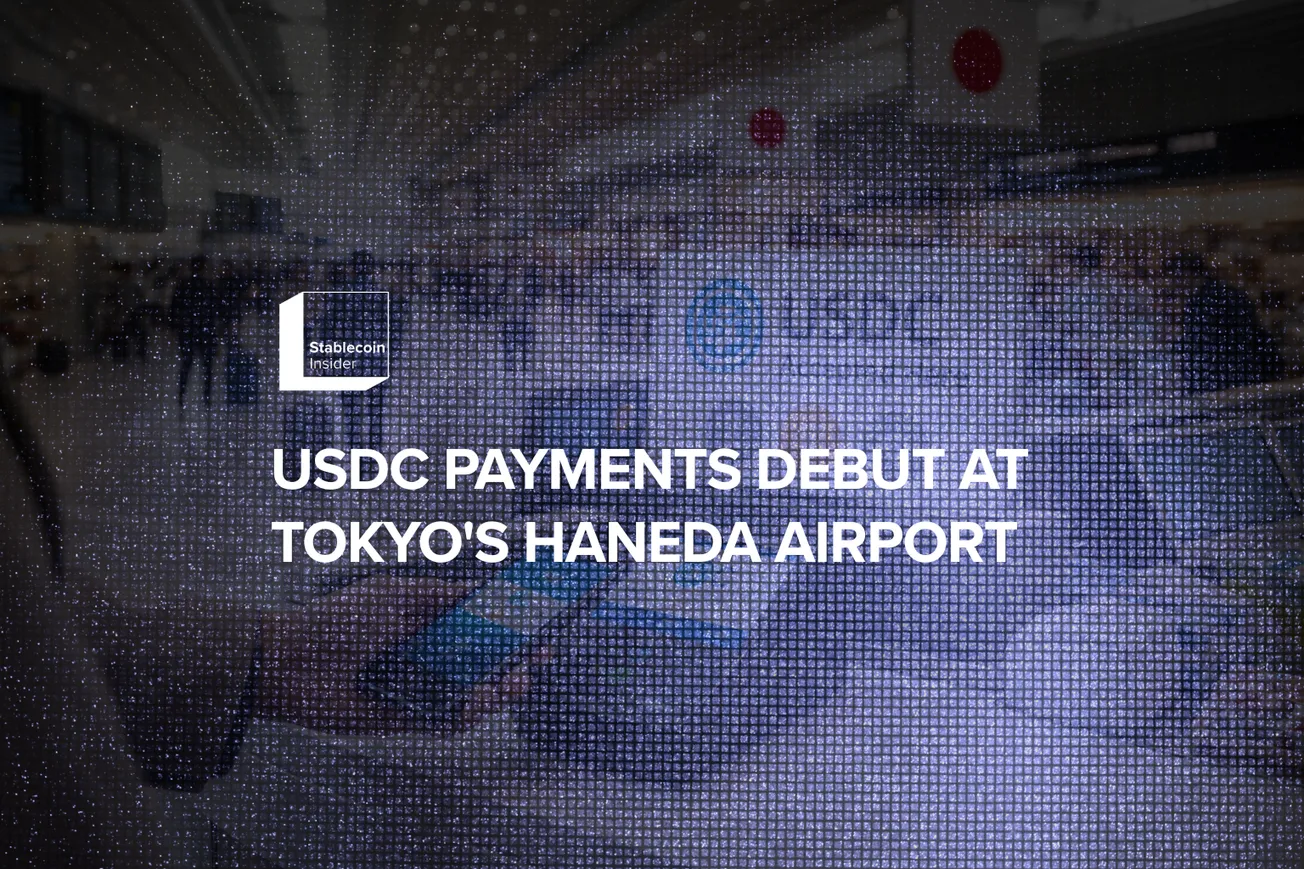
In a move signaling growing mainstream adoption of cryptocurrencies, Netstars Co., Ltd., in collaboration with Japan Airport Building Co., Ltd., has launched Japan's first in-store payment pilot using the USDC stablecoin at two retail outlets in Haneda Airport's Terminal 3.
The initiative, which began today, allows travelers to make purchases via QR code using the dollar-pegged digital currency, testing its practicality for both merchants and international visitors.
Key Takeaways
- Launch Details: Netstars pilots USDC QR payments at Haneda Terminal 3's Edo Shokuhinkan and Edo Event Pavilion, Jan 26-Feb 28, 2026.
- Payment Mechanics: Scan QR, transfer USDC from wallet; instant yen conversion via StarPay on Solana for volatility-free settlements.
- User Benefits: Simplifies currency exchange for tourists; low-cost, stable cross-border transactions vs. credit cards.
- Partnerships: WEA Japan and NetX provide AI-trusted infrastructure to integrate fiat and crypto securely.
- Expansion Potential: Gather feedback for scaling to more stores; positions Japan as crypto adoption leader in retail.
Pilot Program Details
The pilot program is active at Edo Shokuhinkan (also known as the Edo Food Pavilion) and the Edo Event Pavilion, two stores specializing in Japanese souvenirs and cultural items within the airport's international terminal.
Shoppers can scan a QR code at the point of sale, transfer USDC from compatible digital wallets, and complete transactions seamlessly.
On the merchant side, Netstars' StarPay gateway facilitates real-time conversion of USDC to Japanese yen, ensuring businesses receive fiat currency without exposure to crypto volatility.
This setup takes advantage of the blockchain technology, specifically the Solana network, for efficient on-chain settlements.
Timeline and Objectives
The demonstration runs from January 26 to February 28, 2026, and aims to evaluate the convenience of stablecoin payments for inbound tourists, who often face currency exchange hurdles.
Netstars, a leading QR code payment gateway provider in Japan, highlighted the project's potential to bridge traditional finance and Web3 technologies.
Partners including WEA Japan and the AI-powered network NetX are supporting the infrastructure, with NetX providing trusted computing for secure and verifiable transactions.
Broader Context in Japan
This launch comes amid broader efforts in Japan to integrate stablecoins into everyday commerce.
Earlier this month, fintech firm Netstars announced plans to accept USDC at select Haneda merchants, aligning with national initiatives to modernize payment systems.
Industry observers note that Japan's regulated environment for digital assets positions it as a leader in real-world crypto applications, potentially influencing global adoption.

USDC's Role and Benefits
USDC, issued by Circle and backed 1:1 by U.S. dollar reserves, has seen increasing use in cross-border payments due to its stability and low transaction costs compared to traditional methods like credit cards.
At Haneda, one of the world's busiest airports handling millions of passengers annually, the pilot could expose stablecoins to a diverse audience, from tech-savvy travelers to those new to digital currencies.
Merchant and User Feedback
Merchants participating in the program report enthusiasm for the added payment option, which could reduce fees and streamline settlements.
Feedback from users during the trial will help refine the system, with potential expansion to more stores or airports if successful.
Future Implications
As cryptocurrency continues to evolve from speculative asset to practical tool, initiatives like this at Haneda underscore Japan's proactive stance in fostering innovation while maintaining regulatory oversight.
Travelers passing through Terminal 3 are encouraged to try the USDC payment method and provide input to shape the future of global finance.

Conclusion
The introduction of USDC stablecoin payments at Haneda Airport marks a significant step toward integrating digital currencies into everyday transactions, particularly in high-traffic international hubs.
By enabling seamless QR code payments at select stores, this pilot program not only addresses practical challenges for travelers but also demonstrates Japan's forward-thinking approach to fintech innovation.
If successful, it could pave the way for broader adoption of stablecoins across retail and tourism sectors, blending the efficiency of blockchain with the stability of traditional finance.
Read Next:
- How Stablecoin Institutions Can Build $1T+ Revenue Streams in 2026
- 2025 Stablecoin Spending Report
- Who Is Winning the Stablecoin Infrastructure Race?
FAQs:
1. What is the USDC stablecoin payment pilot at Haneda Airport?
The USDC stablecoin payment pilot at Haneda Airport allows travelers to use the dollar-pegged digital currency for purchases via QR code at two stores in Terminal 3, testing real-world crypto adoption for merchants and international visitors.
2. How do USDC payments work at Haneda Airport stores?
Shoppers scan a QR code at the point of sale, transfer USDC from their digital wallets, and complete transactions instantly, with merchants receiving Japanese yen through real-time conversion to avoid crypto volatility.
3. Which stores accept USDC at Haneda Airport Terminal 3?
USDC payments are available at Edo Shokuhinkan (Edo Food Pavilion) and Edo Event Pavilion, both offering Japanese souvenirs and cultural items for inbound tourists.
4. When does the USDC payment trial at Haneda run?
The demonstration period for USDC stablecoin payments at Haneda Airport is from January 26 to February 28, 2026, evaluating convenience for tourists facing currency exchange issues.
5. Why is Japan launching USDC payments at airports?
Japan's regulated digital asset environment supports integrating stablecoins into commerce, aligning with national efforts to modernize payment systems and bridge traditional finance with Web3 technologies.
6. What benefits do stablecoin payments offer travelers and merchants?
Stablecoin payments like USDC provide low transaction costs, stability, and efficiency for cross-border use, reducing fees for merchants and simplifying currency hurdles for international travelers.
Disclaimer:
This content is provided for informational and educational purposes only and does not constitute financial, investment, legal, or tax advice; no material herein should be interpreted as a recommendation, endorsement, or solicitation to buy or sell any financial instrument, and readers should conduct their own independent research or consult a qualified professional.