Table of Contents
World Liberty Financial’s USD1 stablecoin has rolled out live, on-chain verification of its reserves, marking a major transparency breakthrough in the $200+ billion stablecoin sector.
The new system uses Chainlink’s Proof of Reserve (PoR) mechanism to continuously confirm that every USD1 token is fully backed 1:1 by short-term U.S.
Treasuries and cash equivalents held at regulated custodian BitGo.
Key Takeaways
- $4.7 Billion Confirmed Reserves: Short-term U.S. Treasuries and cash equivalents custodied at BitGo are now verifiable in real time.
- First Instant On-Chain PoR: Chainlink’s mechanism provides continuous, blockchain-native proof—setting a new industry standard.
- Post De-Pegging Transparency: Launched in direct response to recent market concerns, restoring user trust.
- Multi-Chain Accessibility: Live data available across Ethereum, Solana, BNB Chain, and additional networks.
- Programmable Verification: Smart contracts can now query USD1’s reserve status automatically before any interaction.
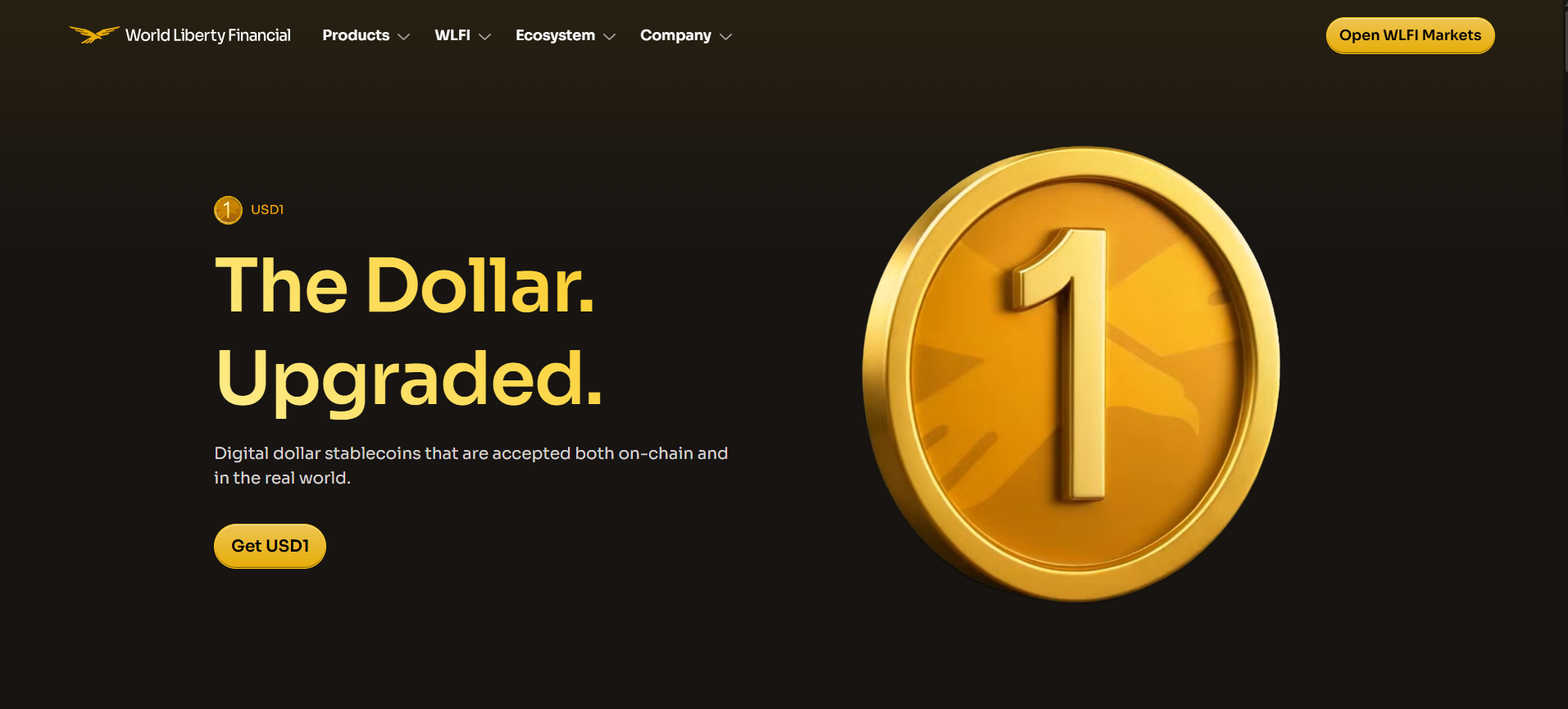
As of the latest on-chain data, reserves stand at approximately $4.7 billion. This real-time dashboard allows users and smart contracts to verify collateralization instantly across multiple blockchains, including Ethereum, Solana, and BNB Chain.
The move comes shortly after a de-pegging scare that rattled confidence in the token, positioning USD1 as the first stablecoin to deliver instantaneous, verifiable Proof of Reserves directly on-chain.
Key Details of the Upgrade
The system integrates Chainlink’s Runtime Environment (CRE), which automatically pulls cryptographically signed reserve data from BitGo, validates it, and publishes the results on-chain every few minutes.
Users and protocols can now check the exact collateralization ratio, total supply, and reserve composition without relying on delayed audits or off-chain reports.
This addresses long-standing concerns in the stablecoin industry, where opaque reserves have historically led to market volatility.
By making verification programmable and continuous, USD1 enables DeFi protocols to programmatically confirm backing before executing large transactions or minting new tokens.
Conclusion
USD1’s live Proof of Reserves represents a pivotal step forward for stablecoin reliability and regulatory readiness.
By combining BitGo’s institutional-grade custody with Chainlink’s battle-tested oracle technology, World Liberty Financial has delivered the most transparent stablecoin infrastructure to date.
As the industry faces growing scrutiny, this innovation could accelerate mainstream adoption and set the benchmark for future issuers seeking to prove they are truly “fully backed.”
Read Next:
FAQs:
1. What is USD1 stablecoin?
USD1 is a U.S. dollar-pegged stablecoin issued by World Liberty Financial (WLFI), designed for seamless DeFi use while maintaining 1:1 backing with cash and short-term Treasuries.
2. How does the new live Proof of Reserves work?
Chainlink’s system continuously pulls verified data directly from BitGo, validates it cryptographically, and writes the results on-chain. This allows instant, trustless checks of reserves and collateralization ratio.
3. Why is this considered a transparency breakthrough?
Unlike traditional monthly attestations, USD1 offers real-time, on-chain verification, the first of its kind for any major stablecoin, eliminating delays and opacity that fueled past de-pegging scares.
4. What reserves back USD1 right now?
Approximately $4.7 billion in short-term U.S. Treasuries and cash equivalents, fully custodied at BitGo and viewable live on-chain.
5. Can anyone verify the reserves?
Yes, anyone can check the data directly on supported blockchains or through integrated dashboards and DeFi protocols that query the Chainlink feed.
Disclaimer:
This content is provided for informational and educational purposes only and does not constitute financial, investment, legal, or tax advice; no material herein should be interpreted as a recommendation, endorsement, or solicitation to buy or sell any financial instrument, and readers should conduct their own independent research or consult a qualified professional.