Table of Contents
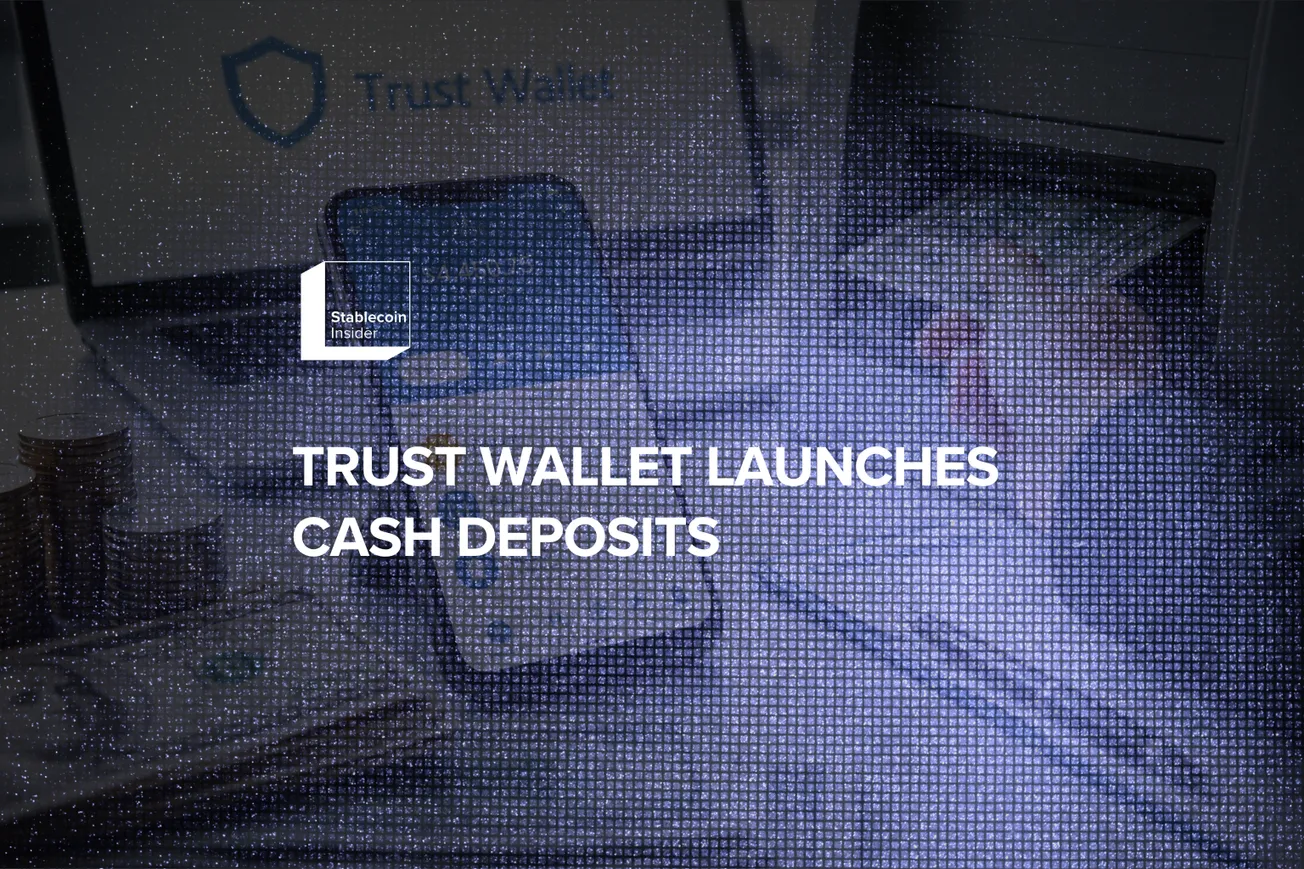
In a strategic advancement aimed at enhancing financial inclusivity, Trust Wallet has launched its Cash Deposits functionality within the United States.
This initiative enables users to seamlessly convert fiat currency into digital assets, including stablecoins and prominent cryptocurrencies, at more than 15,000 retail establishments through a collaboration with Coinme.
Notably, this service obviates the necessity for a traditional banking account, thereby broadening accessibility to the decentralized finance ecosystem.
Key Takeaways
- Enhanced Accessibility: Facilitates cash-to-crypto conversions at over 15,000 ubiquitous retail locations via Coinme, sans banking prerequisites.
- Self-Custodial Integrity: Assets are disbursed directly into the Trust Wallet, preserving user autonomy devoid of custodial dependencies.
- Asset Diversity: Encompasses stablecoins (e.g., USDC) alongside major cryptocurrencies such as BTC and SOL.
- Geographic Ubiquity: Operational across the majority of U.S. states, targeting underserved cohorts to promote equitable financial participation.
- Regulatory and Operational Efficacy: Underpinned by Coinme's compliant framework, ensuring secure and streamlined transactional experiences.
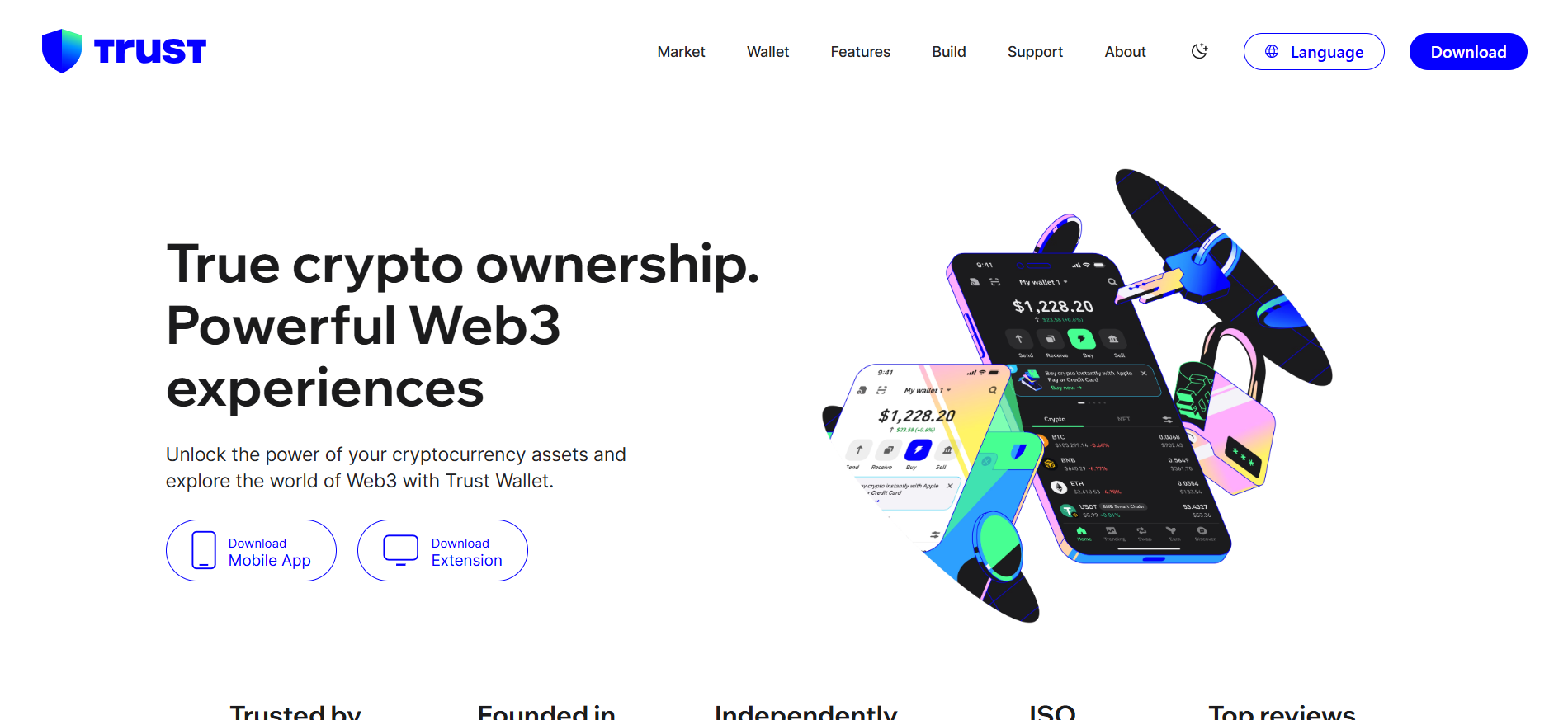
The integration addresses persistent barriers to cryptocurrency adoption, particularly among unbanked and underbanked demographics.
With an expansive user base exceeding 220 million globally, Trust Wallet emphasizes self-custodial principles, ensuring users retain sovereign control over their assets.
Funds are directly allocated to the user's wallet post-blockchain verification, mitigating intermediary risks.
Operational Mechanics
Utilizing the Trust Wallet application, individuals generate a unique deposit code or barcode. This is subsequently presented at participating retail venues, encompassing supermarkets and convenience stores, where cash is exchanged for the selected cryptocurrency.
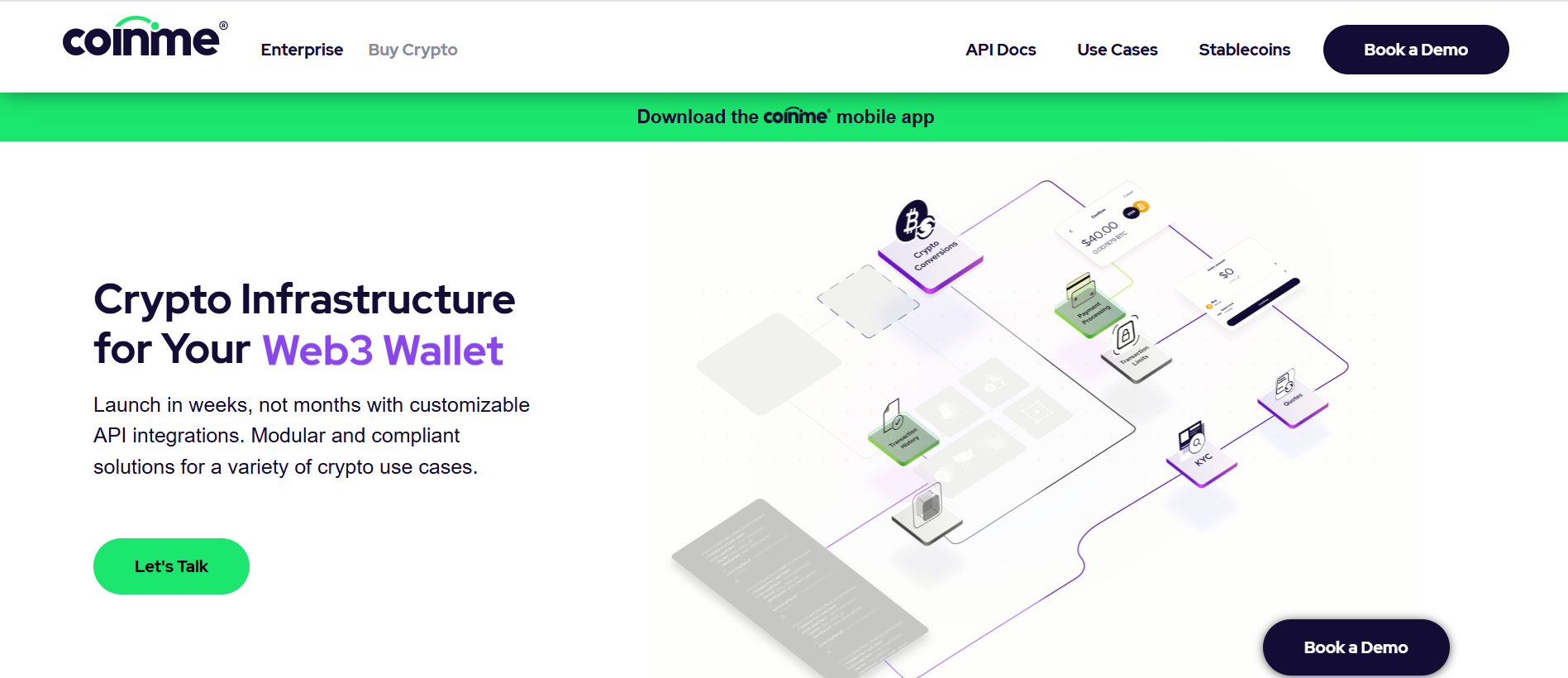
The transaction takes advantage of Coinme's strong, regulatory-compliant infrastructure, facilitating expeditious processing with minimal developmental overhead for Trust Wallet.
This methodology is particularly pertinent in the context of escalating cryptocurrency utilization.
Stablecoins such as USDC provide volatility-hedged utility for routine transactions, whereas assets like Bitcoin (BTC) and Solana (SOL) afford exposure to dynamic market opportunities.
By circumventing conventional financial intermediaries, the feature empowers cash-dependent populations, including freelance professionals and migrant workers, to engage in Web3 paradigms.
Conclusion
The advent of Trust Wallet's Cash Deposits represents a pivotal progression in democratizing cryptocurrency access, harmonizing tangible currency with digital innovation.
Through its alliance with Coinme, Trust Wallet not only augments its platform's versatility but also catalyzes socioeconomic empowerment for marginalized communities.
As the cryptocurrency landscape matures, such pioneering solutions are poised to expedite widespread integration, rendering Web3 more attainable for diverse American constituencies.
Read Next:
- BVNK's Stablecoin Utility Report 2026
- The U.S. Stablecoin Regulatory Reset
- 50 Stablecoin Statistics That Matter in 2026
FAQs:
1. What constitutes Trust Wallet's Cash Deposits functionality?
A mechanism permitting U.S. users to transmute physical currency into cryptocurrencies, including BTC, SOL, and stablecoins, at retail outlets without banking requisites.
2. How extensive is the retail network for Cash Deposits?
Encompassing upwards of 15,000 locations nationwide, fortified by Coinme's infrastructure.
3. Is a banking account mandatory for utilization?
Negative; the service is tailored for cash-reliant individuals, eschewing bank or debit card dependencies.
4. Which digital assets are procurable?
Stablecoins akin to USDC, in addition to BTC, SOL, and assorted others.
5. What assurances exist regarding security?
Transactions adhere to self-custodial protocols, bolstered by Coinme's regulated architecture.
Disclaimer:
This content is provided for informational and educational purposes only and does not constitute financial, investment, legal, or tax advice; no material herein should be interpreted as a recommendation, endorsement, or solicitation to buy or sell any financial instrument, and readers should conduct their own independent research or consult a qualified professional.