

Table of Contents
Standard Chartered has teamed up with DCS Card Centre to introduce DeCard, a groundbreaking credit card that lets users spend stablecoins directly at physical retail stores in Singapore.
This partnership represents a major leap in merging cryptocurrency with traditional banking, allowing seamless real-world transactions without the need for upfront conversions to fiat currency.
Launched today, the initiative starts in Singapore with eyes on potential global rollout, highlighting the city's role as a fintech hub.
Key Takeaways
- DeCard bridges the gap between stablecoins and everyday retail payments, enabling users to spend digital assets like cash at physical stores.
- Standard Chartered serves as the principal banking partner, offering virtual accounts, API connectivity, and foreign exchange services for smooth operations.
- This move positions Singapore at the forefront of crypto integration, potentially boosting adoption by making stablecoins more practical for daily use.
- Users gain from secure, instant settlements and reduced friction in crypto spending, fostering greater financial inclusion in the digital economy.
Background on the Partnership
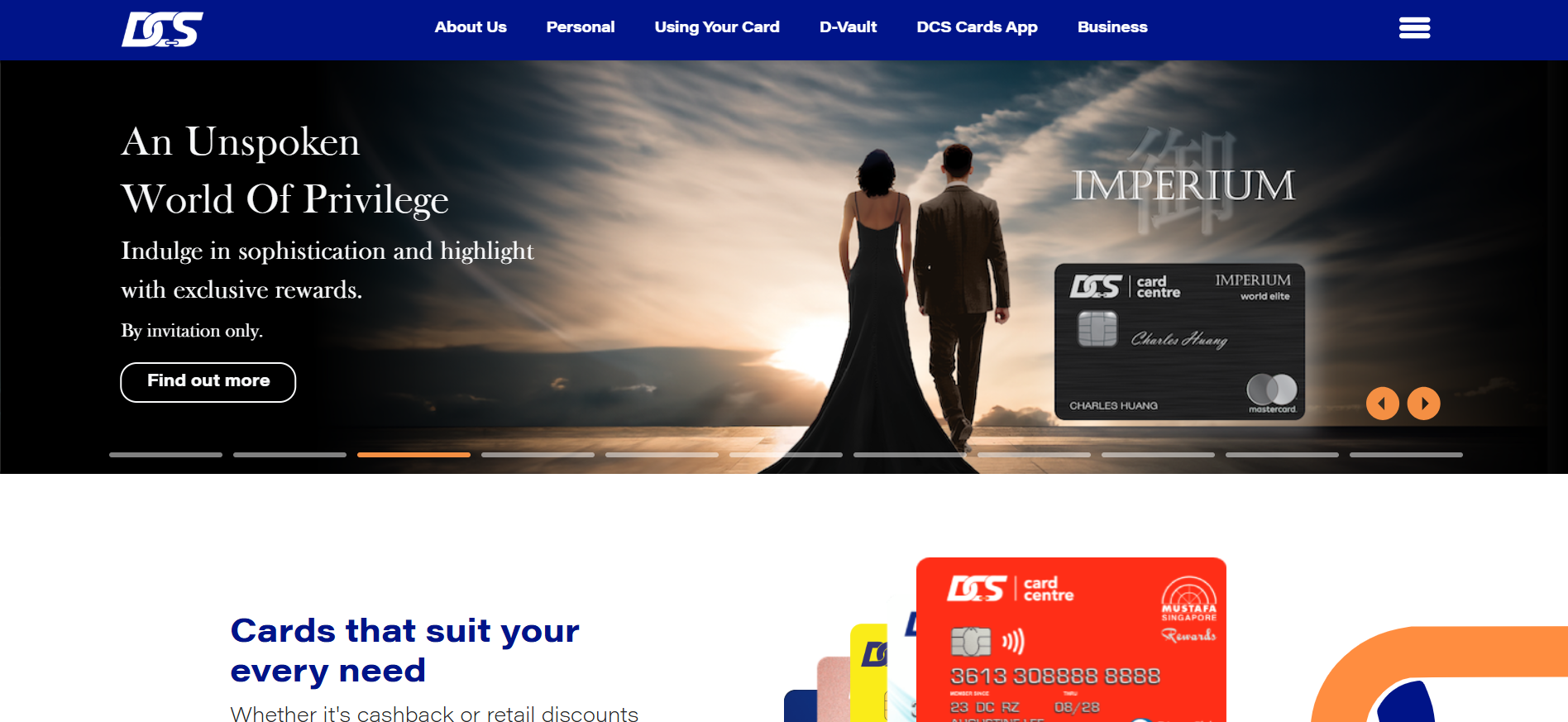
Standard Chartered, a global banking leader with a strong presence in Asia, has long been exploring digital assets to innovate financial services. DCS Card Centre, formerly known as Diners Club Singapore and a key player in card issuance for over 40 years, brings expertise in payment solutions.
The collaboration stems from Singapore's supportive regulatory environment for stablecoins and a rising demand for hybrid finance products.
By combining Standard Chartered's banking infrastructure with DCS's card technology, the duo aims to make stablecoins a viable option for mainstream consumers.
How DeCard Works
DeCard functions like a traditional credit card but is powered by stablecoins. Users load supported stablecoins onto virtual accounts managed by Standard Chartered, which handles foreign exchange conversions and real-time settlements.
When swiping at a point-of-sale terminal, the transaction processes seamlessly through existing payment networks, with DCS ensuring card issuance and security.
Key features include encryption, fraud protection, and compatibility with major stablecoins, eliminating the volatility risks associated with other cryptocurrencies.
Implications for Fintech and Crypto Adoption
This launch could accelerate the mainstreaming of stablecoins by demonstrating their utility in everyday scenarios, potentially inspiring similar products worldwide. It addresses key barriers like conversion fees and regulatory uncertainty, while enhancing financial access for unbanked populations familiar with crypto.
However, challenges remain, including regulations and market education. Analysts predict this could pave the way for broader bank-crypto integrations, with Standard Chartered eyeing expansions to other markets.
Conclusion
The DeCard launch by Standard Chartered and DCS Card Centre marks a pivotal moment in fintech, seamlessly blending stablecoins into retail payments and underscoring Singapore's innovation leadership.
As digital assets improve, initiatives like this could redefine how we shop, pay, and bank in a crypto-integrated world.
Read Next:
- The 2025 STABLE Act: Complete Breakdown of America's New Stablecoin Regulation
- OpenOcean Cross-Chain Aggregator: Complete Breakdown for 2025
- The Best Stablecoin Bridges in 2025: Safety Ratings and More
FAQs:
1. What is DeCard and how does it use stablecoins for payments?
DeCard is a credit card launched by Standard Chartered and DCS Card Centre, allowing users to spend stablecoins directly at physical stores in Singapore without prior fiat conversion.
2. How does Standard Chartered's partnership with DCS Card Centre work for DeCard?
Standard Chartered acts as the principal banking partner, providing FX services and settlements to enable stablecoin transactions via DeCard.
3. Is DeCard available outside Singapore, and what are the expansion plans?
Currently launched in Singapore, DeCard has plans for global expansion, though specific timelines are not yet detailed.
4. What benefits do stablecoin users get from DeCard in retail shopping?
Users enjoy seamless, secure payments with reduced fees and no need for crypto-to-fiat exchanges, making everyday retail more crypto-friendly.
5. How does DeCard impact the integration of cryptocurrency into traditional finance?
It bridges the gap between digital assets and everyday banking, potentially accelerating mainstream adoption of stablecoins in global retail.