Table of Contents
Tashkent, Uzbekistan, November 29, 2025:
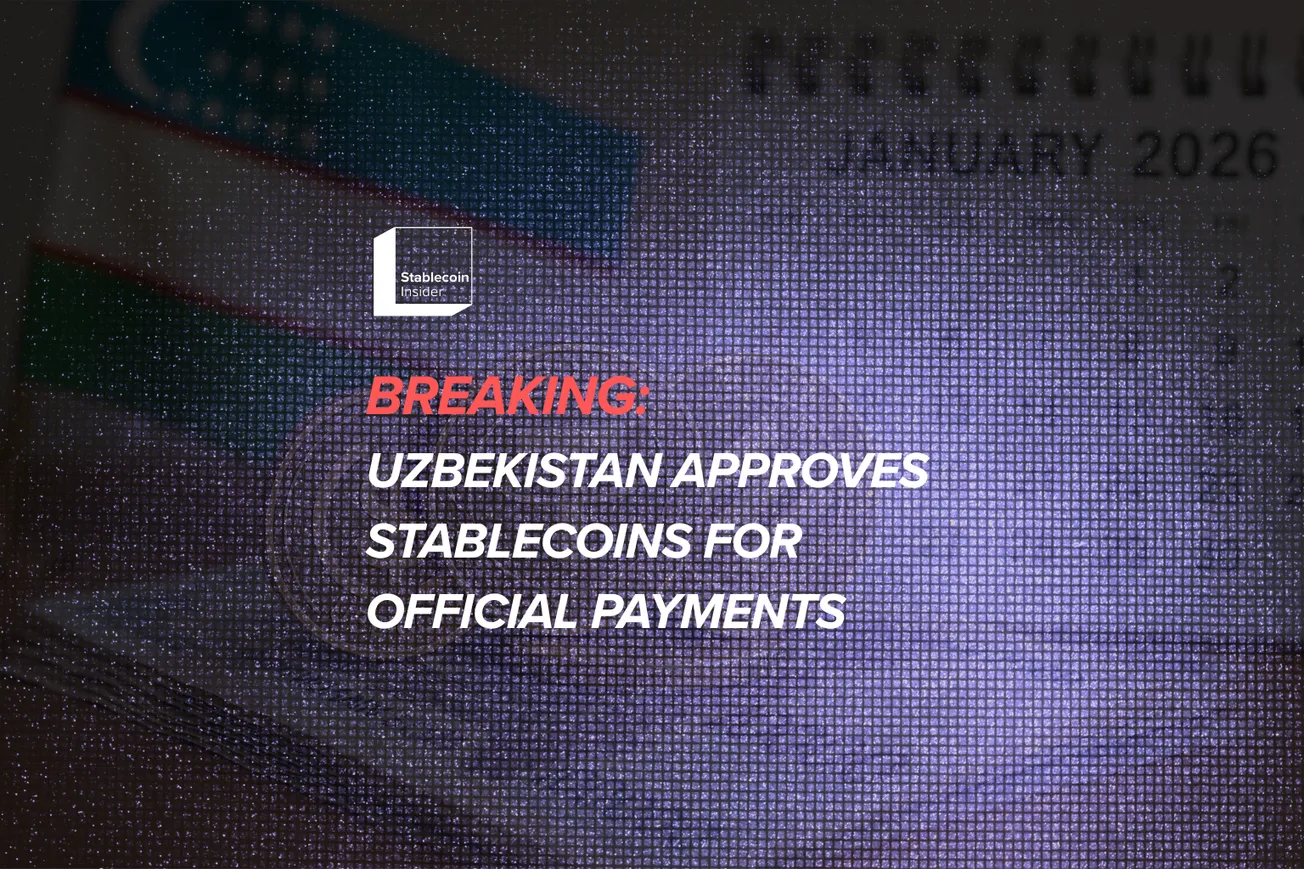
In a move that has sent shockwaves through global crypto circles, President Shavkat Mirziyoyev has officially signed a decree recognizing stablecoins as a legitimate means of payment starting January 1, 2026.
The decree, published late Thursday by the National Agency for Perspective Projects (NAPP), marks the most aggressive pro-blockchain policy ever adopted in Central Asia and positions Uzbekistan as the region’s undisputed digital-asset frontrunner.
Key Takeaways
- Uzbekistan is now the first Central Asian nation to treat stablecoins as a legal payment instrument.
- Tokenized stocks and bonds will trade on regulated local exchanges starting 2026, creating a new asset class.
- The sandbox model prioritizes safety while fast-tracking innovation—expect rapid iteration in 2026–2027.
- Combined with open banking, this creates a genuine fiat-to-crypto on-ramp for 35 million citizens.
- Early movers in payments, custody, and token issuance could capture dominant market share in an underserved region.
Background on Uzbekistan’s Crypto Evolution
Once known for its cautious stance, Uzbekistan began warming to digital assets in 2018 with licensed crypto exchanges. By 2023, the country enforced strict rules: 100% local service providers, mandatory KYC, and five-year transaction data retention.
That controlled approach is now giving way to ambition. The new decree builds on Kyrgyzstan’s som-backed stablecoin pilot and Turkmenistan’s recent mining legalization, creating a domino effect across the region.
What the New Decree Actually Changes
Effective January 1, 2026:
- Stablecoins will be permitted as a means of payment inside a regulatory sandbox supervised jointly by NAPP and the Central Bank of Uzbekistan (CBU).
- Licensed Uzbek companies will be able to issue tokenized shares and bonds using distributed ledger technology.
- Crypto exchanges will launch dedicated platforms for trading these tokenized securities.
- An “open banking” infrastructure will be rolled out by December 31, 2025, connecting traditional banks with fintech and blockchain payment rails.
- Monthly licensing fees for crypto firms have been doubled to 250 million soums (~$20,000), reinforcing the government’s focus on serious, compliant players.
Implications for Investors, Businesses, and the Region
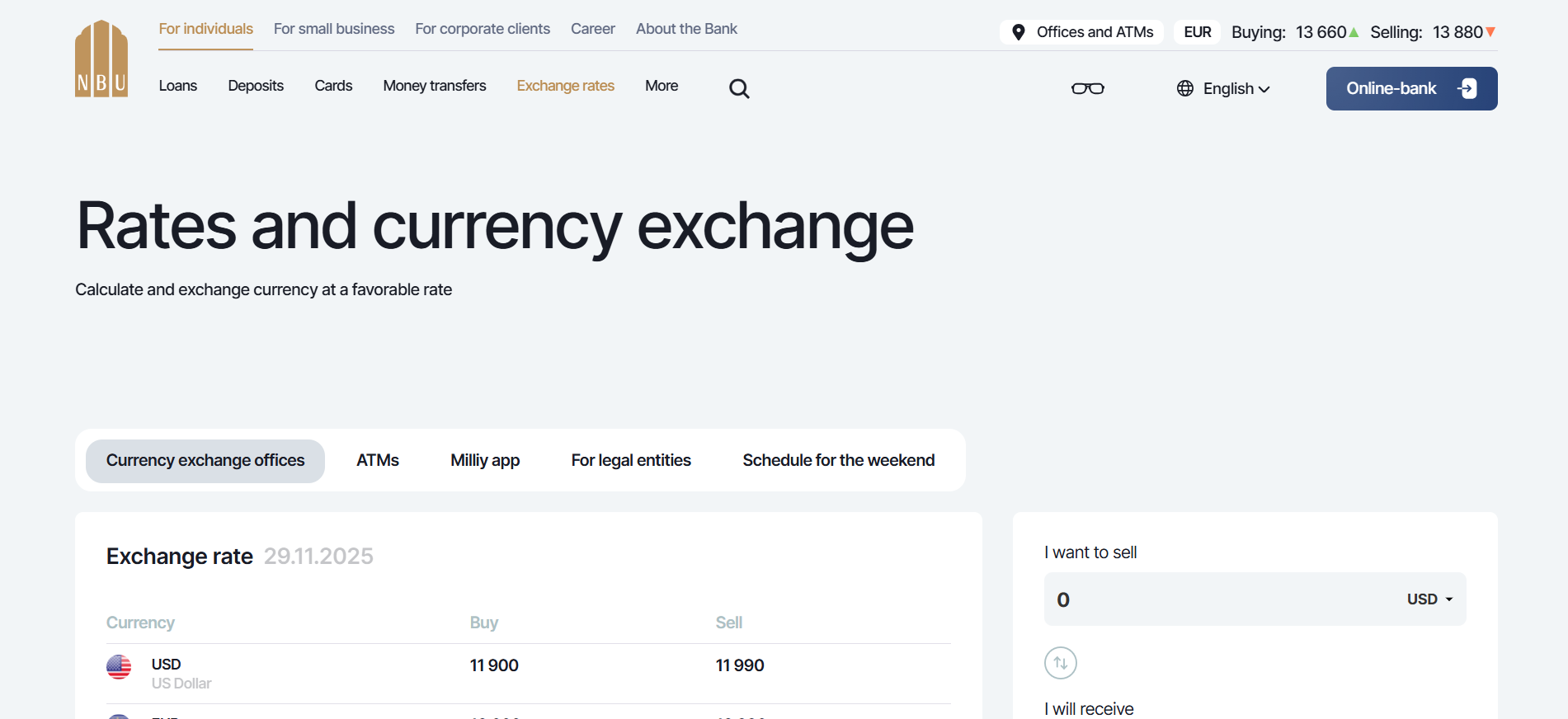
Analysts predict a surge in cross-border remittances, Uzbekistan received $16.9 billion in 2024, mostly from Russia, now potentially flowing cheaper and faster via stablecoins.
Tokenized securities will allow fractional ownership of Uzbek blue-chip companies and real estate, opening the market to retail investors for the first time.
“This is El Salvador’s Bitcoin experiment, but with guardrails and stablecoins instead of volatility,” said Timur Makhmudov, Tashkent-based blockchain strategist. “The sandbox lets them test at scale without systemic risk.”
Conclusion
As 2025 draws to a close, Uzbekistan is not just dipping its toe into digital assets, it’s diving in headfirst with presidential backing.
When the clock strikes midnight on January 1, 2026, Central Asia’s most populous nation will flip the switch on a new financial era: one where stablecoins sit in digital wallets alongside the Uzbek som, and shares of local companies trade as easily as meme coins once did.
For investors and entrepreneurs watching emerging markets, the message from Tashkent is clear: the Silk Road just went fully digital.
Read Next:
- Stablecoins on Layer-3s
- Stablecoin Tax Guide 2025: Reporting and Tools for Compliance
- The Future of Stablecoins: What's Next in 2026 and Beyond
FAQs:
1. When exactly do stablecoins become legal for payments in Uzbekistan?
January 1, 2026. They will operate inside a regulatory sandbox overseen by NAPP and the Central Bank.
2. Are all cryptocurrencies now legal tender in Uzbekistan?
No. Only stablecoins are recognized for payments within the sandbox. Bitcoin and other volatile cryptocurrencies remain classified as digital assets, not currency.
3. Who can issue tokenized securities in Uzbekistan starting 2026?
Only legal entities registered in Uzbekistan may issue tokenized shares and bonds, though foreign investors can trade them on licensed platforms.
4. Will ordinary Uzbeks be able to pay for coffee or groceries with USDT or USDC in 2026?
Yes, inside the sandbox pilot zones and with participating merchants. Full nationwide rollout will depend on pilot results.
5. How is Uzbekistan protecting consumers from scams and hacks?
All providers must be locally licensed, follow strict KYC/AML, store data for five years, and operate under direct Central Bank supervision. The sandbox itself is designed as a controlled testing environment with real-time monitoring.