
Table of Contents
LA PAZ, Bolivia, November 27, 2025:
In a dramatic policy reversal, Bolivia has become one of the first countries in the world to integrate stablecoins as legal tender inside its regulated banking system.
This will allow citizens and businesses to use assets like Tether (USDT) and USD Coin (USDC) for savings accounts, loans, credit cards, and everyday payments.
Economy and Finance Minister José Gabriel Espinoza announced the landmark decision on Tuesday, declaring that “stablecoins are now recognized and can be used as legal tender within the banking products we offer.”
The move effectively ends a decade-long hostility toward cryptocurrencies and positions Bolivia as Latin America’s most aggressive state-level adopter of dollar-pegged digital assets.
Key Takeaways
- Bolivia is the first Latin American country to treat stablecoins as legal tender inside regulated banks
- The policy directly attacks 22%+ inflation and dollar shortages by giving citizens a stable alternative
- Remittances and trade payments could become 50–90% cheaper and near-instant
- Up to 7 million unbanked Bolivians now have a realistic path to digital financial services
- Success here could trigger a domino effect across high-inflation emerging markets in 2026–2027
The Backdrop: An Economy on the Brink
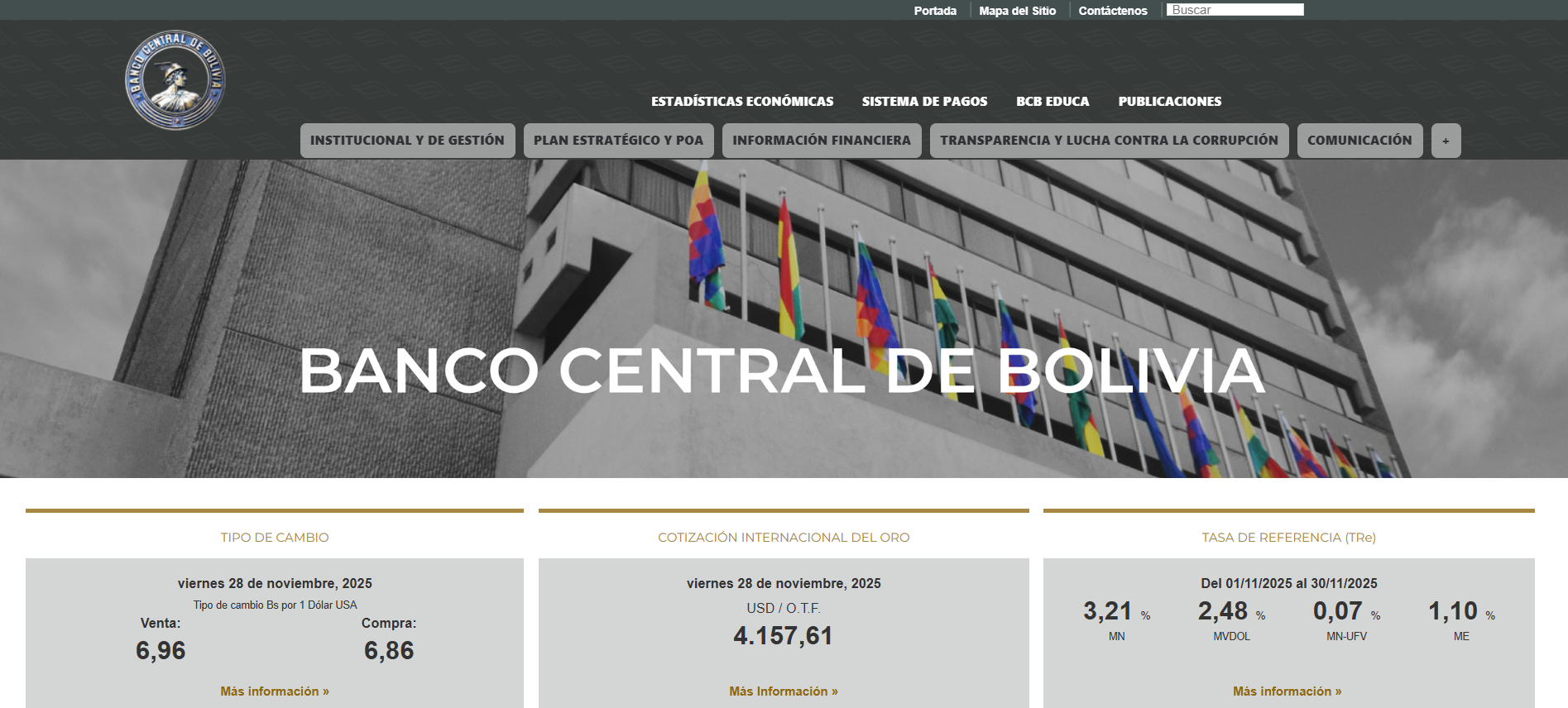
Bolivia is battling its worst economic crisis in decades. Annual inflation topped 22% in 2025, foreign reserves have plummeted from $15 billion in 2014 to barely $2 billion today, and chronic U.S. dollar shortages have paralyzed imports of everything from fuel to medicine.
Even after the Central Bank (BCB) lifted its 2024 crypto ban, underground adoption exploded, crypto transactions surged 530% year-on-year to $294 million in the first half of 2025 alone, according to BCB data.
Major dealerships for Toyota, Yamaha, and Suzuki already accept USDT to bypass currency controls.
How It Works: Stablecoins Enter Mainstream Banking
Under the new framework:
- Licensed banks can custody stablecoins and treat them as legal tender for specific products
- Customers can open USDT- or USDC-denominated savings accounts and debit cards
- Banks may issue loans collateralized by stablecoins
- Cross-border payments and remittances will settle instantly at fractions of traditional costs
Banco Bisa, one of Bolivia’s largest private banks, has already launched USDT custody services and plans to roll out stablecoin credit cards within 90 days.
The first pilot phase, tied to $9 billion in pending multilateral loans from the World Bank and CAF, is expected to begin in early 2026.
Boosting Inclusion and Innovation
Roughly 40% of Bolivians remain unbanked. With a smartphone and a digital wallet, they can now store value that doesn’t lose 1–2% per month to inflation.
“Stablecoins are the lifeline our people need,” said Marcelo Escobar, a La Paz car dealer who switched entirely to USDT pricing in September. “Clients pay once, and the value doesn’t disappear the next week.”
Risks, Regulations, and the Road Ahead
Authorities stress the boliviano remains the sole legal tender for domestic taxes and salaries.
The Central Bank will enforce strict AML/KYC rules, reserve requirements, and consumer-protection education campaigns.
Critics warn of liquidity risks if stablecoin issuers face problems, but regulators point to phased implementation and GAFILAT-compliant transparency measures as safeguards.
Conclusion
From outright crypto bans to banking-system integration in less than 18 months, Bolivia has executed one of the fastest and most radical monetary pivots in modern history.
Whether this gamble stabilizes the economy or simply buys time, one thing is clear: in the highlands of South America, the future of money just went fully digital.
Read Next:
- Stablecoins + AI Agents: The Autonomous Trading Bots Living Entirely on USDC
- Stablecoins on Layer-3s
- Stablecoin Tax Guide 2025: Reporting and Tools for Compliance
FAQs:
1. What does Bolivia’s stablecoin integration mean for everyday banking?
It allows regulated banks to offer savings accounts, loans, and debit cards denominated or payable in stablecoins like USDT, effectively treating them as legal tender for those products while the boliviano remains the national currency.
2. Why is Bolivia adopting stablecoins as legal tender right now
Skyrocketing 22%+ inflation, collapsing foreign reserves, and severe U.S. dollar shortages have pushed citizens and businesses into crypto anyway, transactions are already up 530% in 2025. The government chose regulated integration over fighting the inevitable.
3. How will stablecoins help fight inflation in Bolivia?
Dollar-pegged stablecoins preserve purchasing power that the boliviano loses daily. Businesses can price and settle in USDT, shielding both sellers and buyers from rapid depreciation.
4. Are there risks to using stablecoins in Bolivia’s banking system?
Yes, mainly counterparty risk if a stablecoin issuer fails and the need for strong AML compliance. The Central Bank is rolling out education campaigns and phased supervision to minimize those risks.
5. What’s next for crypto adoption in Bolivia after stablecoins?
The 60–90-day pilot will focus on remittances and payments. If successful, regulators have signaled openness to expanding to Bitcoin and other digital assets in future phases.