
Table of Contents
Moving stablecoins across multiple chains is still one of the most common friction points in onchain finance in 2026.
Between cross-chain bridges, DEX pools, intent-based routers, and hybrid exchange models, the best path is rarely obvious, and the cheapest option is not always the fastest or the safest.
This guide reviews leading aggregators and stablecoin-focused venues used for routing liquidity and executing swaps across chains.
The goal is practical: help you understand what each platform is built to do, where it fits, and what tradeoffs to expect when you move USDC, USDT, DAI, and other stable assets.
Key Takeaways
- Changelly is a simple, hybrid swap option that sources liquidity from centralized and decentralized venues, making stablecoin swaps straightforward across many chains.
- 1inch is strong for same-chain best-price discovery across DEX liquidity, but it generally requires separate bridging for cross-chain movement.
- OpenOcean aggregates across DEXs and also pulls in select CEX liquidity, with cross-chain capability as part of the product.
- Jumper Exchange focuses on routing and path selection across chains; it is useful for stablecoins but not stablecoin-only.
- Portal Bridge (Wormhole) supports moving assets (including USDC routes) across many ecosystems, with a design that can trade speed for broader interoperability.
1) Changelly
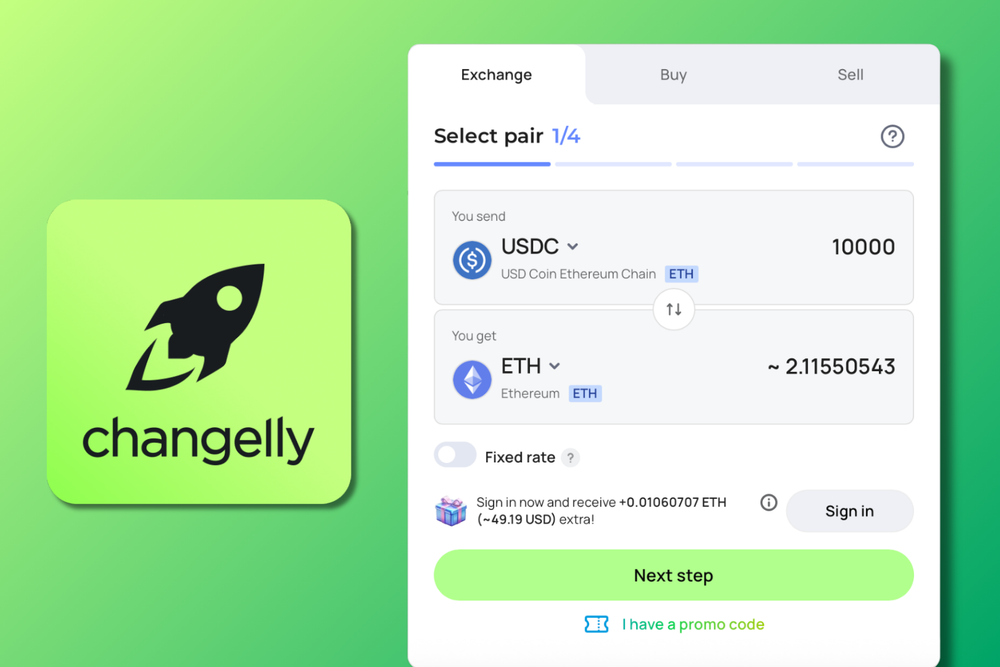
Changelly is a long-running crypto swap service (launched in 2015) used globally. Unlike DEX-only aggregators, it operates as a hybrid instant exchange, routing liquidity from both centralized and decentralized sources.
That hybrid model is the main reason it remains relevant in 2026: you get broad coverage without having to manually compare venues.
For stablecoin users, the appeal is workflow simplicity. Instead of handling routing logic and bridge choices yourself, the platform selects a rate from its liquidity partners and executes the swap directly.
Supported Assets & Chains
Changelly supports 500+ cryptocurrencies and major stablecoins, with swaps across common networks such as:
- Ethereum (ERC-20 stablecoins)
- BNB Chain (BEP-20 USDT/USDC/DAI)
- Tron (TRC-20 USDT)
- Polygon, Avalanche, Optimism, Arbitrum, Fantom
- Additional chains added through integrations over time
Fees & Costs
- Instant swaps: flat 0.25% service fee per transaction (plus network fees)
- Floating vs. fixed pricing: floating can be cheaper but can move; fixed locks at order time
- Business tooling: API and white-label options are available for embedding swaps into apps
Key Features
- Instant swap engine designed for fast execution
- Broad asset coverage beyond DEX-only aggregators
- Fiat on/off-ramps (availability depends on region and payment method)
- Web, mobile, and API access
- Non-custodial flow supported for many swaps (swap to your own wallet)
Speed & Performance
Stablecoin swaps typically settle within minutes, depending on chain confirmations and route.
2) Symbiosis.Finance
Symbiosis.Finance positions itself as a cross-chain liquidity aggregator built for any-to-any swaps across multiple networks.
In 2026 terms, it is best understood as a combined system that bundles routing + bridging + swapping into a single user flow.
It pulls liquidity from DEXs while also handling cross-chain messaging so the user experience feels like one transaction, not a multi-step process.
Stablecoin Coverage & Chains
Symbiosis supports major stablecoins (including USDC, USDT, DAI, FRAX, and others where applicable) and routes across ecosystems such as Ethereum, BNB Chain, Polygon, Arbitrum, zkSync, Avalanche, TON, and additional networks as integrations expand.
Operating Model
- Non-custodial flow
- Typically wallet-connect, no account setup required
- Fees are shown before execution, with an emphasis on upfront transparency
- Cross-chain swaps commonly complete quickly (often under a minute, conditions permitting)
3) 1inch
1inch is a well-known DEX aggregator focused on finding best execution by sourcing liquidity across multiple decentralized exchanges. Its core value is still the same in 2026: better pricing through smarter routing and order splitting, especially for larger trades where slippage matters.
What It’s Best At
- Splitting orders across DEXs to reduce slippage
- Algorithmic routing (Pathfinder) to search for efficient paths
- Gas optimization techniques (for supported chains and routes)
Notable Features
- Multi-DEX liquidity aggregation (e.g., Uniswap-style pools and other DEXs)
- Routing to minimize slippage and improve quote quality
- Limit orders on supported chains
- UI that supports multiple networks
Important Constraint
1inch is primarily a same-chain swap aggregator. If you need cross-chain movement, you typically bridge separately and then swap on the destination chain.
4) OpenOcean

OpenOcean differentiates by aggregating liquidity across DEXs and also incorporating select CEX sources.
For stablecoin trading, that hybrid liquidity search can matter when onchain pools are thin or temporarily mispriced.
Strengths in 2026
- Cross-chain aggregation as part of the experience
- Smart order routing designed to reduce slippage
- Popular wallet integrations for access across chains
Controls for Execution
OpenOcean commonly includes tools such as limit orders and slippage controls, which can be helpful for stablecoin rotations and cross-chain execution where quotes can drift.
5) Jumper Exchange
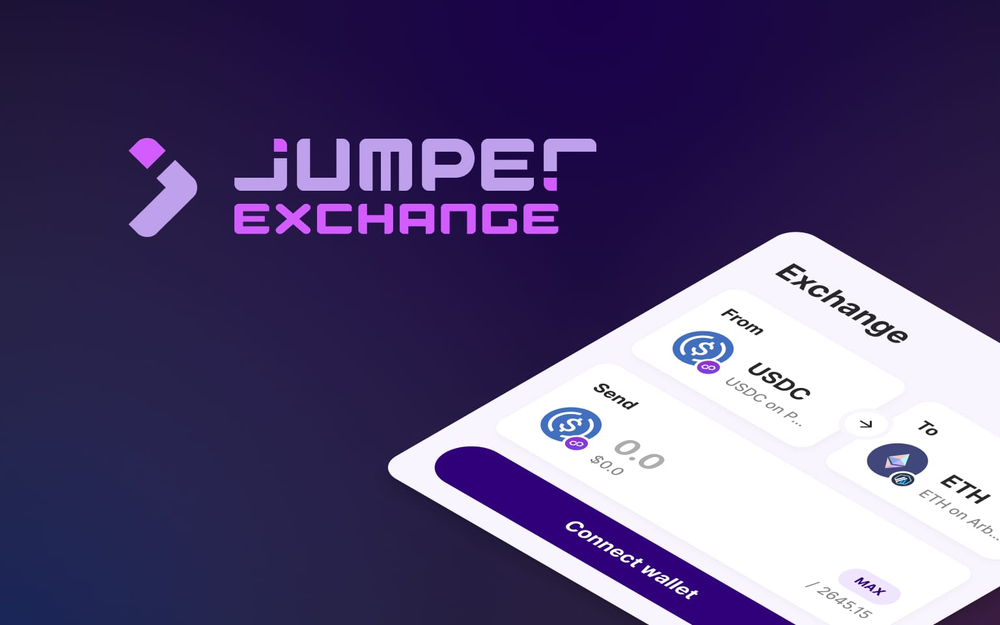
Jumper Exchange is positioned around route discovery for cross-chain swaps, optimizing for outcomes like total cost (fees + slippage) rather than simply “the cheapest pool on one DEX.”
Why It’s Useful
- Focus on identifying efficient cross-chain paths
- Gas-efficiency emphasis can matter for smaller stablecoin transfers
- Real-time route and gas visibility to support execution decisions
Summary Benefits
- Optimized routing for better net execution
- Broad support across chains and stablecoins
- Designed to reduce complexity for cross-chain movement
6) Portal Bridge (Wormhole)
Portal Bridge (commonly referred to as Wormhole) is a cross-chain bridge used for moving tokens and data across multiple networks. In practice, many users rely on it when they need to move assets between ecosystems where “one-click” stablecoin routers are not available or where specific chain pairs are better supported.
What to Expect
- Broad interoperability across chains
- Can prioritize reach over the fastest finality in some routes
- Useful when you need a general-purpose cross-chain option, including stablecoin movement
7) ParaSwap (Velora)
ParaSwap (rebranded as Velora) is a DEX aggregator known for splitting trades across multiple venues to improve execution.
For stablecoins, this matters most when you are moving size and want to avoid losing value to slippage.
Supported Chains
The platform supports a multi-chain footprint (as listed in the source text), including major networks such as Ethereum, Arbitrum, Optimism, Polygon, Avalanche, and others.
Fees & Costs (as described)
- No additional platform fee on swaps (execution costs come from underlying venues and gas)
- Developer API access offered for integrations
Key Features
- MultiPath routing to improve execution on larger orders
- RFQ-style liquidity access via professional market makers (useful for stable swaps at size)
- “Positive slippage” handling where favorable execution is not automatically retained by the protocol alone
- Additional execution modes aimed at improving fill quality and reducing MEV exposure
8) Matcha (0x)
Matcha, built by 0x Labs, combines 0x protocol aggregation with a trading interface that feels closer to a professional terminal than a typical DeFi swap page.
The core concept is deep liquidity access through a large network of sources, which can be especially relevant for stablecoin blocks.
Supported Chains & Coverage
Matcha supports multiple networks (as listed in the source text) and a very large token universe across those chains.
Fees & Costs (as described)
- Standard swaps: 0% platform fee
- “Matcha Auto” introduces fees by pair type (stable pairs vs. non-stable pairs), with gas included for those flows in certain cases
Notable Features
- 0x liquidity aggregation with a high focus on execution quality
- Gasless-style flows on supported networks via Matcha Auto
- Cross-chain swaps without leaving the product experience
- Limit orders, analytics, and TradingView charting
- MEV protection features aimed at reducing sandwich/front-running risk
- OTC-style paths for larger trades where available
9) Curve Finance

Curve remains the archetypal stablecoin-first DEX. Unlike general-purpose AMMs, it is engineered for assets that should trade near parity (stablecoin-to-stablecoin), which is why it often delivers low slippage and tight spreads for large stablecoin swaps.
Why Curve Still Matters in 2026
- StableSwap-style AMM design tailored for pegged assets
- Deep stablecoin liquidity pools (including historically important pools like the USDT/USDC/DAI set)
- Fee structure that is typically lower than many general DEX venues for stable swaps
Fees & Costs (as described)
- Standard trading fee around 0.04% (pool-dependent)
- Execution economics often remain favorable due to low slippage on size
Practical Benefits for Stablecoin Traders
- High capital efficiency for stable pairs
- Lower slippage risk vs. many constant-product AMMs
- Widely used as stablecoin liquidity infrastructure across DeFi integrations
10) Uniswap
Uniswap is a major liquidity venue across DeFi. While not stablecoin-specific, its combination of deep liquidity and newer routing/cross-chain direction makes it relevant for stablecoin execution, especially on L2s where fees are low.
What Matters for Stablecoin Swaps
- V3 concentrated liquidity can be highly efficient for stable pairs
- Multiple fee tiers, with stable pairs often using lower tiers like 0.01% or 0.05%
- Routing layers designed to improve execution across versions (V2/V3/intent-based flows)
Cross-Chain Direction
Uniswap’s newer capabilities focus on multi-chain user flows (including integrated bridging in certain contexts and intent-style execution patterns), aiming to reduce friction versus older “bridge then swap” approaches.
11) Eco Portal

Eco Portal is presented as a stablecoin-transfer-first system designed to simplify cross-chain stablecoin movement.
The defining product idea is intent-based execution: the user specifies the desired outcome and the routing logic is abstracted away.
Supported Chains & Stablecoins (as described)
- Supports 10+ chains and 20+ stablecoin variants
- Includes major networks such as Ethereum, Arbitrum, Optimism, Base, Polygon, Avalanche, BNB Chain, and others
- Covers multiple stablecoin forms (native and bridged variants) where applicable
Fees & Features
- Reduced fee model relative to many conventional bridges (route-dependent)
- Dynamic route optimization (Native Routes vs. Hyperlane Routes)
- SDK designed for faster integration into apps
- Roadmap concepts including account abstraction and aggregated liquidity sourcing
Best Fit
If your primary requirement is cross-chain stablecoin movement with minimal operational complexity, Eco Portal’s architecture is designed for that narrow job.

Conclusion
Stablecoin routing in 2026 is less about finding a single best tool and more about picking the right execution model for your constraints: speed, total cost, chain coverage, and how much complexity you are willing to manage.
- If you want a simple, hybrid swap flow with broad coverage, a service like Changelly can reduce steps.
- If you need best-price routing on one chain, 1inch, Matcha, and Velora style aggregators are built for execution quality.
- If you are moving stablecoins across chains frequently, cross-chain routers and bridge-centered options like Symbiosis, Jumper, Eco Portal, and Wormhole-based routes can better match that workflow.
- If the swap is stablecoin-to-stablecoin and size matters, Curve remains purpose-built.
Read Next:
- Best Chain for Stablecoin Micropayments in 2026
- Best Stablecoin On/Off-Ramps for 2026 Compared
- How to Pay Influencers in Stablecoins in 2026
FAQs:
1) What is a stablecoin aggregator?
A stablecoin aggregator is a routing layer that compares liquidity sources (DEX pools, bridges, and sometimes CEX liquidity) to find an efficient path for swapping stablecoins or moving them across chains, often reducing manual steps and improving net execution.
2) What are stablecoins?
Stablecoins are cryptocurrencies designed to maintain a relatively stable price, most commonly by targeting a fiat value such as 1 USD. They are used for trading, payments, and transferring value without the volatility typical of non-stable assets.
3) What does it mean to swap stablecoins cross-chain?
Cross-chain swapping means moving a stablecoin from one blockchain to another (for example, from Ethereum to Polygon) and receiving the asset on the destination network. Depending on the route, this can involve bridging, swapping, or an intent-based flow that bundles steps.
4) Why use a stablecoin aggregator instead of doing it manually?
Aggregators can reduce time and complexity by automatically evaluating routes, fees, and slippage. Instead of checking multiple DEXs and bridges, you can often complete the action in fewer steps with clearer execution estimates.
5) What are the main risks when using aggregators?
Common risks include slippage, route changes during execution, smart contract risk, bridge risk on cross-chain paths, and token/chain mismatches (especially with bridged vs. native variants). Some tools also have regional availability limits.
6) How do I choose the right aggregator in 2026?
Start with your constraints:
- Chains you use most (L1 vs. L2 vs. alt-L1)
- Stablecoin variants you hold (native vs. bridged forms)
- Speed vs. cost preference
- Swap size (slippage sensitivity increases with size)
Then select a tool that is optimized for that exact workflow: same-chain best-price aggregation, cross-chain routing, or stablecoin-specialist pools.
Disclaimer:
This content is provided for informational and educational purposes only and does not constitute financial, investment, legal, or tax advice; no material herein should be interpreted as a recommendation, endorsement, or solicitation to buy or sell any financial instrument, and readers should conduct their own independent research or consult a qualified professional.