Table of Contents
South Korea has unveiled plans for enhanced stablecoin regulations in 2026, emphasizing full collateralization and user redemption guarantees.
Announced on January 9, 2026, this initiative coincides with the approval of spot Bitcoin ETF trading, highlighting a measured embrace of cryptocurrency while prioritizing stability and investor safeguards.
Key Takeaways
- Full collateralization and redemption guarantees aim to eliminate depegging vulnerabilities.
- Policy signals South Korea's dual focus on crypto adoption and risk management.
- Larger issuers likely to benefit from barriers to entry for competitors.
- No immediate enforcement; issuers have time to adapt ahead of 2026 rollout.
Background and Rationale
The measures stem from lessons learned from historical incidents, such as the 2022 TerraUSD (UST) depeg, which caused widespread losses.
South Korea aims to foster a secure environment for digital assets, balancing innovation with financial integrity.
Regulatory Details
- Collateral Requirements: Stablecoin issuers must maintain 100% backing with fiat currencies or equivalent high-quality assets to prevent depegging events.
- Buyback Mandates: Users are entitled to redeem stablecoins at face value (1:1 ratio), ensuring liquidity and trust in the ecosystem.
- Implementation Timeline: Rules take effect starting in 2026, with guidelines adapted from international frameworks like the U.S. GENIUS Act to address volatility.
- Complementary Measures: The policy integrates with allowances for spot Bitcoin ETFs, allowing regulated trading to promote market growth.
Potential Impacts
- For Investors: Reduced exposure to depegging risks, benefiting retail users through stronger protections.
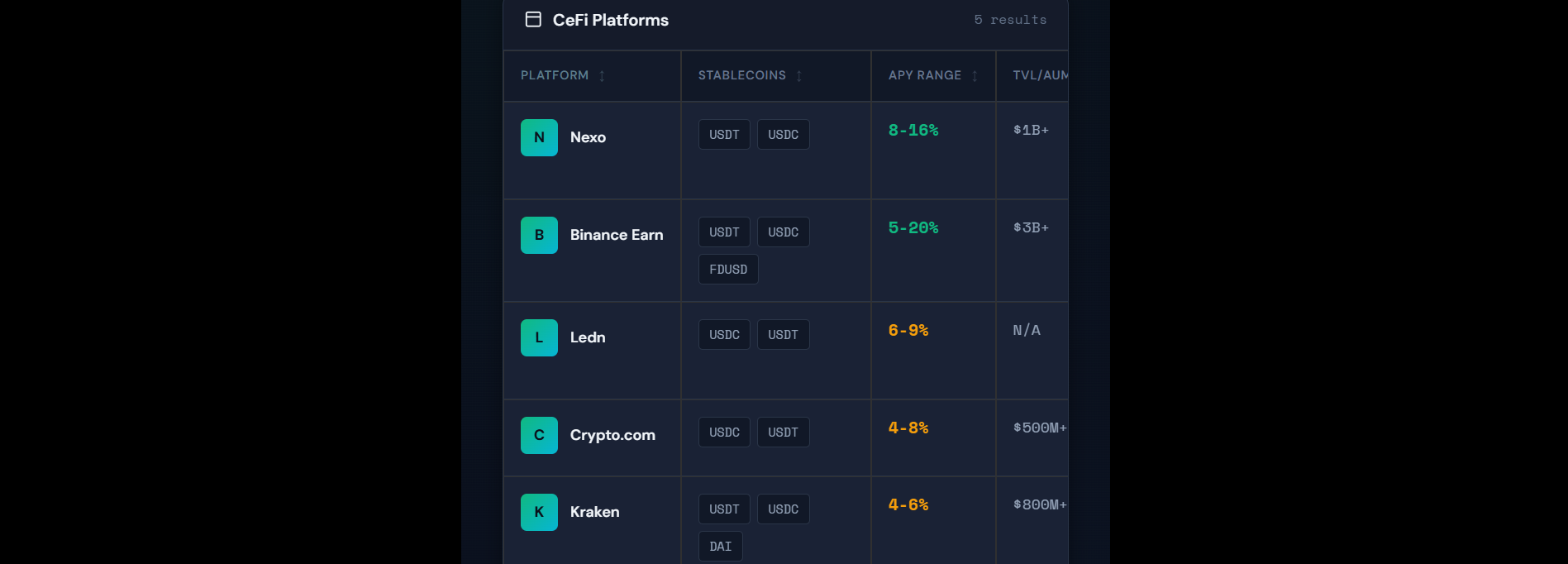
- For Issuers: Elevated compliance costs may challenge smaller entities, potentially consolidating dominance among established players like Tether and USDC.
- Market-Wide Effects: Could stabilize stablecoin usage in DeFi and payments, while influencing regional policies in Asia and encouraging global harmonization.
Conclusion
South Korea's 2026 stablecoin regulations represent a strategic advancement in crypto governance, fortifying user protections against volatility while enabling broader market integration through ETF approvals.
This framework could inspire similar reforms globally, though it may accelerate market consolidation. Issuers and investors should monitor implementation details for optimal adaptation.
Read Next:
- Best Chain for Stablecoin Micropayments in 2026
- Best Stablecoin On/Off-Ramps for 2026 Compared
- How to Pay Influencers in Stablecoins in 2026
FAQs:
1. What does 100% collateralization mean for stablecoins in South Korea?
It requires issuers to back every stablecoin with an equivalent amount of fiat or secure assets, ensuring the coin's value remains stable.
2. How will this affect my ability to trade Bitcoin ETFs there?
The rules complement ETF approvals, allowing spot trading while adding safeguards, potentially making the market more attractive to cautious investors.
3. Will smaller stablecoin projects survive these new regulations?
Higher compliance costs could squeeze them out, favoring big names like USDT and USDC unless they adapt quickly.
4. Is this similar to U.S. stablecoin laws?
Yes, it's influenced by frameworks like the GENIUS Act, but tailored to South Korea's emphasis on user buybacks and volatility control.
Disclaimer:
This content is provided for informational and educational purposes only and does not constitute financial, investment, legal, or tax advice; no material herein should be interpreted as a recommendation, endorsement, or solicitation to buy or sell any financial instrument, and readers should conduct their own independent research or consult a qualified professional.