
Table of Contents
This report published on January 9, 2026, highlights the ruble-denominated stablecoin A7A5's performance during 2025, where its on-chain supply expanded by $89.5 billion.
This growth rate exceeded that of prominent dollar-pegged stablecoins USDT and USDC, notwithstanding Western sanctions imposed on its supporting entities.
Introduced in January 2025, A7A5 operates on the Ethereum and Tron blockchains to enable efficient cross-border transactions, mitigating constraints on Russian financial systems.
Key Takeaways
- A7A5's on-chain supply increased by $89.5 billion in 2025, surpassing the growth of USDT and USDC despite sanctions.
- The ruble peg supports daily transfers exceeding $1 billion on Ethereum and Tron networks.
- Issuance through a Kyrgyzstan-based entity enables circumvention of direct sanctions on Russian backers.
- A7A5 secured 43% of the non-USD stablecoin market share, promoting asset diversification.
- This demonstrates stablecoins' effectiveness in bypassing international financial restrictions.
Background on A7A5
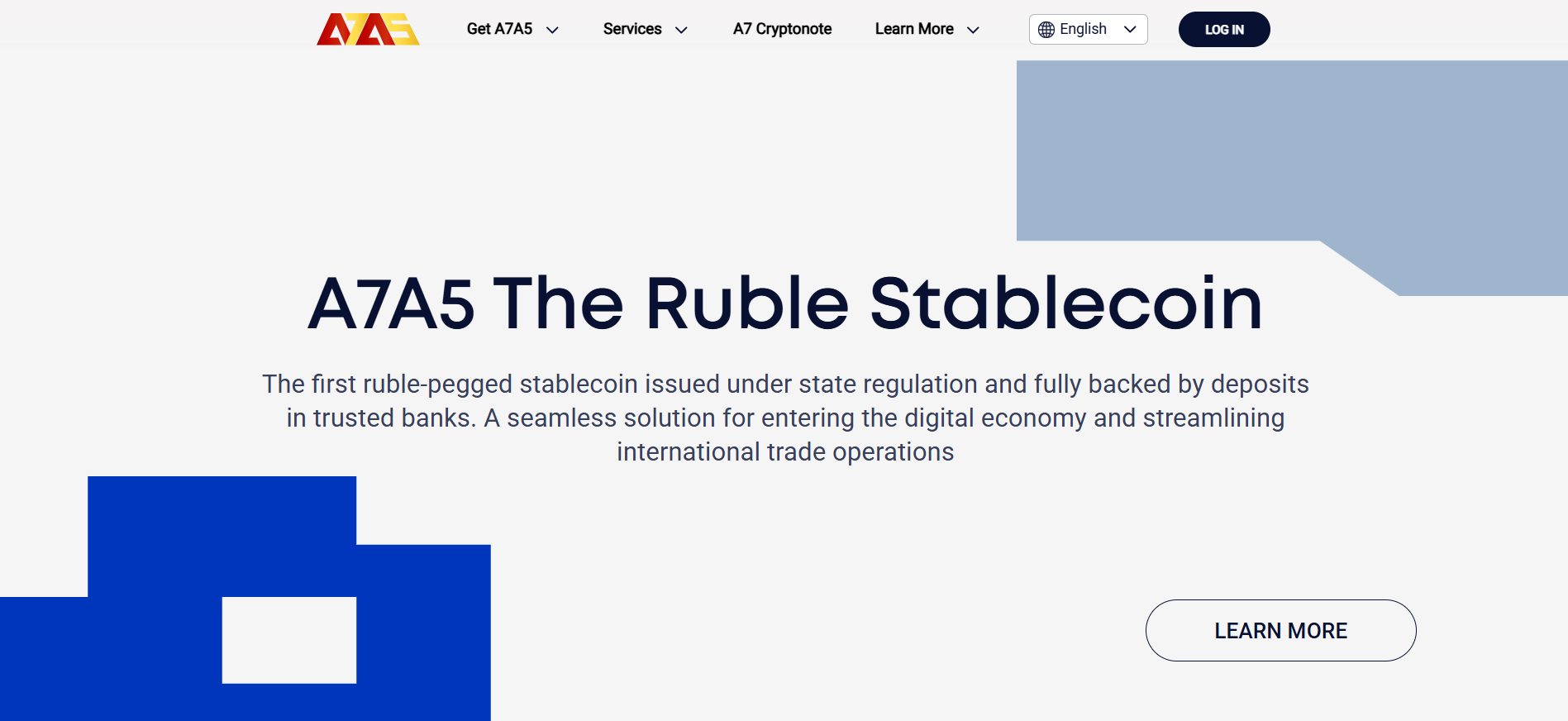
Issued by Old Vector, a Kyrgyzstan-based entity, A7A5 is backed 1:1 by ruble reserves to ensure peg stability. It serves as a reliable medium for value transfers independent of traditional banking infrastructure.
This development aligns with Russia's strategic initiatives to establish alternative financial instruments following the escalation of sanctions in 2022 amid the Ukraine conflict.
Key supporters include Promsvyazbank (PSB), a Russian state-owned bank specializing in defense-related services, and the A7 payment system. Both are subject to sanctions from the United States and European Union, restricting their access to international networks such as SWIFT.
The stablecoin's launch emphasized its application in international trade, providing a pathway for economies facing restrictions to execute settlements.
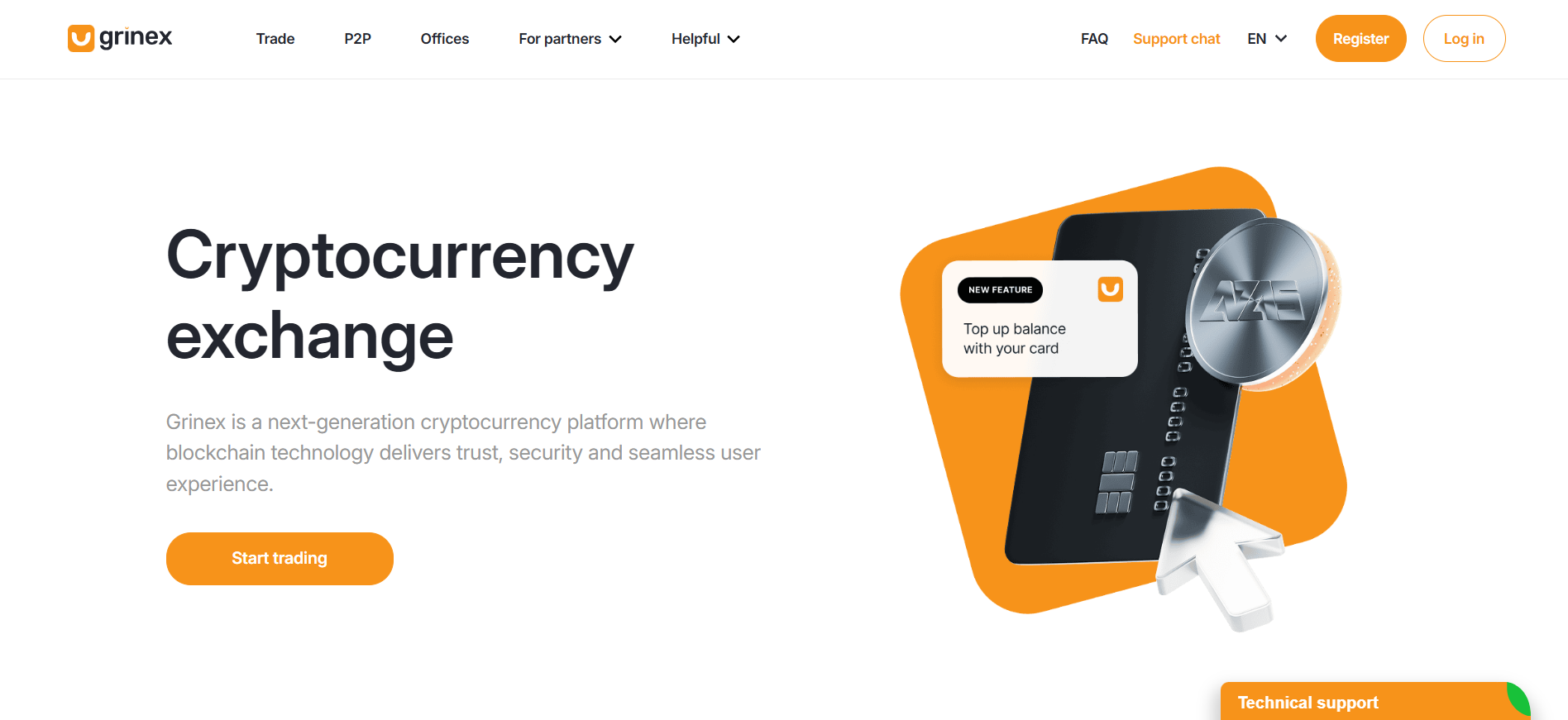
The primary trading platform is Grinex, a Kyrgyzstan-based exchange considered the successor to the sanctioned Russian platform Garantex.
This arrangement facilitates conversions between rubles and cryptocurrencies, including pairings with USDT, while minimizing direct exposure to Western regulatory oversight.
Growth Trajectory in 2025
Following its launch, A7A5 experienced steady adoption, with momentum building significantly by mid-2025. Daily transfer volumes surpassed $1 billion, and cumulative transactions reached $41.2 billion. The market capitalization increased threefold to $521 million within a brief period, indicating substantial liquidity inflows.
Over the full year, the on-chain supply grew by $89.5 billion, outpacing USDT's approximate $60 billion increase and USDC's $40 billion expansion.
By October 2025, A7A5 captured 43% of the non-dollar stablecoin market, surpassing the euro-pegged EURC as the leading non-USD stablecoin.
Contributing factors include Russia's efforts to internationalize the ruble and the stablecoin's utility in regions with limited access to U.S. dollars. Transaction volumes doubled to exceed $86 billion by the end of 2025. The peg remained stable through reserve management and algorithmic mechanisms, countering ruble market volatility.
Implications for Global Crypto Markets and Sanctions
The January 9, 2026, analysis underscores stablecoins' role in transforming international finance under geopolitical pressures.
A7A5 facilitated daily transfers exceeding $1 billion for Russian entities, thereby diminishing the efficacy of imposed sanctions. Forecasts indicate that non-dollar stablecoins could achieve a 20% market share by 2027, challenging the dominance of USD-pegged assets.
Within the cryptocurrency ecosystem, this growth presents regulatory challenges. United States Treasury officials have identified potential risks related to illicit finance, although no specific enforcement actions against the issuers have been implemented to date.
This occurs against the backdrop of the overall stablecoin market expanding to $264.9 billion by mid-2025, with Ethereum as the predominant hosting network.
Broader economic consequences include reduced dependence on conventional banking institutions, leading to adjustments in yields within sanctioned jurisdictions.
Russia's cryptocurrency holdings exceeded $25 billion by mid-2025, with A7A5 enabling transactions valued at 7.3 trillion rubles (equivalent to $75.2 billion) from the fourth quarter of 2024 through the first quarter of 2025.
Conclusion
As detailed in reports released on January 9, 2026, A7A5's $89.5 billion supply growth in 2025 exemplifies resilient strategies in the stablecoin sector, challenging USD dominance and necessitating adaptive regulatory frameworks.
Read Next:
- 2025 Stablecoin Year-End Report
- 2025 Stablecoin Spending Report
- Who Is Winning the Stablecoin Infrastructure Race?
FAQs:
1. What is A7A5?
A ruble-pegged stablecoin launched in January 2025 on Ethereum and Tron blockchains, designed for trade in restricted environments.
2. How did A7A5 outperform USDT and USDC?
Through a $89.5 billion supply expansion in 2025, driven by demand for alternative payment solutions, exceeding the growth of USD-pegged tokens.
3. How does it navigate sanctions?
By operating via a Kyrgyzstan issuer and leveraging cryptocurrency infrastructure to avoid direct ties to sanctioned Russian entities.
4. Which networks does A7A5 utilize?
Ethereum and Tron, selected for their efficiency in handling high-volume, low-cost transactions.
5. What are the associated risks?
Potential de-pegging due to ruble volatility, increased regulatory scrutiny, and concerns from Western authorities regarding illicit finance.
Disclaimer:
This content is provided for informational and educational purposes only and does not constitute financial, investment, legal, or tax advice; no material herein should be interpreted as a recommendation, endorsement, or solicitation to buy or sell any financial instrument, and readers should conduct their own independent research or consult a qualified professional.