Table of Contents
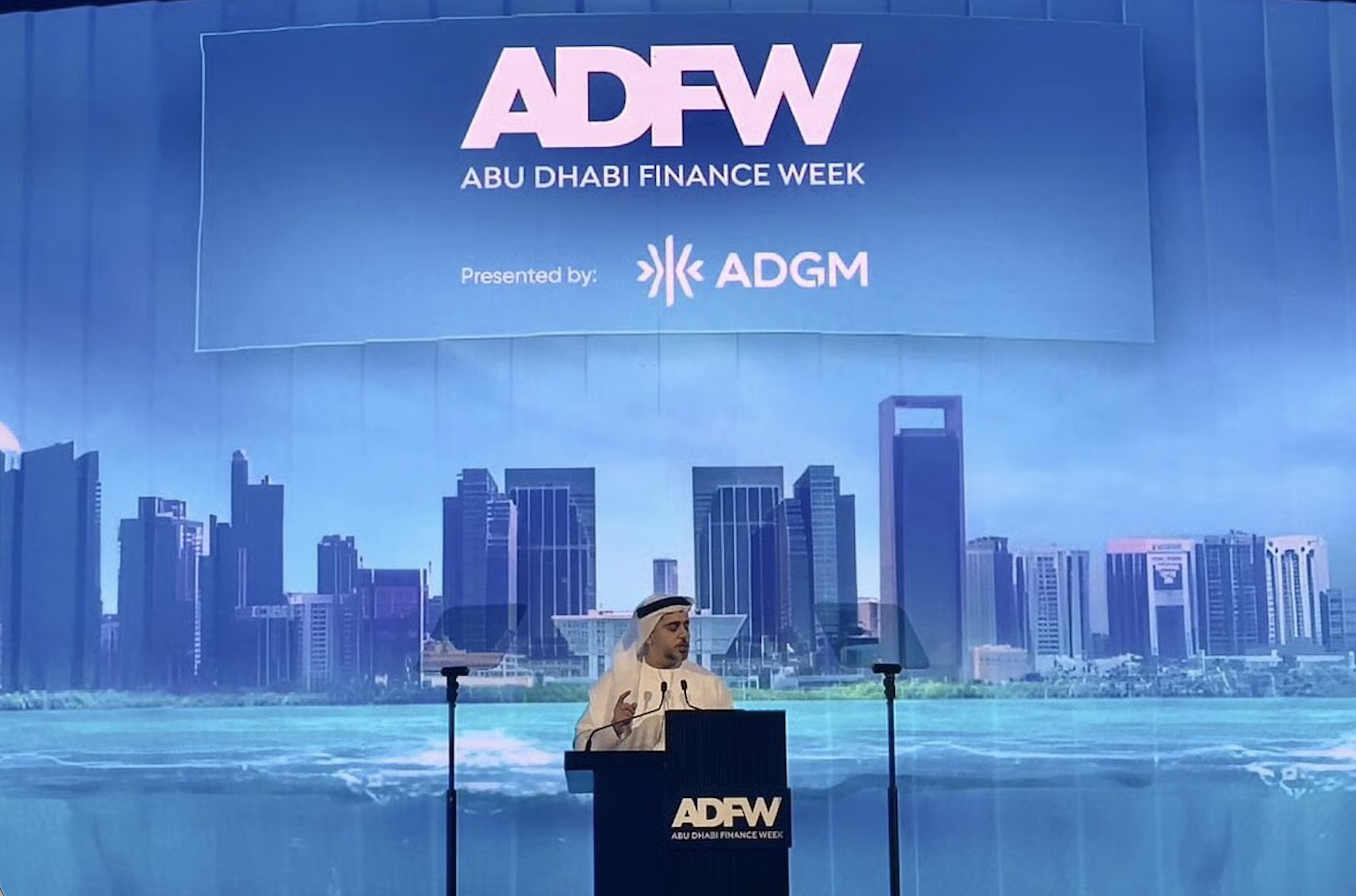
Abu Dhabi Finance Week just concluded, and along with it we received major announcements advancing USDC and USDT acceptance in the Middle East.
The Abu Dhabi Global Market (ADGM)'s Financial Services Regulatory Authority (FSRA) recognized Tether's USDT as an Accepted Fiat-Referenced Token (AFRT) across multiple blockchains, while Circle secured a full license to offer regulated USDC services.
These developments occurred against a backdrop of accelerating global regulatory clarity in Q4 2025, including ongoing implementation of frameworks in the US, EU, and UK.
In this edition we explore key outcomes from Abu Dhabi Finance Week, along with updates on Q4 regulatory advancements worldwide.
Q4 Stablecoin Regulation Updates
United States
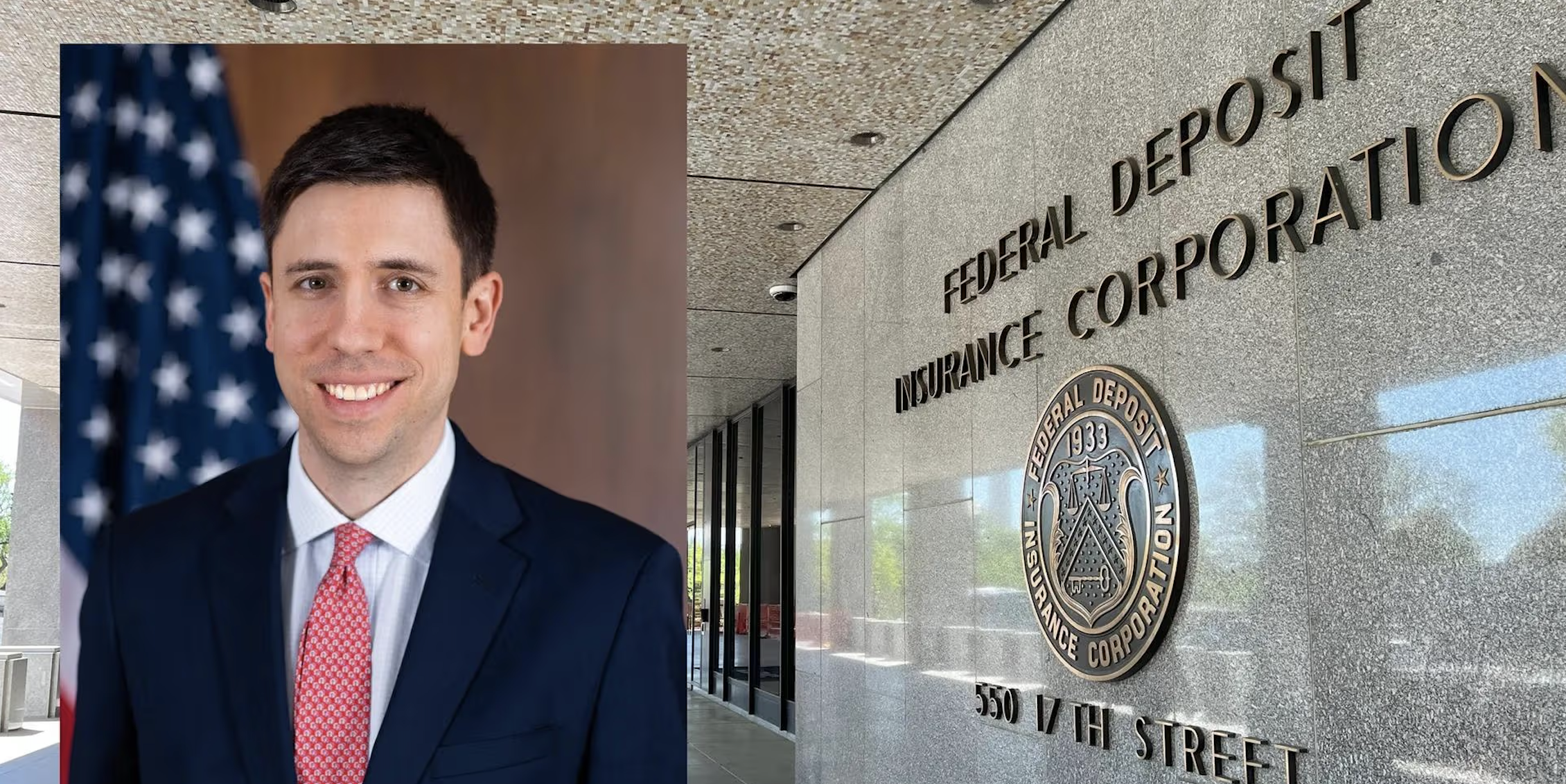
In Q4 2025, the FDIC advanced implementation of the GENIUS Act by preparing a proposal for stablecoin application requirements, expected by late December, alongside ongoing rulemaking focused on reserves, audits, and liquidity management.
This builds on the Act's federal framework, mandating 1:1 reserves and monthly reporting for payment stablecoins, with full effectiveness targeted for January 2027 or sooner.
Recent quote: FDIC Acting Chairman Travis Hill stated during a December 1 House hearing, "We are ready to propose a stablecoin application rule this month to ensure robust oversight while fostering innovation."
What this means:
- Enhanced Institutional Confidence: Stricter audits and disclosures will likely attract more traditional finance players, potentially increasing USDC and USDT adoption in payments by 20-30% in 2026.
- Compliance Burden on Issuers: Smaller or offshore stablecoin providers may face relocation pressures or exit costs, consolidating market share among compliant giants like Circle and Tether.
European Union
Q4 2025 saw continued enforcement of the MiCA regulation, with no groundbreaking new milestones but intensified monitoring of issuer authorizations and the delisting of non-compliant asset-referenced tokens (ARTs) and e-money tokens (EMTs).
As of December 14th, 16 EMTs had received authorization, emphasizing recovery plans and co-supervision by the European Banking Authority (EBA) for significant issuers to standardize reserves and transparency.
Recent quote: In an ESMA statement on December 4, 2025, regarding transitional measures, the authority noted, "This regime grants additional time for entities to align with MiCA, ensuring a smooth shift from national frameworks to a harmonized EU-wide approach."
What this means:
- Reduced Market Fragmentation: Uniform rules across member states will streamline cross-border stablecoin use, potentially lowering transaction costs by 15% for EU-based remittances.
- Heightened Accountability: Mandatory recovery plans could prevent runs on issuers like those seen in past crypto winters, bolstering user trust in euro-pegged tokens.
United Kingdom
On November 10, the Bank of England (BoE) launched a consultation on regulating systemic GBP-denominated stablecoins, followed in December by the Financial Conduct Authority (FCA) announcing 2026 priorities, including a sandbox for issuance testing with applications due January 18, 2026.
The proposals require issuers to hold 60% of reserves in UK government debt and 40% at the BoE, extending to both retail and wholesale payments under a joint BoE-FCA regime.
Recent quote: The BoE's consultation paper highlighted, "Our proposed approach intends to promote safety and resilience while supporting the UK's leadership in innovative payments," as outlined in their November 10 release.
What this means:
- Sandbox-Driven Innovation: The FCA's testing environment could fast-track pilots, encouraging fintechs to develop compliant tokens and spurring a 25% rise in UK crypto investments.
- Post-Brexit Alignment: While diverging slightly from MiCA, these rules aim for interoperability, aiding UK firms in accessing EU markets without full regulatory overhaul.
Asia (e.g., Singapore, Japan, Taiwan)
Taiwan looks ready to launch its first locally issued stablecoin in the second half of next year, initially to be issued by financial institutions only, while Singapore's Monetary Authority (MAS) was set to consult on issuance amendments by late December, and Japan announced a bank-led stablecoin pilot the same month.
These efforts include opt-in regimes for regulated stablecoins in Singapore via Project BLOOM for token settlements, yen-backed pilots in Japan, and Taiwan's draft act mandating full reserves, audits, and licensing.
Recent quote: MAS Managing Director Ravi Menon remarked on November 12, 2025, during announcements on stablecoin laws, "We will bring in laws to regulate stablecoins as it presses ahead with digital asset initiatives, ensuring value stability and innovation."
What this means:
- Accelerated Regional Remittances: Full-reserve requirements will enable faster, cheaper cross-Asian transfers, potentially capturing 10% more of the $700B annual remittance market.
- Monetary Policy Safeguards: Pilots and consultations address currency sovereignty concerns, balancing growth with controls on capital outflows.
- Competitive Hub Formation: Singapore's framework could draw issuers from less regulated neighbors, solidifying Asia's role in global stablecoin supply chains.
Middle East (UAE)
Between December 8 and 9, the Abu Dhabi Global Market (ADGM) approved Tether's USDT as an Accepted Fiat-Referenced Token (AFRT) on nine additional blockchains, including Aptos and TON, while granting Circle a full Financial Services Permission (FSP) for USDC issuance and settlements.
This aligns with the UAE's Payment Token Services Regulation (PTSR) from mid-2025, which limits domestic use to AED-pegged stablecoins but opens doors for international ones in regulated activities.
Recent quote: ADGM's FSRA announcement on December 8 emphasized, "The approval of USDT as an AFRT is more than a technical update, it's a strategic endorsement of Tether's compliance framework," facilitating broader crypto ecosystem growth in Abu Dhabi.
What this means:
- UAE as Emerging Crypto Hub: Multi-chain approvals will attract institutional trading and payments, potentially tripling MENA's stablecoin volumes by mid-2026.
- Compliant Global Integration: FSP for Circle enables seamless USDC use in UAE finance, bridging Eastern and Western markets with lower friction.
- Balanced Local Protections: PTSR's AED focus preserves monetary control while fostering innovation in tokenized assets and remittances.
Global/Other
On October 16, the Financial Stability Board (FSB) released its Thematic Review on crypto frameworks, followed by the IMF's December 4 emphasis on converging stablecoins toward payment treatments and enhancing international cooperation.
The FSB called for harmonization on reserves and resolution, noting uneven risk mitigation with 70% of members aligning by year-end, while the IMF highlighted persistent arbitrage gaps.
Recent quote: FSB Secretary General Dietrich Domanski stated in the October 16 review, "Progress in implementing our recommendations is advancing, but gaps in stablecoin frameworks and cross-border oversight remain a priority for global stability."
What this means:
- Push for Cross-Border Harmony: Alignment efforts could reduce regulatory arbitrage, stabilizing the $300B+ stablecoin market against spillovers.
- Spotlight on Emerging Risks: IMF's focus on convergence may accelerate G20 discussions, leading to unified standards by 2027.
- Tailwinds for Issuers: With 70% alignment, compliant tokens like USDT and USDC stand to gain from easier multi-jurisdictional operations.
Final Word
As 2025 draws to a close, the combination of ADFW’s landmark USDT and USDC approvals with steady regulatory rollouts across the US, EU, UK, and Asia signals that stablecoins are no longer waiting for permission, they are becoming regulated infrastructure.
Institutions now have the clarity to deploy capital at scale, making 2026 the year when compliant stablecoins move from the sidelines of finance to the center of global payments and tokenized assets.
Related Reports
- The Neobank Transition Report
- Where Stablecoins Are Being Spent (2025 New Report)
- How Stablecoin Projects Generate Revenue (Report)
Partner/Advertise with Stablecoin Insider
Fill out this form to partner and advertise on the only publication, dedicated entirely to the Stablecoin ecosystem.
See you next week,
- The Stablecoin Insider team