
Table of Contents
PayPal has deployed PYUSD on Stable Mainnet, integrating its regulated USD stablecoin into a blockchain optimized for payments.
Announced on December 18, 2025, this step enhances PYUSD's utility on a high-throughput network using USDT as native gas.
Stable Mainnet, launched December 8, 2025, focuses on stablecoin settlement with predictable fees and sub-second finality.
This follows PYUSD's expansions to Ethereum, Solana, and Stellar, advancing PayPal's crypto strategy.
Key Takeaways
- PYUSD integrates with Stable Mainnet for regulated USD transfers using USDT gas and predictable fees.
- Stable's high-throughput design enables sub-second settlements for remittances and e-commerce.
- Expansion boosts PayPal's ecosystem, linking fiat and blockchain with permissionless PYUSD0.
- Backed by Tether and Bitfinex, Stable focuses on stablecoin-native scalability globally.
- Users access low-cost, instant confirms, accelerating adoption in payroll and merchant flows.
Background on PYUSD
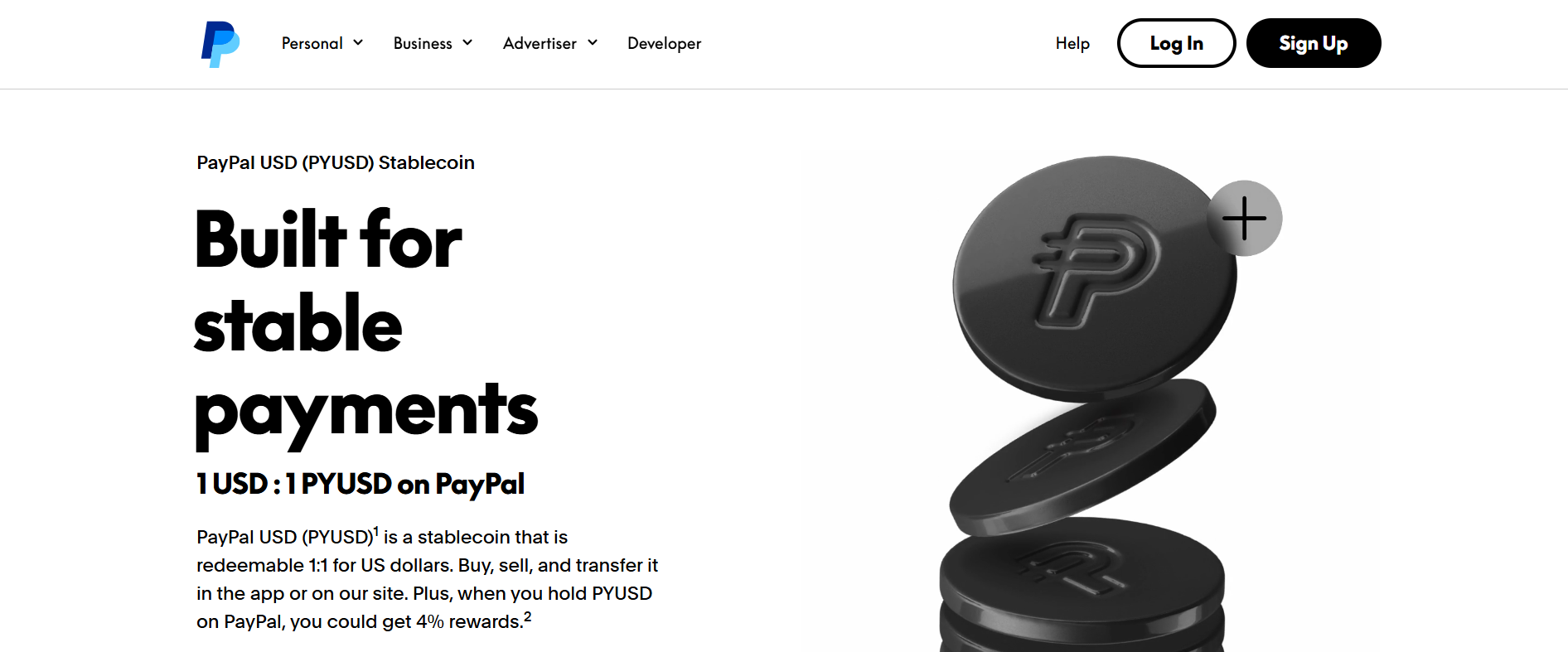
PYUSD is PayPal's USD-pegged stablecoin, backed 1:1 by U.S. dollar deposits, short-term Treasuries, and cash equivalents. Issued via Paxos since August 2023 on Ethereum, it enables seamless transfers across PayPal apps like Venmo and Xoom.
As of January 26, 2026, PYUSD's market capitalization is approximately $3.7 billion, with growing volumes in remittances and e-commerce.
PayPal Ventures invested in Stable to enable PYUSD0, a permissionless variant optimized for the network. Prior integrations include Solana in May 2024 for speed and Stellar in September 2025 for cross-border access.
This Stable deployment targets institutional and retail payments, leveraging PayPal's 400+ million users.
Overview of Stable Mainnet
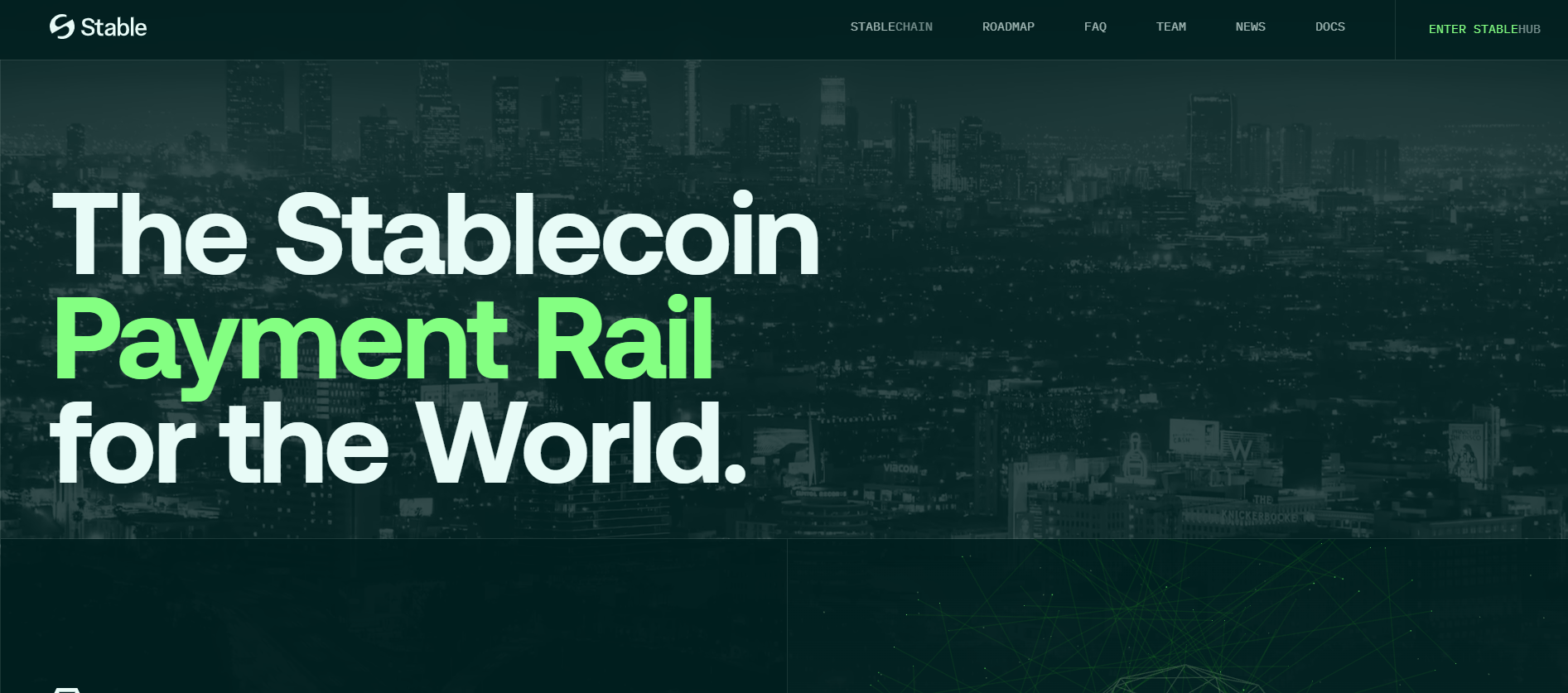
Stable Mainnet is a Layer 1 blockchain backed by Bitfinex, PayPal Ventures, and Tether, designed for stablecoin operations.
It uses USDT as native gas, eliminating volatility in fees and ensuring consistency for high-volume transactions.
Features include thousands of TPS, sub-second settlements, and tools like Chaos Labs oracles for real-time pricing and Goldsky indexing for data queries.
Day-one partners encompass Morpho for yields, Alchemy Pay for fiat ramps in 170 countries, and Euclid for cross-chain liquidity across 50+ networks.
In 2025, USDT handled $156 billion in sub-$1,000 payments, highlighting demand for such infrastructure.
Stable's v1.2.0 upgrade, set for February 4, 2026, shifts fully to USDT0 gas and improves staking observability.
Integration Details
PYUSD on Stable supports direct minting, burning, and transfers, with bridging from other chains via protocols like LayerZero.
Transactions use USDT gas for fixed costs, removing conversion needs.
PayPal described it as "a major step toward bringing a regulated, dollar-backed stablecoin into a high-throughput, stablecoin-native settlement layer built for real-world payments."
Early tests show instant confirmations and low fees, suitable for merchant settlements and payroll.
Ecosystem tools include EtherFi for asset wrapping, Relay for routing, and Anoma for privacy-enhanced applications.
This builds on Stable's pre-launch deposit of over $2 billion from 24,000 wallets.
Benefits and Implications
The integration delivers faster, cost-effective transactions with predictable fees, aiding budgeting for volume-heavy operations.
Institutions gain compliant tools combining PYUSD's regulation with Stable's scalability.
It could disrupt legacy systems like SWIFT, cutting cross-border costs.
Liquidity for PYUSD may rise, amid USD stablecoins exceeding $200 billion total.
Challenges include peak-load management and regulatory shifts, but partnerships signal maturing crypto-finance.

Conclusion
PYUSD on Stable Mainnet strengthens stablecoin infrastructure for efficient payments. Prioritize testing for seamless integration.
Read Next:
- How Stablecoin Institutions Can Build $1T+ Revenue Streams in 2026
- 2025 Stablecoin Spending Report
- Who Is Winning the Stablecoin Infrastructure Race?
FAQs:
1. What backs PYUSD?
PYUSD is 1:1 backed by USD deposits and Treasuries for stable redemption.
2. Why Stable Mainnet for payments?
It uses USDT gas for fixed fees, high TPS, and fast finality tailored to stablecoins.
3. How benefits PayPal users?
Enables efficient PYUSD transfers on a payment-optimized chain, lowering costs for global transactions.
4. PYUSD on other chains?
Yes, available on Ethereum, Solana, Stellar; bridges ensure interoperability.
5. What are the main risks?
The main risks are crypto volatility, potential downtime; check compatibility before use.
Disclaimer:
This content is provided for informational and educational purposes only and does not constitute financial, investment, legal, or tax advice; no material herein should be interpreted as a recommendation, endorsement, or solicitation to buy or sell any financial instrument, and readers should conduct their own independent research or consult a qualified professional.