

Table of Contents
Stablecoin payments are moving from pilot programs into real merchant operations fast, but onboarding is still where most implementations stall: compliance teams want control, payment teams want speed, and merchants want higher approval rates with fewer chargebacks and lower settlement friction.
In 2026, the best onboarding playbooks treat merchant onboarding as a risk program, not a sales checklist.
You are building a repeatable KYB flow, a risk-tier model, and operating limits that make stablecoin acceptance safe, scalable, and profitable.
Key Takeaways
- Merchant onboarding for stablecoin payments is a risk-tiered KYB process, not a one-size-fits-all signup.
- The fastest scaling programs use dynamic limits, transaction monitoring, and staged enablement by use case and corridor.
- Wallet readiness and settlement design matter as much as compliance, because poor wallet ops create losses and disputes.
- Chargebacks do not disappear; you need clear refund rails, dispute handling, and customer support workflows.
- The best programs define what good looks like: approval rate, time-to-live, fraud rate, refund speed, and net cost per transaction.
What Merchant Onboarding Means In 2026
Why onboarding for stablecoin payments is different from card onboarding
Traditional card acceptance is built around standardized rails, familiar dispute processes, and mature fraud tooling. Stablecoin acceptance adds new variables:
- Funds custody and wallet security
- Onchain transaction finality and irreversible transfers
- Sanctions exposure at the wallet level, not just the customer level
- Cross-border settlement and FX considerations, even when the token is USD-pegged
- Operational controls like signing policies, key management, and treasury workflows
Onboarding must validate both the merchant as a business and the merchant’s ability to handle digital assets safely.
The three merchant models you can onboard
- Stablecoin as a settlement method (merchant receives stablecoins, prices in fiat): Common in cross-border, marketplaces, and high-fee card categories.
- Stablecoin as a customer payment method (customer pays in stablecoins, merchant receives fiat or stablecoins): Requires good UX and refund handling; often paired with a PSP or gateway.
- Stablecoin-native pricing (prices shown in stablecoins): Less common, higher crypto exposure, more volatility concerns at the operational layer.
Your onboarding flow should ask which model is being used, because the risk, monitoring, and limits change.
The onboarding outcome you should optimize for
Merchant onboarding should not aim for maximum approvals.
It should aim for:
- Fast time-to-live for low-risk merchants
- High payment success rates after launch
- Low fraud and sanctions risk
- Predictable settlement and reconciliation
- Clear refund and dispute handling
Step-by-step: How to Onboard Merchants for Stablecoin Payments in 2026
Step 1: Define your merchant acceptance policy before you accept applications
Write an acceptance policy that makes decisions consistent and defensible.
At minimum, define:
- Supported countries and excluded jurisdictions
- Prohibited and restricted merchant categories
- Required documentation thresholds by risk tier
- Limits and staged rollout rules
- Conditions for enhanced due diligence and ongoing review
- Refund policy requirements and consumer protection expectations
This policy becomes your internal playbook and prevents “exception creep” that breaks programs later.
Step 2: Build a KYB flow designed for stablecoin exposure
A modern KYB program for stablecoin payments usually includes:
1. Business identity and legitimacy
- Legal entity verification
- Registration and operating address validation
- Directors and beneficial owners identification
- Proof of business activity (website, invoices, contracts, platform presence)
2. Risk screening
- Sanctions and watchlist screening for the business and controllers
- Adverse media checks for owners and key operators
- Industry risk mapping (high-risk verticals, high-return abuse profiles)
3. Operational and wallet readiness
- Who controls the wallet and keys
- Whether the merchant uses a custody provider, an MPC wallet, or self-custody
- Internal approval policies for transfers (single signer vs multi-approval)
- Ability to provide transaction references for reconciliation
- Refund capability and customer support coverage
Stablecoin onboarding fails when KYB checks the business but ignores how funds are actually handled.

Step 3: Use risk tiers that translate into real controls
The fastest scaling programs use 3–5 tiers.
A practical model:
Tier 1: Low risk
- Regulated merchants, clear ownership, low fraud profiles
- Domestic or low-risk corridors
- Low chargeback exposure categories
Controls:
- Higher approval likelihood
- Faster activation
- Standard monitoring and moderate limits
Tier 2: Standard risk
- Normal ecommerce, SaaS, marketplaces with clear policies
- Mixed geographies, moderate refund volume expected
Controls:
- Staged limits and step-up reviews
- Stronger monitoring rules and refund requirements
Tier 3: Elevated risk
- High-ticket, cross-border heavy, higher abuse surfaces
- Complex ownership, recent incorporation, or unusual flow patterns
Controls:
- Enhanced due diligence
- Lower initial limits
- More frequent reviews and tighter wallet controls
Tier 4: Prohibited
- Clearly disallowed categories or jurisdictions
- Poor transparency, refusal to provide documentation, or wallet opacity
Controls:
- Decline
Risk tiers must produce concrete actions: limits, monitoring intensity, and settlement options.
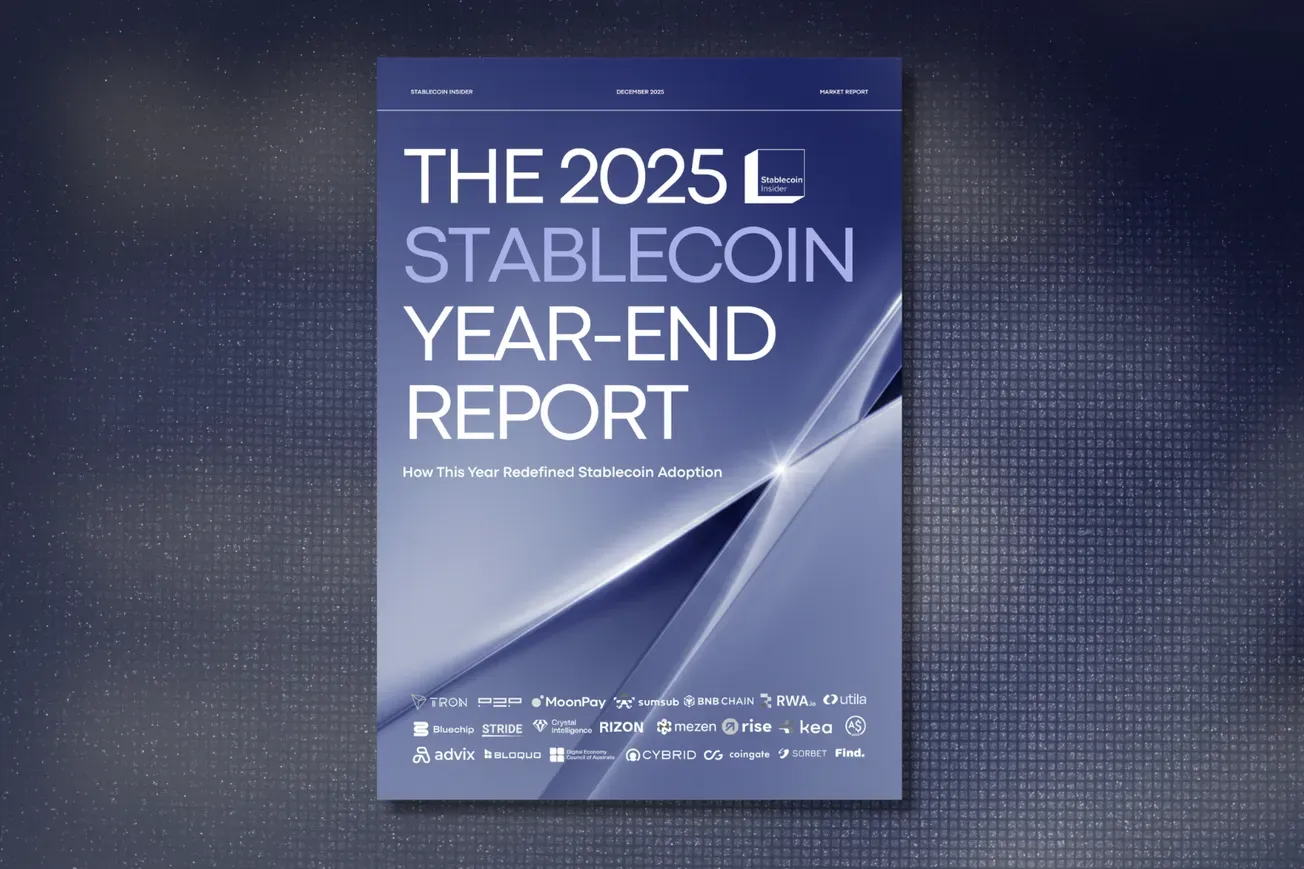
Download our "2025 Stablecoin Year-End Report"
Step 4: Implement staged enablement instead of all features on day one
A scalable onboarding system turns on capabilities gradually:
- Start with one chain and one stablecoin
- Start with lower daily volume limits
- Start with fewer supported countries
- Start with a single settlement schedule
- Expand after clean behavior is demonstrated
This reduces blowups and gives compliance teams confidence without blocking growth.
Step 5: Set limits that are dynamic, not static
Limits should be adjusted based on:
- Merchant tier
- Time since activation
- Transaction success rate
- Refund ratio
- Alerts, investigations, and wallet exposure signals
- Corridor risk
A common approach:
- Initial limits for the first 2–4 weeks
- Step-up thresholds once certain metrics are met
- Step-down rules if risk signals appear
Limits are your primary safety valve for stablecoin onboarding.
Step 6: Design a monitoring program that fits merchant workflows
Transaction monitoring should cover:
- Unusual spikes in volume or ticket size
- Rapid address churn (many new wallets in short time)
- High refund velocity or refund abuse patterns
- High-risk geographies or corridor anomalies
- Wallet exposure flags that indicate sanctions or illicit flow proximity
- Structuring behavior to evade thresholds
Monitoring must also define:
- Alert triage owners
- Investigation SLAs
- Clear escalation and offboarding triggers
- How you pause payouts or restrict acceptance when needed
Step 7: Make refunds and disputes operationally real
Merchants will ask: What happens when a customer wants a refund?
You need a policy and tooling for:
- Refunds back to the original wallet when possible
- Refunds to a different wallet only with extra verification
- Fiat refunds as an alternative, depending on your model
- Partial refunds and order cancellations
- Customer support scripts and timelines
Stablecoin rails reduce chargebacks in many cases, but disputes still exist. Your onboarding should confirm the merchant can handle refunds without creating compliance risk.
Step 8: Decide how you handle custody, settlement, and treasury
Merchant treasury is a core onboarding topic.
Define:
- Do you require a custody provider for certain tiers?
- Do you allow self-custody, and under what conditions?
- How are keys managed, and who can approve transfers?
- What happens if a wallet is compromised?
- How do you handle stablecoin redemptions, off-ramps, and banking?
For many merchants, the simplest model is: accept stablecoins, settle to fiat, and only keep stablecoins when there is a clear business reason.
Your onboarding should align settlement design with the merchant’s accounting and cash management reality.
Step 9: Document the merchant’s use case and flows
Ask merchants to define:
- Customer type (retail, B2B, marketplace buyers)
- Payment type (one-time, subscription, invoice-based)
- Average ticket and expected monthly volume
- Primary countries of customers
- Refund and cancellation policy
- Whether they expect to pay suppliers or payroll in stablecoins
This is not bureaucracy; it is how you create baseline expectations to detect anomalies later.
Implementation Checklist To Go Live Fast And Safely
1. Pre-launch checklist for merchant onboarding
Compliance and documentation
- KYB completed at the required tier
- Ownership and control verified
- Sanctions screening completed and logged
- Acceptance policy match confirmed
Technical and wallet setup
- Wallet created and tested (or custody account verified)
- Address whitelisting rules established
- Deposit confirmation and settlement test completed
- Key management and recovery plan confirmed
Operations and finance
- Reconciliation format agreed (transaction IDs, order IDs, wallet addresses)
- Settlement schedule confirmed (daily, weekly, rolling)
- Refund workflow documented and tested
- Accounting treatment aligned (how stablecoin receipts are recorded)
Support and risk
- Merchant support contact and escalation channel set
- Monitoring rules activated
- Initial limits configured
- Kill switch process documented (how to pause acceptance or payouts)
2. Recommended onboarding SLAs (what good looks like)
If you want this to scale, track:
- Time from application to first decision
- Approval rate by tier
- Time from approval to live transaction
- Fraud loss rate and alert rate
- Refund ratio and refund processing time
- Settlement failure rate and reconciliation exceptions
3. Common onboarding mistakes that slow scaling
- Treating KYB as a one-time event instead of an ongoing program
- Approving merchants without understanding their flow and corridor risk
- Enabling high limits before behavior is observed
- Ignoring wallet security and key management
- Having no clear refund policy or support workflow
- Overloading compliance teams with manual reviews for low-risk merchants
A Practical Rollout Strategy for 2026
If you are building or refining a merchant onboarding program, a strong rollout sequence is:
- Launch with low-risk tiers and limited corridors
- Standardize KYB + wallet readiness checks
- Implement dynamic limits and staged enablement
- Expand chains and tokens only after operational stability
- Add enhanced tiers once monitoring and investigations are mature
This approach keeps growth predictable and reduces risk incidents that can kill internal support for stablecoin payments.

Conclusion
Onboarding merchants for stablecoin payments in 2026 is about building a controlled system: KYB that matches stablecoin-specific exposure, risk tiers that map to real limits, and operational readiness that prevents wallet and refund failures.
The programs that scale fastest are the ones that treat onboarding as a lifecycle: approve the right merchants quickly, monitor behavior continuously, and expand capabilities only as merchants prove stability.
Read Next:
- Complete Guide to Smart Contract Managed Lending in 2026
- Best Options for Yield-Bearing Stablecoin Accounts in 2026
- How to Earn Stablecoin Yield with Coinbase Prime as an Institution in 2026
FAQs:
1. What documents do merchants typically need to onboard for stablecoin payments?
Most programs require legal entity details, proof of registration, ownership information, and operational evidence such as invoices, contracts, or platform history. Higher-risk tiers often require deeper verification of beneficial owners and enhanced due diligence.
2. How long should stablecoin merchant onboarding take in 2026?
For low-risk merchants with clean documentation, onboarding can be completed quickly if KYB and wallet checks are automated. Higher-risk merchants take longer due to enhanced reviews, corridor analysis, and tighter operational requirements.
3. Do merchants need to custody stablecoins themselves?
Not always. Many merchants prefer to accept stablecoins but settle into fiat to simplify accounting and treasury. Some programs require custody providers or stricter wallet controls for elevated risk tiers.
4. How do refunds work with stablecoin payments?
Refunds should follow a defined policy: ideally back to the original wallet, with added verification if a different wallet is requested. Some setups support fiat refunds as an alternative to reduce operational and compliance complexity.
5. What are the biggest risks when onboarding merchants for stablecoin payments?
Key risks include sanctions exposure at the wallet level, fraud and refund abuse, weak wallet security, unclear ownership structures, and corridor risk in cross-border flows. These are managed through risk tiers, monitoring, staged limits, and operational controls.
6. What limits should you set for new merchants?
New merchants should start with conservative limits that increase only after clean behavior is demonstrated. Dynamic limits based on tier, transaction patterns, refund ratios, and monitoring results are more effective than fixed limits.
Disclaimer:
This content is provided for informational and educational purposes only and does not constitute financial, investment, legal, or tax advice; no material herein should be interpreted as a recommendation, endorsement, or solicitation to buy or sell any financial instrument, and readers should conduct their own independent research or consult a qualified professional.