
Table of Contents
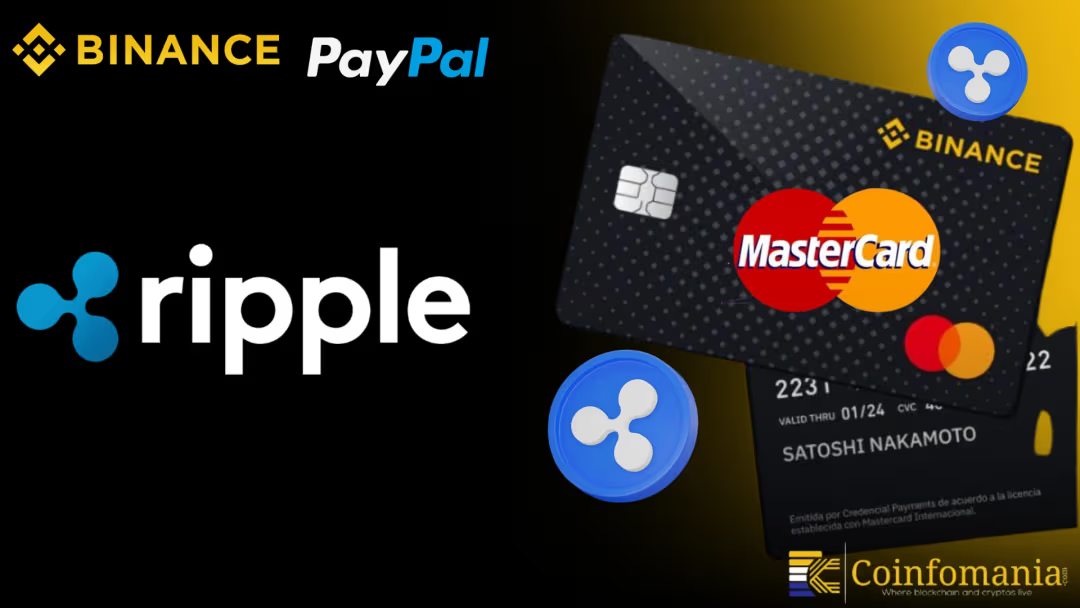
On March 11, 2026, Mastercard announced the launch of its Crypto Partner Program, a groundbreaking initiative that brings together over 85 companies to embed blockchain technology into its vast global payment network.
This collaborative effort bridges the gap between digital assets and traditional finance, featuring prominent players such as Binance, PayPal, Ripple, Circle, Gemini, and Paxos.
Aimed at streamlining cross-border transfers, B2B payments, and global payouts, the program signals a major shift toward mainstream blockchain utility, especially as regulatory landscapes evolve to support crypto integration.
Key Takeaways
- Mastercard's program unites over 85 partners, including Binance, PayPal, and Ripple, to integrate blockchain for enhanced global payment efficiency.
- It focuses on cross-border transfers, B2B payments, and stablecoin settlements to enable faster, cheaper 24/7 transactions.
- Builds on innovations like Crypto Credential and MetaMask integrations, emphasizing compliance and interoperability.
- Benefits include programmable payments, reduced costs, and new products, driving competition with Visa and mainstream crypto adoption.
- Signals blockchain's maturation, fostering hybrid finance amid supportive regulations.
Building on Mastercard's prior innovations, including the 2024 Crypto Credential for secure blockchain interactions and recent partnerships like the MetaMask debit card and SoFiUSD settlements, the program expands its Accelerate initiative.
It invites crypto platforms, wallets, and issuers to take advantage of Mastercard's infrastructure across 200+ countries, enabling seamless card issuance and spending of digital currencies.
This move not only enhances accessibility but also prioritizes compliance with KYC/AML standards, addressing key barriers in the crypto space.
The announcement aligns with industry trends, such as the rise of stablecoins and tokenized assets, where Mastercard has already collaborated with entities like Consensys on CBDC explorations.
By fostering interoperability between stablecoins, tokenized assets, and traditional payment rails, the program positions Mastercard as a leader in hybrid finance.
Key Details and Features
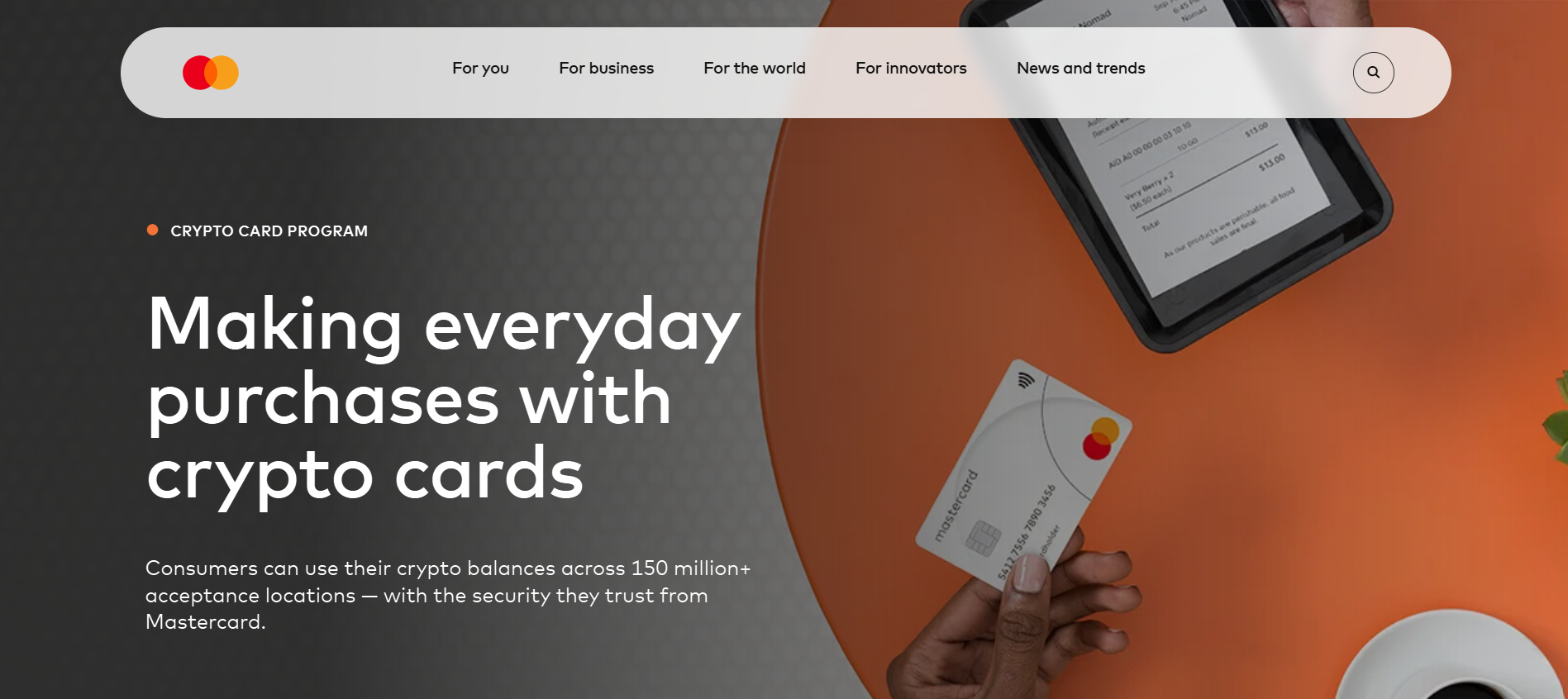
The Crypto Partner Program creates dedicated forums for participants to collaborate with banks and merchants on blockchain applications. Partners gain access to Mastercard's merchant network of over 100 million acceptance points, allowing users to spend crypto effortlessly for everyday transactions.
Core features include:
- Security and Compliance Focus: Leveraging the Crypto Credential, it verifies user interactions on blockchain networks, ensuring fraud reduction and regulatory adherence.
- Stablecoin and Tokenized Asset Integration: Enables end-to-end stablecoin transactions for 24/7 instant settlements, reducing costs and delays in cross-border and B2B processes.
- Expanded Ecosystem: Through the Start Path program, it supports fintech startups in innovating blockchain services, including programmable payments and new financial products.
- CBDC and Cross-Border Enhancements: Collaborations extend to central bank digital currencies, with tools for efficient global payouts.
Key partners play specialized roles: Binance and Gemini provide liquidity; Ripple and Circle offer stablecoin solutions for settlements via networks like the XRP Ledger; PayPal facilitates consumer payments; Paxos and Dfns supply secure wallet infrastructure.
Early adopters like Wirex and MetaMask highlight practical implementations, such as U.S.-based crypto debit cards that convert digital assets to fiat instantly.
Market implications are significant, intensifying competition with Visa's stablecoin efforts and potentially boosting tokens like XRP and BNB through real-world adoption. While enthusiasm is evident in X discussions, challenges like volatility and regulation persist.
Conclusion
Mastercard's Crypto Partner Program represents a transformative leap in financial technology, merging blockchain's innovative potential with established payment infrastructure to create a more efficient, inclusive global economy.
By addressing inefficiencies in traditional finance and promoting real-world crypto utility, it paves the way for widespread adoption.
As partnerships scale and technologies evolve, this initiative could redefine cross-border commerce, benefiting consumers, merchants, and the broader ecosystem in an era of hybrid finance.
Read Next:
- Best Stablecoin Settlement Tools For Marketplaces in 2026
- The Biggest Stablecoin Trends In 2026
- 9 Fastest-Growing Stablecoin Use Cases In 2026
FAQs:
1. What is Mastercard's Crypto Partner Program?
Launched on March 11, 2026, it's a collaborative initiative with over 85 firms integrating blockchain into global payments for efficiency, compliance, and innovation.
2. Who are the key partners involved?
Major players include Binance for liquidity, PayPal for consumer payments, Ripple and Circle for stablecoin solutions, Gemini, Paxos, and others like MetaMask and Wirex.
3. What are the main objectives?
To streamline cross-border transfers, B2B payments, and global payouts using stablecoins and tokenized assets, reducing costs, delays, and enabling 24/7 settlements.
4. How does it benefit users and businesses?
It offers secure card issuance, programmable payments, and access to Mastercard's network, fostering new financial products while ensuring KYC/AML compliance.
5. What market impact does it have?
It boosts blockchain adoption, competes with Visa, and could elevate token values like XRP through real-world applications, amid evolving regulations.
Disclaimer:
This content is provided for informational and educational purposes only and does not constitute financial, investment, legal, or tax advice; no material herein should be interpreted as a recommendation, endorsement, or solicitation to buy or sell any financial instrument, and readers should conduct their own independent research or consult a qualified professional.