

Table of Contents
On January 5, 2026, Jupiter Exchange, a leading decentralized platform on the Solana blockchain, launched JupUSD, a new reserve-backed stablecoin developed in collaboration with Ethena Labs.
This initiative marks a strategic advancement in Solana's DeFi ecosystem, focusing on enhanced liquidity, yield generation, and internal efficiency.
Pegged 1:1 to the US dollar, JupUSD addresses key challenges in decentralized finance by integrating institutional-grade assets and optimizing protocol operations.
The launch aligns with broader trends in stablecoin innovation, where protocols seek to reduce dependency on external assets like USDC while capturing more value within their ecosystems.
Jupiter, known for its aggregator tools handling billions in trading volume, positions JupUSD as a core settlement asset across its suite of products. This move comes amid growing institutional interest in tokenized real-world assets, with Ethena's involvement providing a foundation for scalable, yield-bearing solutions.
Key Takeaways
- JupUSD launches as Solana's yield-optimized stablecoin, backed 90% by Ethena's USDtb for stable 5-10% APY potential.
- Ethena partnership enables whitelabel customization, integrating US Treasury yields into DeFi lending and swaps.
- Replaces $500M USDC in Jupiter pools, boosting internal liquidity and fee capture for JUP token holders.
- Open-sourced code with triple audits ensures security, custody via Anchorage for institutional compliance.
- Fees split 50/50 for JUP buybacks and rewards, driving ecosystem growth on Solana blockchain.
Partnership Details and Technical Backing
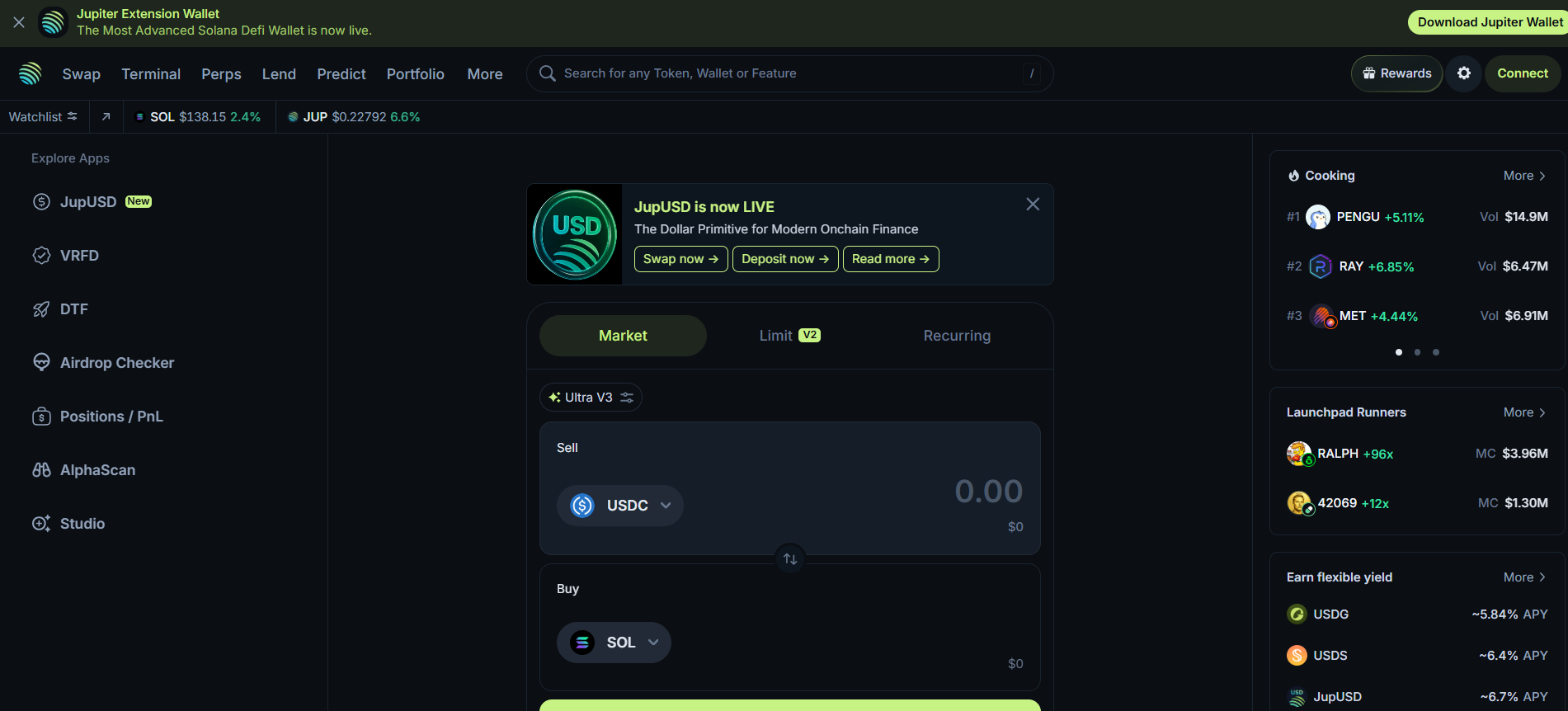
JupUSD's collateral structure is designed for stability and transparency. It is initially backed by 90% Ethena's USDtb, a tokenized US Treasury bill product derived from BlackRock's BUIDL fund, and 10% USDC to ensure immediate liquidity.
Custody is managed by Anchorage Digital, a regulated entity specializing in institutional crypto services, which adds a layer of compliance and security.
The stablecoin's smart contract code is fully open-sourced and has undergone audits by three independent firms, mitigating risks associated with DeFi deployments.
Ethena's Whitelabel program enables this customization, allowing protocols like Jupiter to leverage Ethena's infrastructure for stablecoin issuance. Future plans include deeper integration with Ethena's USDe, a synthetic dollar asset, to further optimize yields and risk management.
This collaboration uses Ethena's expertise in delta-neutral strategies, where yields are generated through basis trades and short funding rates, without exposing users to excessive volatility.
For Jupiter, this means transitioning away from reliance on Circle's USDC, which currently underpins around $500 million in its Jupiter Liquidity Provider (JLP) pools. By phasing in JupUSD, the platform aims to streamline operations and retain more fees internally.
Ecosystem Integration and Utility
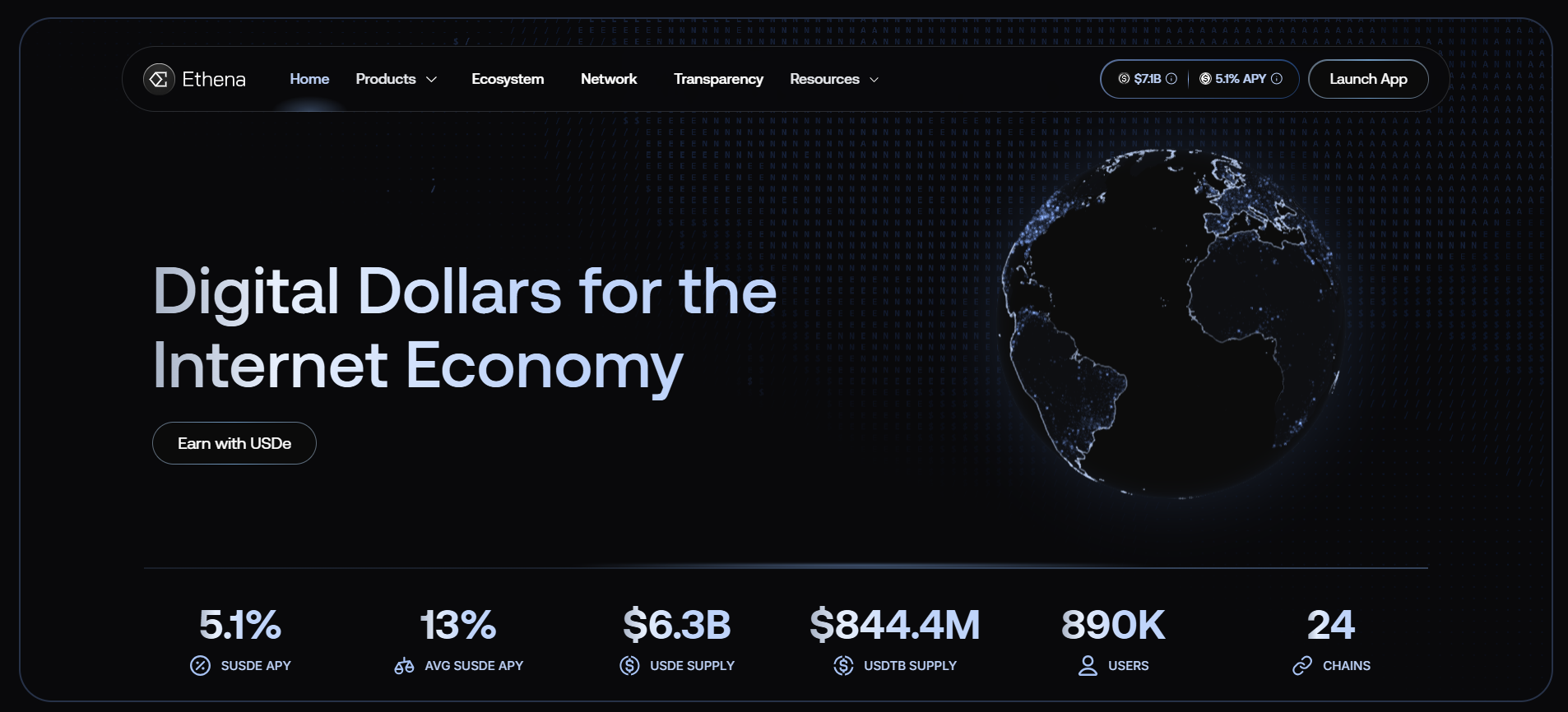
JupUSD is embedded directly into Jupiter's product lineup, starting with Jupiter Lend.
Users can deposit JupUSD into lending vaults to access layered yields, combining base rates from USDtb with additional rewards from borrowing and liquidity provision.
While the stablecoin itself does not accrue yields for passive holders, its utility drives potential returns of 5-10% APY through ecosystem activities.
Key integrations include:
- Swap and Perpetual Exchanges: JupUSD serves as the primary quote asset, reducing slippage and improving capital efficiency in trades.
- Mobile and Send Features: Enables seamless, low-cost transfers within the Jupiter app, targeting retail users on Solana.
- Liquidity Pools: Gradual replacement of USDC in JLP pools to centralize liquidity and minimize external dependencies.
Protocol fees generated from JupUSD transactions are allocated strategically: 50% to buybacks and burns of the JUP governance token, enhancing token scarcity, and the remaining 50% to staking rewards and ecosystem growth initiatives. This fee model incentivizes long-term participation and aligns user interests with platform development.
The launch has immediate implications for Solana DeFi, where high-speed, low-fee transactions are paramount.
By internalizing stablecoin operations, Jupiter reduces oracle dependencies and potential points of failure, fostering a more resilient environment for traders and liquidity providers.
Market Context and Implications
Stablecoins represent a cornerstone of crypto markets, with total circulation exceeding $300 billion as of early 2026. JupUSD enters a competitive landscape dominated by USDT and USDC, but differentiates through its yield focus and Solana-native design. This reflects a shift toward "yield-bearing stablecoins," where assets like USDtb provide returns backed by traditional finance instruments.
For developers and institutions, JupUSD offers a blueprint for protocol-owned liquidity. It could influence other Solana projects, such as DEXs and lending platforms, to adopt similar models.
Risks include collateral depegging in extreme market conditions, though Ethena's hedging mechanisms aim to counteract this. Early adoption metrics will be crucial, with Jupiter's existing user base of millions providing a strong foundation.

Conclusion
JupUSD's debut strengthens Solana's DeFi infrastructure, blending traditional yields with blockchain efficiency.
Monitor adoption for broader market impact, and stay tuned for the latest stablecoin news.
Read Next:
- 2025 Stablecoin Year-End Report
- 2025 Stablecoin Spending Report
- Who Is Winning the Stablecoin Infrastructure Race?
FAQs:
1. What is JupUSD?
JupUSD is a USD-pegged stablecoin launched by Jupiter Exchange with Ethena Labs, backed by tokenized Treasuries for DeFi utility on Solana.
2. How does JupUSD generate yields?
Through integrations like Jupiter Lend, offering 5-10% APY via USDtb collateral and layered rewards, not direct holder accrual.
3. What backs JupUSD?
90% Ethena's USDtb (BlackRock BUIDL-linked) and 10% USDC, with Anchorage Digital custody.
4. Is JupUSD available now?
Yes, live on Jupiter Lend since January 5, 2026, with expansions to swaps and pools planned.
5. What are the risks?
Potential depegging or market volatility, mitigated by audits and Ethena's delta-neutral strategies.
Disclaimer:
This content is provided for informational and educational purposes only and does not constitute financial, investment, legal, or tax advice; no material herein should be interpreted as a recommendation, endorsement, or solicitation to buy or sell any financial instrument, and readers should conduct their own independent research or consult a qualified professional.