Table of Contents
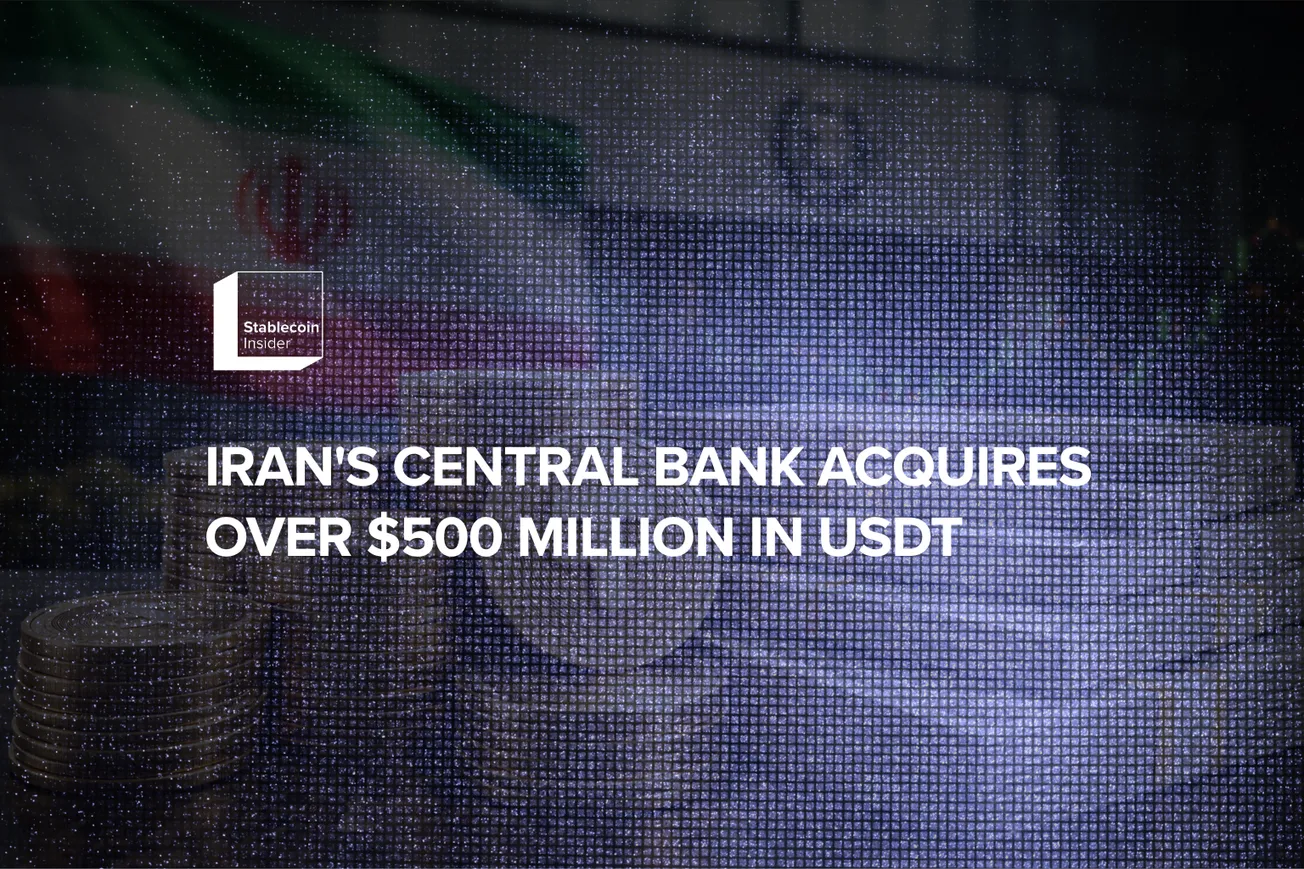
On January 21, 2026, blockchain analytics firm Elliptic released an analysis showing that the Central Bank of Iran (CBI) has acquired at least $507 million in Tether's USDT.
This revelation highlights how sanctioned entities leverage cryptocurrency to navigate financial restrictions.
The CBI's accumulation of USDT, tracked through transparent blockchain data, underscores stablecoins' role in bypassing traditional banking barriers imposed by international sanctions.
Key Takeaways
- Iran's CBI acquired $507M USDT via TRON/Ethereum wallets for sanctions evasion.
- Funds routed to Nobitex pre-June 2025, then cross-chain bridges post-hack.
- USDT used to inject USD liquidity, stabilizing rial amid economic collapse.
- Blockchain transparency enables tracking, leading to Tether freezes of $37M.
- Strategy creates synthetic dollar system for trade, highlighting regulatory gaps.
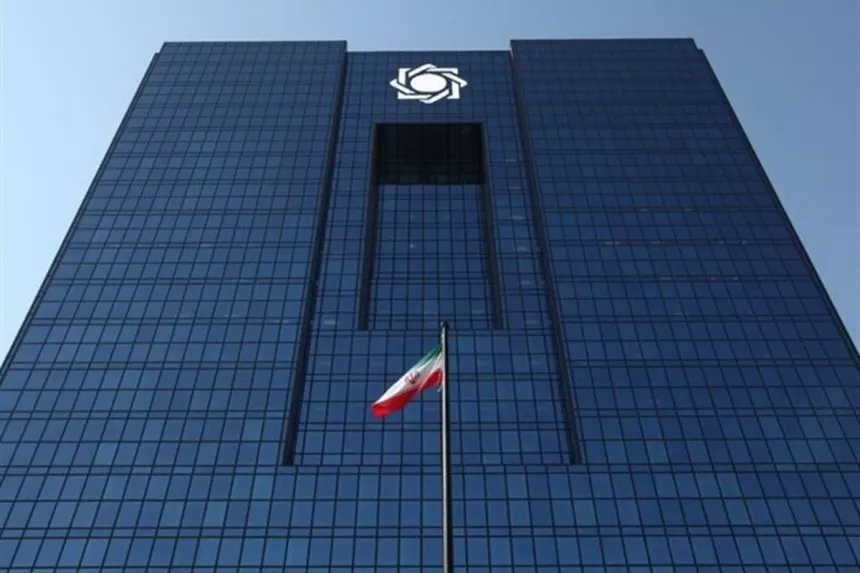
Iran has faced stringent US-led sanctions since 2018, limiting access to global financial systems and foreign reserves. These measures aim to curb Iran's nuclear program and regional activities.
With official reserves frozen, the CBI turned to digital assets for liquidity.
Elliptic's findings, based on leaked documents from April and May 2025, detail two initial USDT purchases paid in Emirati Dirhams (AED). Researchers mapped CBI-linked wallets, confirming a systematic buildup exceeding half a billion dollars.
Analysis of Acquisition Methods
The CBI employed a network of wallets on the TRON and Ethereum blockchains to receive USDT.
Until early June 2025, most funds flowed to Nobitex, Iran's largest cryptocurrency exchange, where they could be stored, traded for other assets, or converted to Iranian rials. This facilitated direct injection of US dollar liquidity into local markets.
Post-June 2025, the strategy shifted. USDT was routed through cross-chain bridges to move from TRON to Ethereum, then converted via decentralized exchanges, transferred to other blockchains, and processed through centralized platforms.
This change coincided with a hack on Nobitex by the pro-Israel group Gonjeshke Darande ("Predatory Sparrow") on June 18, 2025, which stole $90 million in cryptoassets and destroyed them by sending to inaccessible wallets. The group targeted Nobitex for its alleged role in sanctions evasion and funding activities.
The accumulation aligned with economic turmoil in Iran. The Iranian rial halved in value over eight months in 2025, hitting record lows against the US dollar.
Sanctions barred the CBI from using traditional reserves for market interventions, making USDT a practical alternative. By treating USDT as "digital off-book eurodollar accounts," the CBI created a sanctions-resistant mechanism for settling imports and repatriating export revenues. This approach, authorized in August 2022, forms a closed-loop trade system using synthetic dollars.
Blockchain Tracking and Enforcement
Blockchain's inherent transparency enabled Elliptic to trace these flows using tools like Elliptic Investigator. Wallets were identified with high confidence, establishing $507 million as a conservative estimate. This visibility contrasts with opaque traditional finance, allowing real-time monitoring of illicit activities.
Enforcement actions followed. Tether blacklisted several CBI-linked wallets on June 15, 2025, freezing $37 million in USDT.
Stablecoin issuers like Tether can disable transactions, providing a tool for sanctions compliance. Broader context includes Israeli authorities linking $1.5 billion in USDT transactions to Iran's Islamic Revolutionary Guard Corps (IRGC) in September 2025, leading to freezes of 187 wallets. A separate $700 million freeze on Tron-exposed wallets highlighted ongoing evasion tactics.
These developments emphasize stablecoins' dual nature:
Enabling evasion while offering traceability for regulators. Exchanges and custodians can implement controls to block sanctioned entities, reducing risks.
Implications for Global Finance
Iran's USDT strategy replicates international dollar account functions outside sanctioned systems, supporting currency stability and trade. This raises concerns for stablecoin regulation, especially in the US, where legislative efforts target misuse. Geopolitical tensions, including Iran-Israel conflicts, amplify scrutiny.
For the crypto industry, it underscores the need for robust analytics to prevent illicit use. Sanctioned nations like Iran may increase stablecoin adoption, prompting issuers to enhance freezing capabilities. Overall, blockchain data empowers enforcement, proving no system is entirely evasion-proof.
Conclusion
Elliptic's analysis exposes CBI's $507M USDT strategy as a tactical response to sanctions, leveraging blockchain for liquidity but inviting traceable enforcement. Regulators must adapt to close these gaps swiftly.
Read Next:
- Best Stablecoin Payroll Platforms in 2026
- A Tactical Guide of Global Stablecoin Accounts (GSAs)
- Savings GHO (sGHO) from Aave: Full 2026 Review
FAQs:
1. What is USDT and its role in Iran's economy?
USDT is Tether's USD-backed stablecoin, used by CBI to bypass sanctions and support rial value through liquidity injections.
2. How did Elliptic track CBI's USDT acquisitions?
Using leaked documents and blockchain analytics, Elliptic mapped wallets on TRON/Ethereum, confirming $507M inflows.
3. Why shift from Nobitex to bridges in June 2025?
A pro-Israel hack stole $90M from Nobitex, prompting CBI to use cross-chain services for asset conversion.
4. What are implications of USDT freezes?
Tether's blacklisting of wallets demonstrates stablecoin enforcement tools against sanctions evasion.
5. How does this affect global stablecoin regulation?
It exposes evasion risks, pushing for stricter US/EU oversight on crypto flows to sanctioned entities.
Disclaimer:
This content is provided for informational and educational purposes only and does not constitute financial, investment, legal, or tax advice; no material herein should be interpreted as a recommendation, endorsement, or solicitation to buy or sell any financial instrument, and readers should conduct their own independent research or consult a qualified professional.