
Table of Contents
In a significant development for the decentralized finance (DeFi) sector, Flying Tulip, the on-chain exchange platform founded by renowned developer Andre Cronje, has launched its native stablecoin, ftUSD, on the Sonic blockchain.
This move allows users to mint ftUSD using USDC and earn competitive yields by staking it as sftUSD.
With initial parameters featuring an approximate 6% annual percentage yield (APY) and a 1 million ftUSD supply cap, the launch aims to provide a stable, yield-bearing alternative in the growing DeFi ecosystem.
Key Takeaways
- Yield Optionality: ftUSD offers stability without yield; sftUSD provides ~6% APY for opt-in earners.
- Launch Parameters: Initial ~6% yield on Sonic, 1M ftUSD cap to manage supply.
- Backing and Risks: Pegged via delta-neutral strategies; risks include smart contract vulnerabilities and market deviations.
- Ecosystem Integration: Usable for trading, lending, and collateral within Flying Tulip.
- Expansion Plans: Future multi-chain support and enhanced strategies for higher yields.
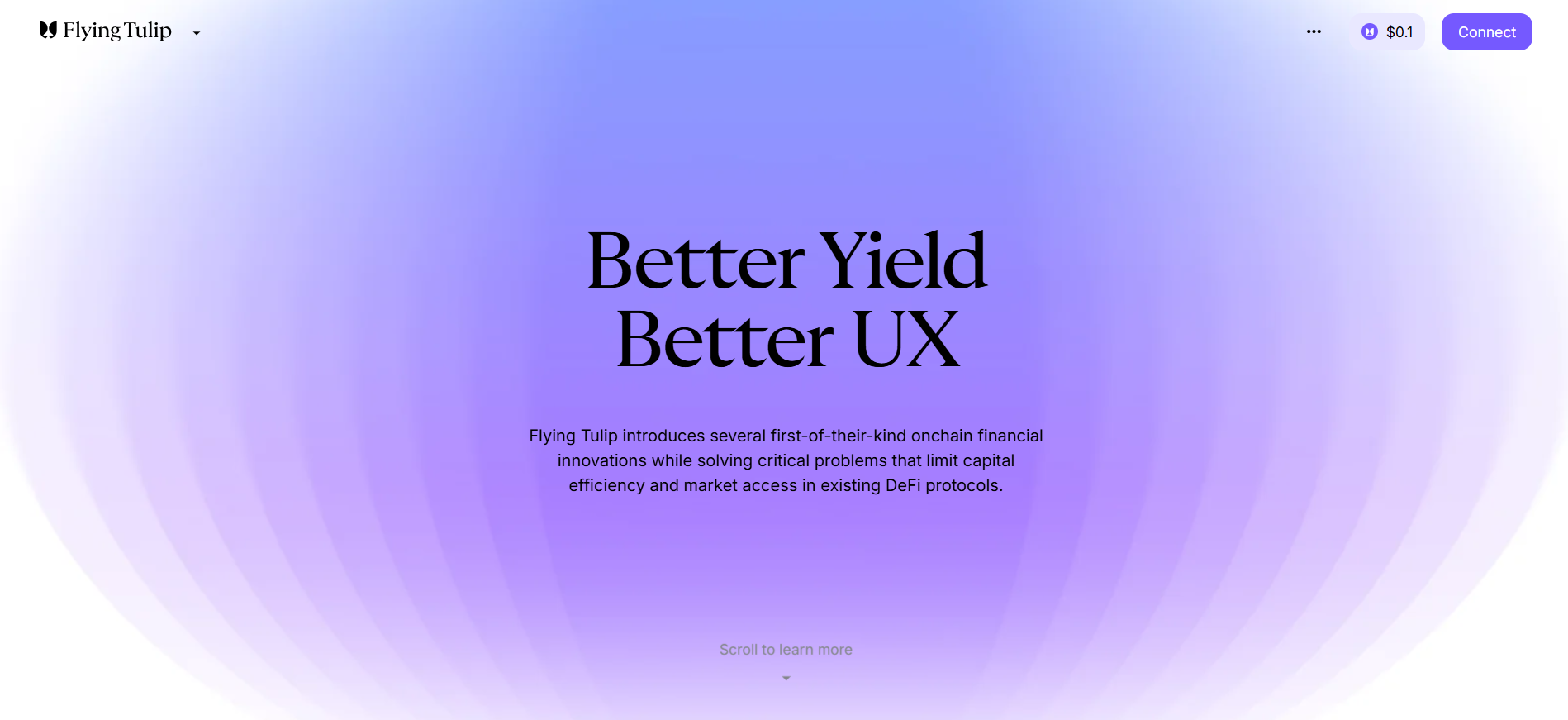
Flying Tulip, known for integrating spot trading, derivatives, lending, and stablecoins, positions ftUSD as a core settlement currency.
By default, ftUSD is non-yielding to ensure stability for uses like collateral and payments. However, users seeking returns can opt-in by staking to sftUSD, where yields accrue from underlying strategies such as stablecoin lending on protocols like Aave.
The project, which raised over $200 million in funding, emphasizes transparency, on-chain automation, and risk management to maintain its $1 peg.
Key Features and Launch Details
ftUSD operates as a dollar-pegged token, initially backed by USDC and USDT wrappers deployed into yield-generating venues.
On Sonic, users can mint ftUSD directly with USDC, then stake it to sftUSD to access the yield. Current APY on Sonic stands at around 6.01%, derived from delta-neutral strategies that balance positions to minimize volatility.
These strategies include supplying collateral to money markets, borrowing hedging assets, and earning staking rewards, all while enforcing position caps and rebalancing to mitigate risks.
The initial 1 million ftUSD cap limits early supply, promoting controlled growth and liquidity depth.
As of recent data, circulating supply hovers below this threshold, with total value locked (TVL) exceeding $700,000 across supported chains.
Flying Tulip plans to expand ftUSD's capabilities, incorporating advanced yield mechanisms targeting 4-8% returns, such as short funding and covered calls.
Supported on Sonic and Ethereum initially, with multi-chain expansion underway, ftUSD integrates seamlessly into Flying Tulip's suite.
Yields are distributed via protocol fees and strategy carry, accrued to sftUSD holders in FT tokens, the platform's governance asset. Unstaked ftUSD directs proceeds to the treasury, funding operations without diluting stakers.
Conclusion
The launch of ftUSD on Sonic marks a milestone for Flying Tulip, blending stability with yield in a user-centric DeFi model.
By allowing USDC holders to earn returns without mandatory exposure, it addresses key pain points in stablecoin adoption.
As DeFi shifts, projects like this could drive mainstream integration, provided they navigate regulatory and market challenges effectively.
With Andre Cronje's track record, ftUSD is poised to enhance liquidity and innovation on Sonic and beyond.
Read Next:
- Best Stablecoin Settlement Tools For Marketplaces in 2026
- The Biggest Stablecoin Trends In 2026
- 9 Fastest-Growing Stablecoin Use Cases In 2026
FAQs:
1. What is ftUSD?
ftUSD is Flying Tulip's USD-pegged stablecoin, designed for stability with optional yield through staking as sftUSD.
2. How do I earn yield on ftUSD?
Mint ftUSD with USDC, then stake it to sftUSD to accrue ~6% APY from strategies like Aave lending.
3. What is the initial supply cap for ftUSD?
The launch includes a 1 million ftUSD cap to control early distribution.
4. Which chains support ftUSD?
Currently on Sonic and Ethereum, with plans for further expansion.
5. Is the yield guaranteed?
No, yields are variable based on strategy performance and are not fixed.
Disclaimer:
This content is provided for informational and educational purposes only and does not constitute financial, investment, legal, or tax advice; no material herein should be interpreted as a recommendation, endorsement, or solicitation to buy or sell any financial instrument, and readers should conduct their own independent research or consult a qualified professional.