
Table of Contents
Depending on your bank and country, basic savings accounts can sit well below inflation, while USDC yield products frequently advertise mid-single-digit returns and, in some cases, higher; depending on platform type, lockups, and eligibility.
USDC is a U.S. dollar-backed stablecoin designed to maintain a 1:1 value with USD. In practice, earning yield on USDC is not staking in the proof-of-stake sense. It’s typically lending, liquidity provisioning, or centralized yield programs that distribute revenue back to depositors.
Key Takeaways
- Aave offers variable USDC yields with no fixed lockups, best for DeFi users prioritizing flexibility and transparency.
- Nexo advertises higher “up to” rates, but returns usually depend on terms, tiers, and jurisdiction eligibility.
- Kraken provides a simple Earn-style experience with clear flexible vs bonded options, suited to newcomers.
- The right platform depends on custody preference, liquidity needs, technical comfort, and risk tolerance.
- Diversifying across custody models (CeFi + DeFi) can reduce single-platform exposure risk.
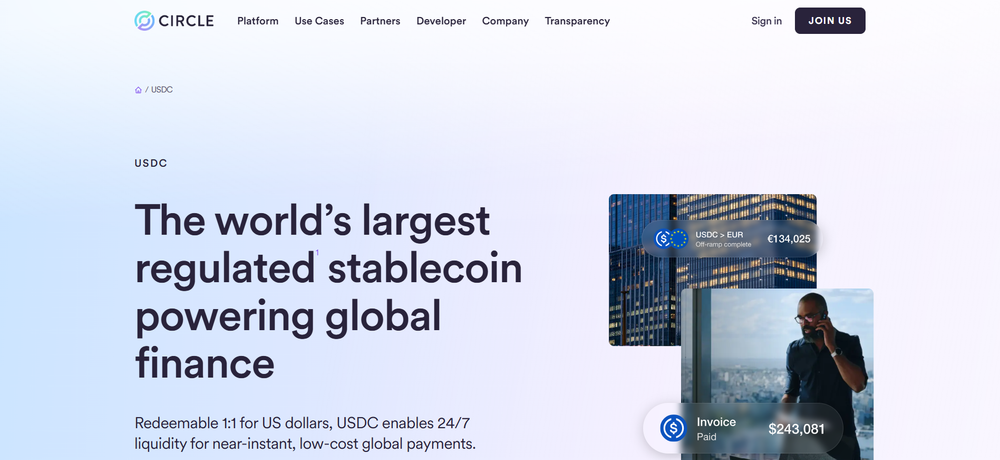
Quick Platform Comparison (Indicative for 2026)
| Platform | Yield Type | Lock Period | Platform Type | Custody Model | Best For |
|---|---|---|---|---|---|
| Aave | Variable | None (subject to liquidity) | DeFi | Self-custody via smart contracts | DeFi-native users |
| Nexo | Advertised “up to” rate | Often higher with fixed terms | CeFi | Platform custody | Yield-focused users |
| Kraken | Flexible + optional bonded | Bonded option typically time-based | CeFi exchange | Platform custody | Beginners and simplicity seekers |
Note:
Yields are dynamic and can change frequently.
Always verify the live rate and terms inside the platform before depositing.
What USDC Yield Means (And What It Isn’t)
USDC does not generate yield by securing a blockchain network. Most USDC yield is produced through:
1. Lending Markets
Your USDC is pooled and lent to borrowers. Interest rates typically rise when borrowing demand increases and fall when demand cools.
2. Liquidity Provision
USDC may be contributed to trading pools that facilitate stablecoin swaps. You can earn trading fees and, sometimes, additional incentives.
3. Centralized Yield Programs
Centralized platforms may lend to vetted counterparties or deploy treasury strategies, then share some of the proceeds with users. The exact mechanism varies by provider and may be affected by local rules.
Platform Categories: How to Choose the Right Model for 2026
A) CeFi (Centralized Finance)
CeFi platforms operate more like crypto financial institutions. They handle custody, onboarding, support, and compliance.
Common traits
- Smoother onboarding and UX
- Customer support
- KYC requirements
- You do not control private keys while funds are on-platform
B) DeFi (Decentralized Finance)
DeFi protocols use smart contracts to run lending and borrowing without traditional intermediaries.
Common traits
- Self-custody (you keep wallet control)
- Transparency on-chain
- No KYC at the protocol level
- Requires wallet and network management
- Smart contract and operational risk
Top 3 USDC Yield Platforms in 2026
1) Aave: Best for Flexibility and On-Chain Transparency (DeFi)

Aave is a major DeFi lending protocol where USDC suppliers earn a variable rate that changes with market utilization.
How USDC Yield Works on Aave
- You supply USDC into a lending pool
- Borrowers pay interest
- Your yield adjusts based on supply and demand dynamics
- You typically receive an interest-bearing representation of your deposit that increases as interest accrues
Setup (Practical Steps)
- Use a reputable wallet (hardware wallet preferred for larger balances).
- Choose a supported network where Aave is deployed.
- Ensure you have the correct gas token for that network.
- Connect your wallet to the official Aave interface.
- Approve USDC spending (one-time per token and network).
- Supply USDC and confirm the transaction.
Advantages
- Self-custody model (you control your wallet)
- No fixed lockups in the base lending product
- Transparent, on-chain mechanics
- Integrates well with other DeFi strategies
- Multiple network deployments can reduce costs
Disadvantages
- Variable rates (your yield can drop quickly)
- Requires wallet competency and safe operational habits
- Gas costs can be meaningful on some networks
- Smart contract risk exists even with audits
- No traditional customer support
Best For: Users who value self-custody, transparency, and flexibility, and who can manage wallets safely.
2) Nexo: Highest Advertised Yield With Conditions (CeFi)
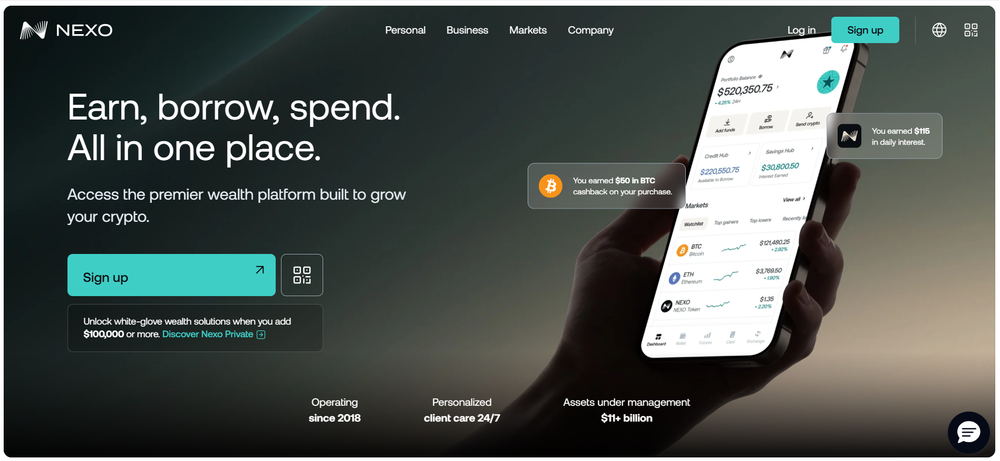
Nexo is a centralized platform that advertises higher “up to” yields on USDC, typically achieved through specific program conditions.
How Nexo Yield Usually Scales
Centralized platforms often offer better rates when you:
- Accept fixed terms (lockups)
- Meet loyalty or tier requirements
- Choose rewards in a platform token (if offered)
- Maintain certain portfolio composition thresholds
Practical Optimization Tactics
- Prefer laddering fixed terms (split deposits across different start dates) to maintain rolling liquidity.
- Keep a portion in flexible terms for unexpected cash needs.
- Separate “yield portfolio” from “operational spending” funds.
Advantages
- Higher advertised rates than many simple options
- Easy interface compared to DeFi
- Often includes additional services (loans, exchange, cards in some regions)
Disadvantages
- Platform custody risk (you rely on the company)
- Best rates often require lockups or additional conditions
- Eligibility can vary by jurisdiction
- Changes to terms can impact expected returns
- If loyalty tiers rely on a platform token, token volatility can indirectly affect your effective strategy
Best For: Yield-focused users who accept centralized custody and can comply with eligibility requirements.
3) Kraken: Best for Beginners and Operational Simplicity (CeFi Exchange)
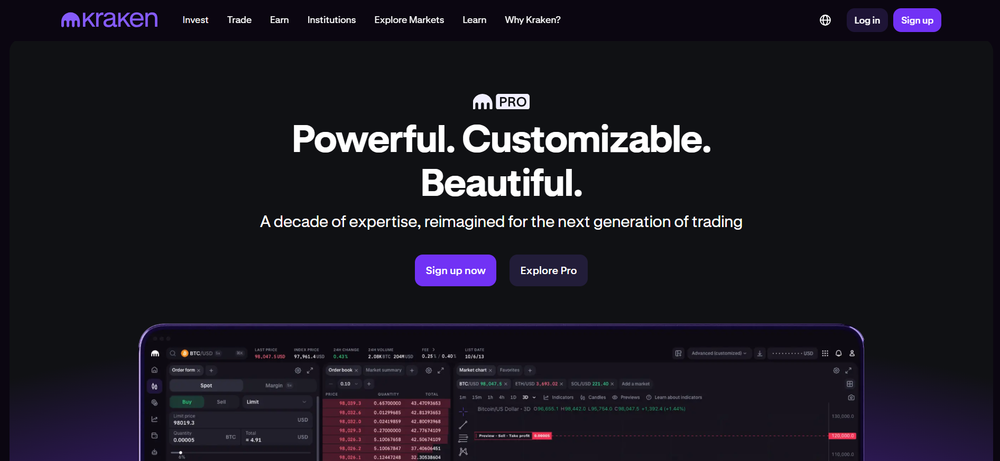
Kraken’s USDC rewards offerings are designed to be easy to use, with a straightforward interface and clear distinctions between flexible and bonded options.
How Kraken-Style Rewards Typically Work
- You hold USDC on the platform
- You opt into a rewards program
- You earn a published rate under the program’s terms
- You may be able to choose flexible or bonded versions depending on availability
Setup (Practical Steps)
- Create an account and complete identity verification as required.
- Enable strong security: authenticator-based 2FA and additional account locks if available.
- Fund your account via bank transfer or crypto deposit.
- Convert to USDC or deposit USDC directly.
- Enable USDC rewards (and bonded terms if you want the higher rate).
Advantages
- Beginner-friendly onboarding
- Clear product flows and controls
- Centralized support and account recovery options
- Familiar exchange environment for many users
Disadvantages
- Platform custody risk
- Bonded terms restrict access during the bond period
- Availability and rates can differ by region
- Program terms can change over time
Best For: Newcomers who want ease of use and a conservative operational approach versus advanced yield optimization.
Choosing the Right Platform: A Simple Framework
1) Risk Tolerance
- Conservative: Prefer simpler CeFi products with clear terms and strong account security.
- Moderate: Mix CeFi and DeFi to diversify custody models.
- Aggressive (Yield-First): You may accept lockups or conditions in exchange for higher rates, but must manage platform risk tightly.
2) Technical Comfort
- Beginner: CeFi (easiest onboarding).
- Intermediate: CeFi + limited DeFi exposure.
- Advanced: DeFi-first with structured risk controls and multi-protocol strategies.
3) Liquidity Needs
- Need instant access: Favor flexible terms and avoid bonding/lockups.
- Can lock 1–3 months: Bonded or fixed terms may improve yield.
- Long-term holdings: Ladder fixed terms for recurring liquidity.
Download our "2025 Stablecoin Year-End Report"
Security Best Practices (Non-Negotiables)
Platform Due Diligence
Before depositing meaningful sums, validate:
- Where the company operates and whether you’re eligible
- What the terms say about custody, rehypothecation, and withdrawal rules
- Whether rates are promotional, conditional, or fixed
Account and Wallet Security
- Use authenticator or hardware-key 2FA (avoid SMS where possible).
- Use unique passwords and a dedicated email if practical.
- Enable withdrawal protections (whitelists, delays, confirmations).
- Bookmark official URLs and avoid clicking random links.
Risk Mitigation
- Start small and test deposits/withdrawals.
- Avoid concentrating funds on a single platform.
- Mix CeFi and DeFi if you understand both models.
- Review rates and terms periodically, assume they can change.
Advanced Yield Approaches (Use With Care)
Core–Satellite Allocation
- Keep a core portion in a simple, liquid product.
- Allocate a satellite portion to higher stablecoin yield strategies with tighter monitoring.
Laddering
For fixed/bonded terms, split deposits across multiple start dates so a portion unlocks regularly.
DeFi Composability
Advanced users may deploy interest-bearing USDC representations into other protocols to earn additional fees. This can increase returns but also increases complexity and smart contract exposure.

Conclusion
In 2026, earning yield on USDC is less about chasing the highest headline rate and more about choosing the right custody model and liquidity profile for your needs.
- Aave is best for flexible, self-custody DeFi yield with transparent, variable rates.
- Nexo can offer higher advertised yields, usually with lockups and program requirements, but introduces centralized custody risk.
- Kraken is a strong choice for beginners who want simple setup and straightforward rewards options.
The most consistent approach is to start with a single platform you fully understand, test withdrawals, implement strong security, then diversify across platforms and custody models as your confidence and needs grow.
Read Next:
- How Stablecoins Are Scaling Onchain Lending
- 50 Stablecoin Statistics That Matter in 2026
- 2025 Stablecoin Year-End Report
FAQs:
1. Is earning yield on USDC safe?
No platform is risk-free. CeFi carries custody and solvency risk. DeFi carries smart contract and wallet operational risk. Only allocate what fits your risk tolerance.
2. What’s the difference between APY and APR?
APR is simple interest. APY includes compounding. When comparing platforms, ensure you’re comparing the same metric and compounding assumptions.
3. Can I lose money earning yield on USDC?
Yes. Risks include platform insolvency (CeFi), contract vulnerabilities (DeFi), account compromise, withdrawal restrictions, or stablecoin market stress.
4. Can I withdraw anytime?
It depends. DeFi is typically withdraw-anytime if pool liquidity is available. CeFi may offer flexible products, but higher rates commonly require fixed or bonded terms.
5. What’s the simplest way to reduce risk?
Use small test deposits first, enable strong security, avoid concentrating funds on one provider, and keep a liquid portion separate from yield strategies.
Disclaimer:
This content is provided for informational and educational purposes only and does not constitute financial, investment, legal, or tax advice; no material herein should be interpreted as a recommendation, endorsement, or solicitation to buy or sell any financial instrument, and readers should conduct their own independent research or consult a qualified professional.