
Table of Contents
Beijing, December 1, 2025:
China’s central bank has once again drawn a hard red line in the sand: stablecoins are illegal, full stop.
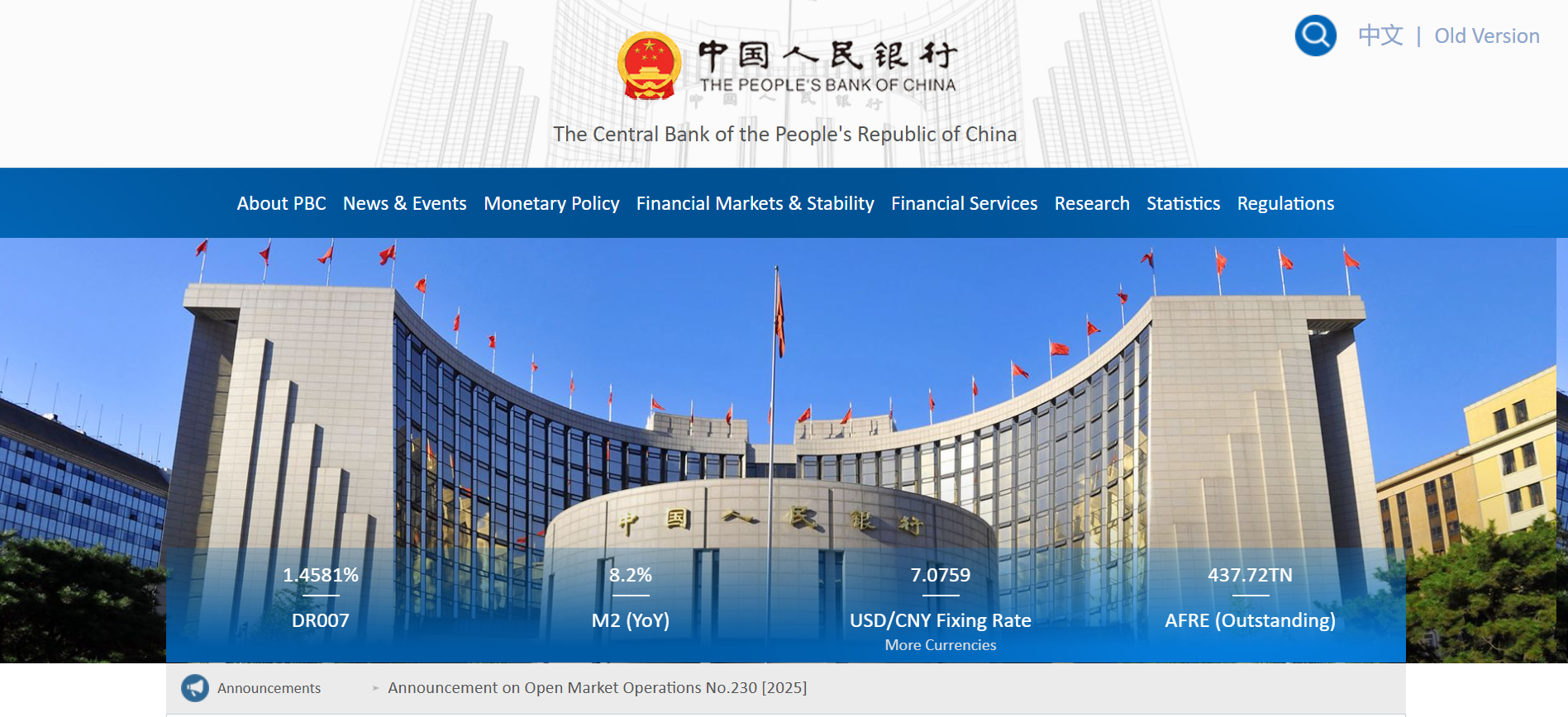
In a high-level meeting held November 28 involving 13 government agencies, the People’s Bank of China (PBOC) reaffirmed the country’s 2021 nationwide cryptocurrency ban and explicitly classified all stablecoins, including global giants USDT and USDC, as “illegal virtual currencies” that violate anti-money laundering (AML) and know-your-customer (KYC) regulations.
Key Takeaways
- All stablecoin activity remains completely illegal in mainland China, no exceptions, no gray areas.
- Authorities are prioritizing detection of stablecoin-related money laundering and capital flight.
- Investors with mainland exposure should immediately shift to fully compliant jurisdictions or e-CNY.
- The move reinforces China’s strategy of sovereign digital-currency dominance while isolating private alternatives.
- Global issuers face growing pressure to block mainland IP addresses and on-ramps.
Background: Four Years of Iron-Fisted Crypto Control
China banned cryptocurrency trading, mining, and ICOs in September 2021, forcing exchanges like Binance and Huobi to block mainland users and driving almost all mining operations offshore.
The PBOC credits the ban with “effectively rectifying market chaos.”
Yet 2025 has seen a resurgence of underground speculation, fueled by Bitcoin’s surge past $100,000 and viral social-media hype.
Regulators say stablecoins have become the primary gateway for Chinese citizens to bypass capital controls and move money offshore.
What the PBOC Actually Said
According to the official readout released late Friday:
- Stablecoins “have no legal tender status and cannot circulate as currency in the market.”
- They “fail to meet China’s anti-money laundering and counter-terrorist financing requirements.”
- Primary risks include large-scale money laundering, telecom fraud, illegal fundraising, and unauthorized cross-border capital flows.
The meeting, attended by the Supreme People’s Court, Ministry of Public Security, Cyberspace Administration, and State Administration of Foreign Exchange, vowed “severe crackdowns” on any entity facilitating stablecoin transactions.
Immediate Market Impact
Onshore over-the-counter (OTC) desks reported an instant freeze in USDT/CNY trading volumes over the weekend. Offshore exchanges with significant Chinese user bases saw withdrawal delays as compliance teams scrambled.
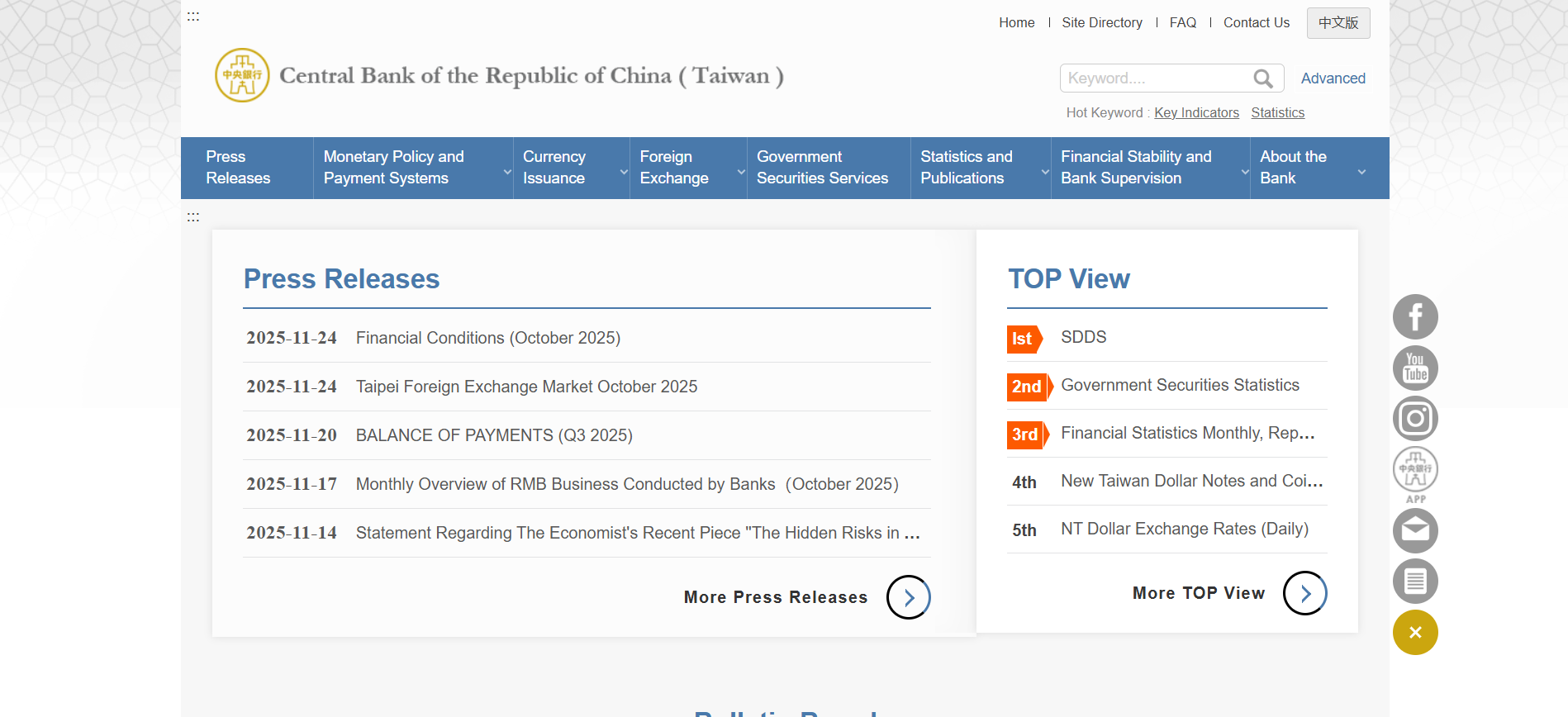
Hong Kong-licensed platforms, while operating under a separate regime, are also feeling the heat: no issuer has yet received a stablecoin license under the city’s 2024 framework, and analysts now expect further delays.
Contrast With China’s Own Digital Yuan
While banning private stablecoins, Beijing continues aggressive promotion of its central bank digital currency (e-CNY).
By September 2025, e-CNY transactions had surpassed ¥14.2 trillion ($2 trillion), with wallets in use across 31 provinces.
Expert Reactions
“This is the strongest anti-stablecoin statement from the PBOC since 2021,” said Angela Walch, crypto regulation researcher at St. Mary’s University. “They’re sending a message that no dollar-pegged token will be allowed to compete with the digital yuan.”
A senior executive at a major global stablecoin issuer, speaking anonymously, told CoinDesk: “We’ve already seen a sharp drop in mainland inflows over the last 48 hours. The risk-reward equation just changed dramatically.”

Conclusion
China’s latest salvo is not merely a restatement of old policy, it is a tactical escalation at a time when stablecoins handle over $170 billion in daily volume worldwide.
As long as capital controls remain a cornerstone of Beijing’s economic playbook, private dollar tokens will be treated as enemy number one.
For the global crypto industry, the message is clear:
The world’s second-largest economy is building a digital great wall, and stablecoins are on the wrong side of it.
Read Next:
- Stablecoins in Web3 Gaming: Why Every Major Title Pays in USDC Now
- Stablecoins on Layer-3s
- Stablecoin Tax Guide 2025: Reporting and Tools for Compliance
FAQs:
1. Are stablecoins now banned in China after the latest PBOC statement?
Yes. The PBOC explicitly classifies all stablecoins as illegal virtual currencies with zero legal status in mainland China.
2. Why is China targeting stablecoins specifically in 2025?
Regulators cite money laundering, telecom fraud, illegal fundraising, and large-scale cross-border capital outflows that bypass China’s strict $50,000 annual forex quota.
3. Does this affect Hong Kong’s separate stablecoin licensing regime in Hong Kong?
Indirectly. While Hong Kong operates its own rules, mainland pressure has already halted several tokenization projects and is expected to slow stablecoin license approvals.
4. Can Chinese citizens legally hold USDT or USDC offshore?
Technically possible via offshore accounts, but converting to/from CNY or using mainland banks triggers immediate red flags and potential account freezes.
5. How is the digital yuan (e-CNY) different from banned stablecoins?
e-CNY is issued and fully controlled by the PBOC, complies with all KYC/AML rules, and supports China’s capital controls, making it the only legal digital currency in the country.