
Table of Contents
Brale, a U.S.-regulated stablecoin issuance platform, integrated with the Algorand blockchain on January 8, 2026, per the Algorand Foundation announcement.
This enables enterprises to deploy fiat-backed stablecoins via compliant infrastructure, taking advantage of Algorand's scalability and security for payments, remittances, and treasury operations.
Key Takeaways
- Brale enables regulated stablecoin issuance on Algorand via APIs for minting, burning, and fiat ramps.
- Algorand's quantum-resistant design secures enterprise stablecoins with instant finality and low fees.
- Enterprises bypass custody builds, gaining 1:1 redeemability and daily reserve attestations.
- Multi-chain support connects Algorand stablecoins to global liquidity and banking networks.
- Issuers earn tactical revenue from reserves, accelerating payments and treasury operations.
Overview of Brale
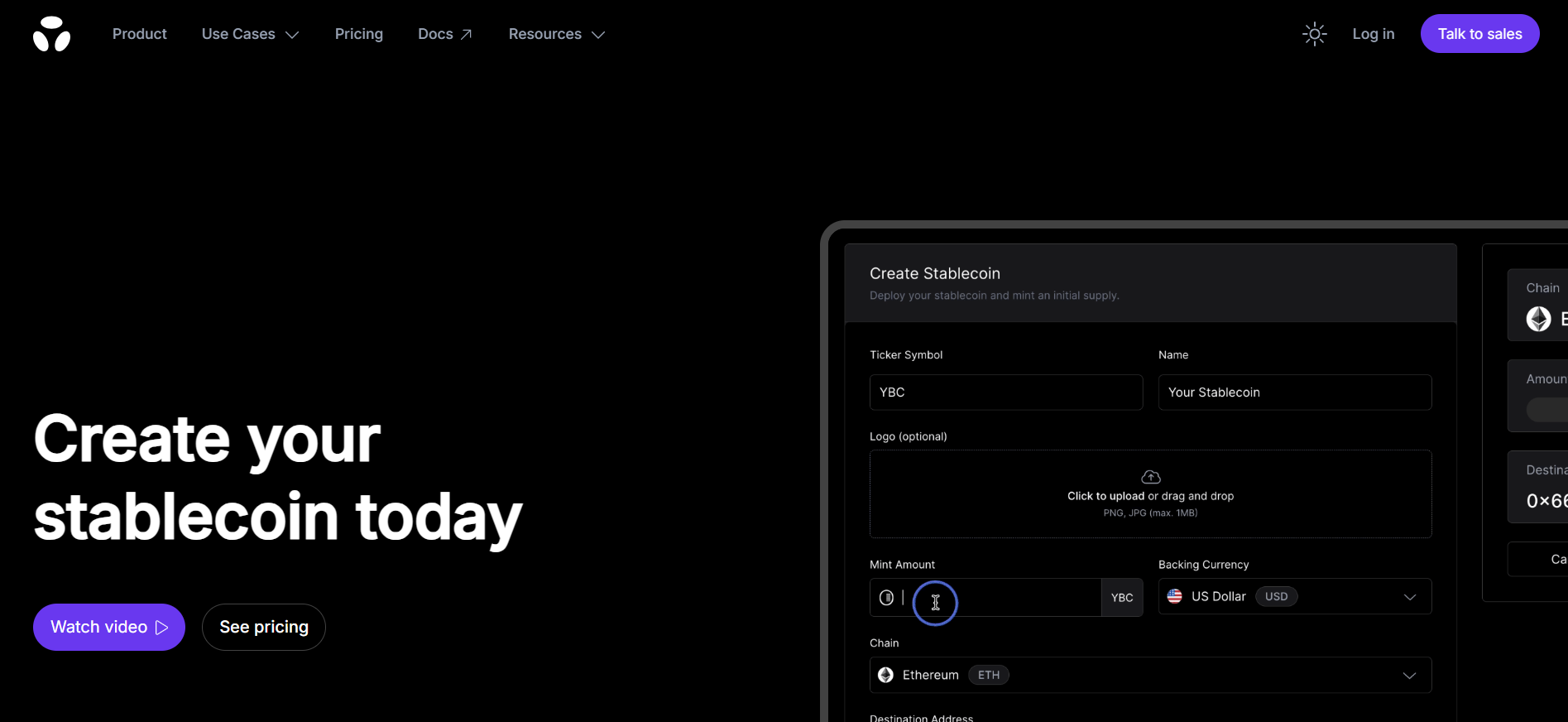
Brale provides stablecoin-as-a-service for issuing and managing custom tokens across multiple blockchains. It holds U.S. money transmitter licenses, managing reserves in segregated accounts with cash, equivalents, and short-duration Treasuries. Core functions include minting, burning, custody, fiat ramps, and API-based orchestration.
Reserves undergo daily monitoring and monthly attestations for 1:1 redeemability. Supported currencies: USD and MXN, with more planned. Revenue model allows issuers to earn from reserves, similar to card programs.
Deployments include:
- Glo Dollar (rapid compliant launch)
- USC (Ethereum Classic's regulated USD token)
- MXNe (peso-backed for transactions).
Platform supports EVM, non-EVM chains, and rollups for interoperability.
Overview of Algorand
Algorand is a Layer-1 blockchain with pure proof-of-stake, delivering 10,000 TPS, instant finality under 3 seconds, and fees below $0.001.
Quantum-resistant via Falcon signatures, it includes compliance tools like asset freezing and clawback.
Native stablecoins: USDC, xUSD, EURD.
Ecosystem focuses on institutional use in payments, tokenization, and DeFi across regions including Africa, Europe, Asia, and Latin America. Integrations enable banking connectivity and cross-chain bridges for liquidity.
Details of the Expansion
Brale's Algorand support allows instant stablecoin issuance through its dashboard and APIs, handling compliance, reserves, and banking links.
Enterprises can launch branded tokens natively on Algorand, with seamless movement across 20+ networks.
No custom smart contracts or custody required; Brale manages all.
Available immediately for developers to integrate mint/burn, transfers, and reporting.
Algorand's features enhance with Brale's regulated rails, supporting quantum-secure transactions and enterprise controls.
Benefits for Enterprises
Integration streamlines stablecoin deployment, reducing setup from months to weeks via APIs.
Key advantages: regulatory compliance without in-house expertise; revenue from reserve yields; low-cost, instant settlements on Algorand; multi-chain liquidity for broader reach.
Use cases include efficient remittances (faster, cheaper than traditional), treasury automation (programmable money), and payment systems (merchant integrations).
Developers gain tools for building compliant apps, with shared earnings on reserves.
Conclusion
Brale's Algorand expansion equips enterprises with compliant, scalable stablecoin tools for immediate deployment and revenue generation in blockchain finance.
Read Next:
- 2025 Stablecoin Year-End Report
- 2025 Stablecoin Spending Report
- Who Is Winning the Stablecoin Infrastructure Race?
FAQs:
1. What is Brale's role in stablecoin issuance on Algorand?
Brale provides U.S.-regulated infrastructure for creating fiat-backed tokens with API orchestration and compliance.
2. How does Algorand enhance stablecoin functionality?
Its Layer-1 offers quantum resistance, 10,000 TPS, and tools like freezing for regulated enterprise use.
3. What compliance standards does Brale meet?
U.S. money transmitter licenses, segregated reserves, and attestations ensure transparency and redeemability.
4. Can businesses integrate existing stablecoins?
Yes, via Brale's multi-chain APIs for seamless deployment across Algorand and 20+ networks.
5. How to implement Brale on Algorand?
Sign up for dashboard access, use APIs for issuance, and connect to banking for ramps and reporting.
Disclaimer:
This content is provided for informational and educational purposes only and does not constitute financial, investment, legal, or tax advice; no material herein should be interpreted as a recommendation, endorsement, or solicitation to buy or sell any financial instrument, and readers should conduct their own independent research or consult a qualified professional.