
Table of Contents
A recent post on X from stablecoin advocate Austin, known as @web3ausheat, has sparked widespread discussion in the crypto community: "Is Tempo the best blockchain for stablecoins in 2026? Why or why not?"
Posted amid growing excitement around stablecoin adoption, the query taps into the evolving landscape of blockchain technology optimized for digital dollars and payment rails.
With stablecoin transaction volumes already surpassing trillions annually, the timing could not be more relevant as projects position themselves for dominance in 2026.
What is Tempo Blockchain?
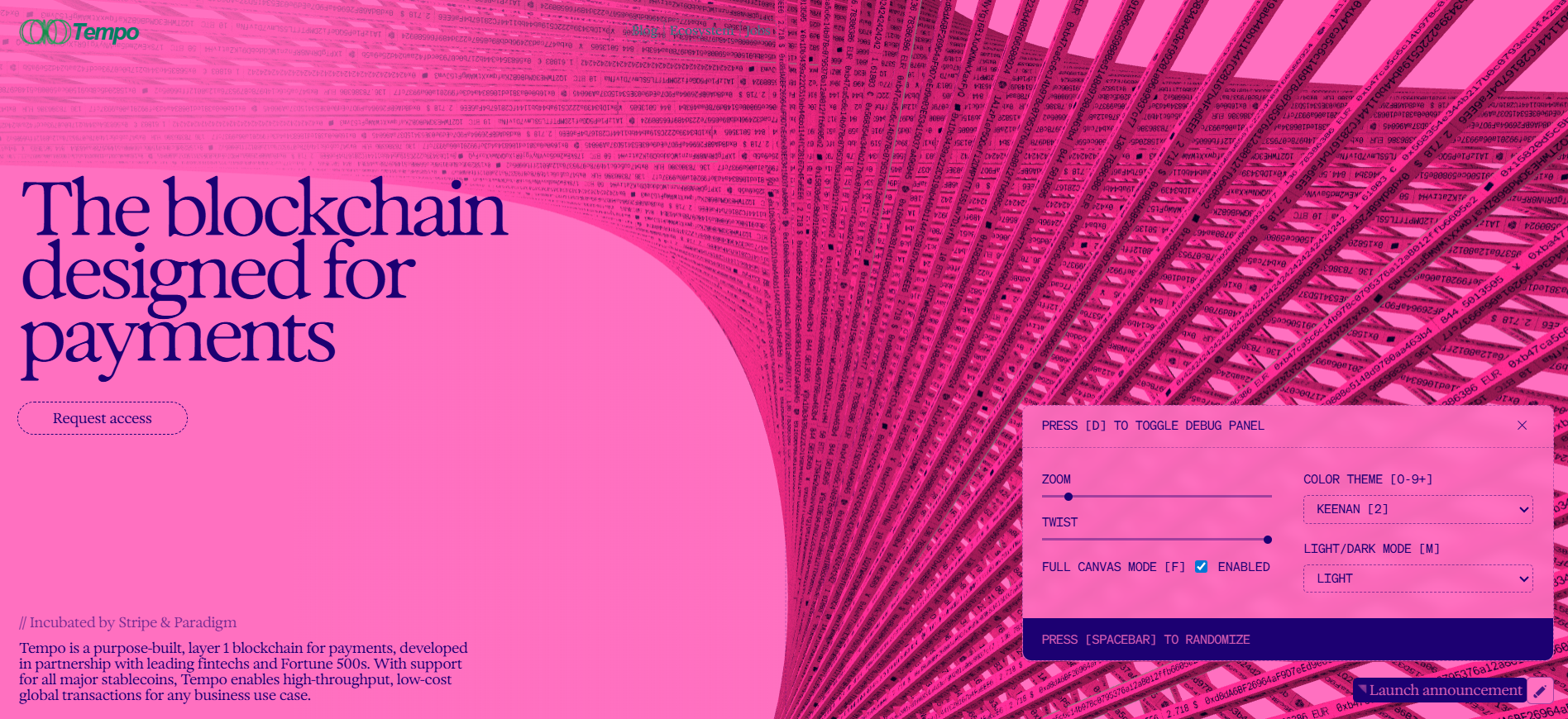
Tempo is a layer-1 blockchain designed specifically for payments and stablecoins, developed with backing from payments giant Stripe and crypto investment firm Paradigm.
Launched in 2025, it emphasizes predictable low fees, efficient transaction processing, and seamless stablecoin interoperability.
According to its official site, Tempo aims to serve as a neutral, permissionless network tailored for high-volume financial applications, addressing pain points like network congestion and volatility seen on general-purpose chains.
The project has seen rapid traction. In October 2025, Tempo raised $500 million in a Series A round led by Thrive Capital and Greenoaks, valuing it at $5 billion. Participants included Sequoia, Ribbit, and SV Angel.
This funding underscores investor confidence in its potential to capture a slice of the burgeoning stablecoin market, projected to grow exponentially by 2026.
Key Features Making Tempo a Contender for Stablecoins
- Optimized for Payments: Unlike Ethereum or Solana, which prioritize general smart contracts, Tempo focuses on speed and cost-efficiency for transfers.
It promises sub-second finality and fees that remain stable even under load.
- Stablecoin Interoperability: Native support for major stablecoins like USDC and USDT, with bridges and standards to facilitate cross-chain use.
- Stripe Integration: As Stripe's brainchild, Tempo leverages the company's global payment infrastructure, potentially onboarding millions of merchants and users.
Recent news bolsters its case. Swedish fintech Klarna announced plans to launch KlarnaUSD, a fully USD-backed stablecoin, on Tempo's mainnet in 2026. Currently live on testnet, KlarnaUSD targets cross-border payments for its 114 million customers, aiming to slash costs and settlement times.
Klarna cited Tempo's reliability for internal international transfers as a key factor.
Why Tempo Could Dominate Stablecoins in 2026
Proponents argue Tempo's specialization positions it as the go-to chain. Stablecoins thrive on utility, not speculation, and Tempo's design aligns perfectly. With Stripe's ecosystem, it could integrate stablecoin payments into e-commerce seamlessly.
Klarna's move signals enterprise adoption, potentially attracting more issuers like PayPal or Revolut.
Posts on X reflect optimism. Users highlight Tempo's funding and partnerships as signs of inevitable leadership, especially as regulatory clarity emerges in 2026.
Global stablecoin volumes hit $27 trillion yearly, per Klarna, creating demand for scalable infrastructure. Tempo's focus on SMEs and payments could edge out competitors lacking payment-first DNA.
The Case Against: Competition and Risks
Despite hype, skeptics question if Tempo is truly the best. Established chains like Solana (fast and cheap for USDT), Tron (dominant in emerging markets), and Base (Coinbase's L2 with low costs) already host billions in stablecoin TVL.
Ethereum L2s such as Arbitrum and Optimism offer security and liquidity.
Tempo remains young and unproven at scale. Critics point to centralization risks from Stripe's influence and potential regulatory scrutiny on stablecoin issuers. A Fortune report notes challenges in navigating global rules, which could hinder 2026 growth.
- Scalability Unknown: Billions in daily volume could test Tempo's promises.
- Network Effects: Liquidity favors incumbents; switching costs are high.
- Innovation Pace: Rivals like Sui or Aptos iterate quickly on stablecoin features.
Sentiment on X is mixed. While some hail Tempo as revolutionary, others favor battle-tested options. Austin's post, with modest engagement, underscores the debate's early stage.
Market Projections and 2026 Outlook
Analysts predict stablecoins will underpin remittances, DeFi, and tokenized assets by 2026. Reports from Yahoo Finance and ICOBench position Tempo as a disruptor, but leadership hinges on adoption metrics.
If KlarnaUSD succeeds, it could bootstrap TVL. Partnerships with Circle or Tether would be game-changers.
Ultimately, 'best' depends on metrics: TVL, transaction volume, fee stability. Tempo excels in theory, but execution matters. As 2026 nears, watch mainnet performance and issuer commitments.
The X post captures a pivotal question. Tempo has momentum, but the blockchain space rewards proven winners. Stakeholders await data to settle the score.
Sty tuned for more stablecoin news.