
Table of Contents
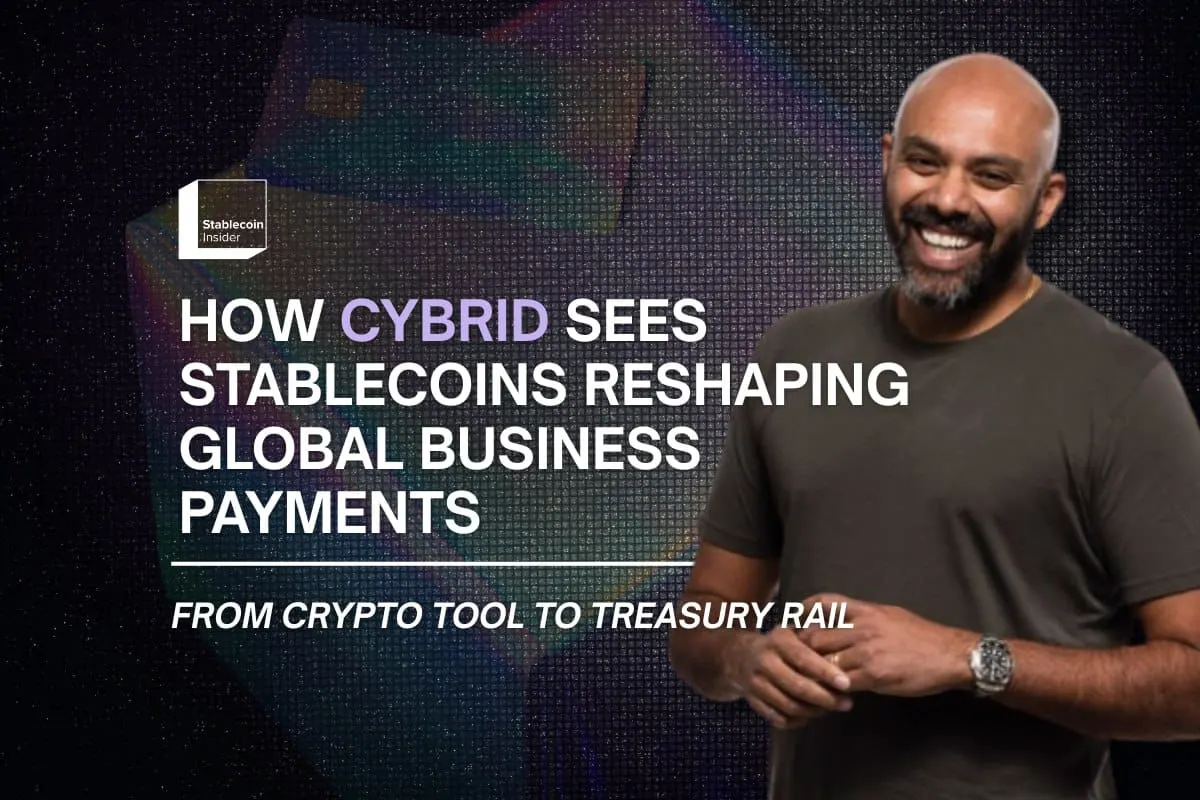
Stablecoins have already shed their identity as a crypto product and have replaced it with something far more practical: a payment rail that businesses are starting to treat as infrastructure.
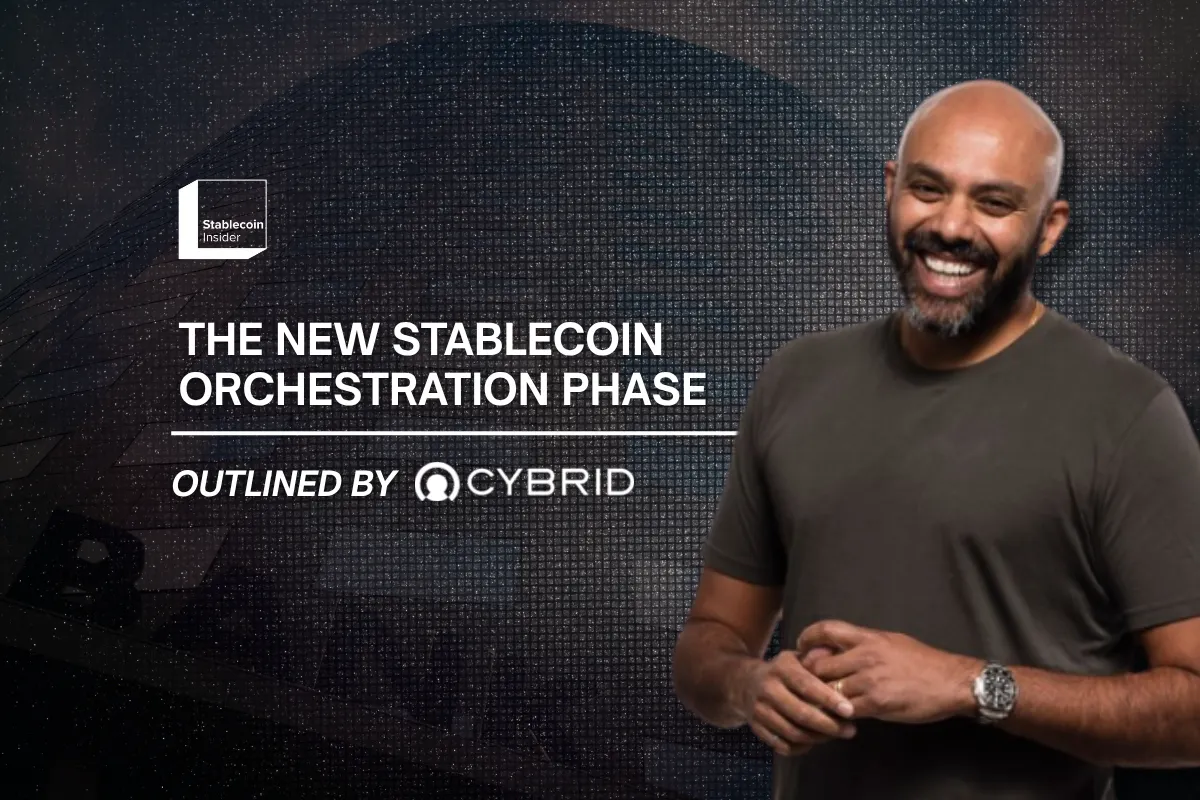
That was the underlying tone in a recent conversation between Chiara Munaretto of Stablecoin Insider and Avinash Chidambaram, founder and CEO of Cybrid.
The discussion didn’t revolve around speculation or market cycles. It focused on something more grounded, such as how companies are actually using stablecoins to move money more efficiently.
And the takeaway was clear. Integration is what everyone is now looking for.
Why Businesses Are Finally Paying Attention
The appeal of stablecoins becomes obvious when placed against the limitations of traditional infrastructure.
Cross-border wires are still slow. Fees are often unclear. Treasury operations remain manual in many organizations. Reconciliation can be fragmented across systems.
For companies operating internationally, these inefficiencies aren’t minor, they compound dramatically.
Stablecoins offer a different model. Not necessarily a replacement for existing systems, but a more efficient underlying rail, especially when delivered through software.
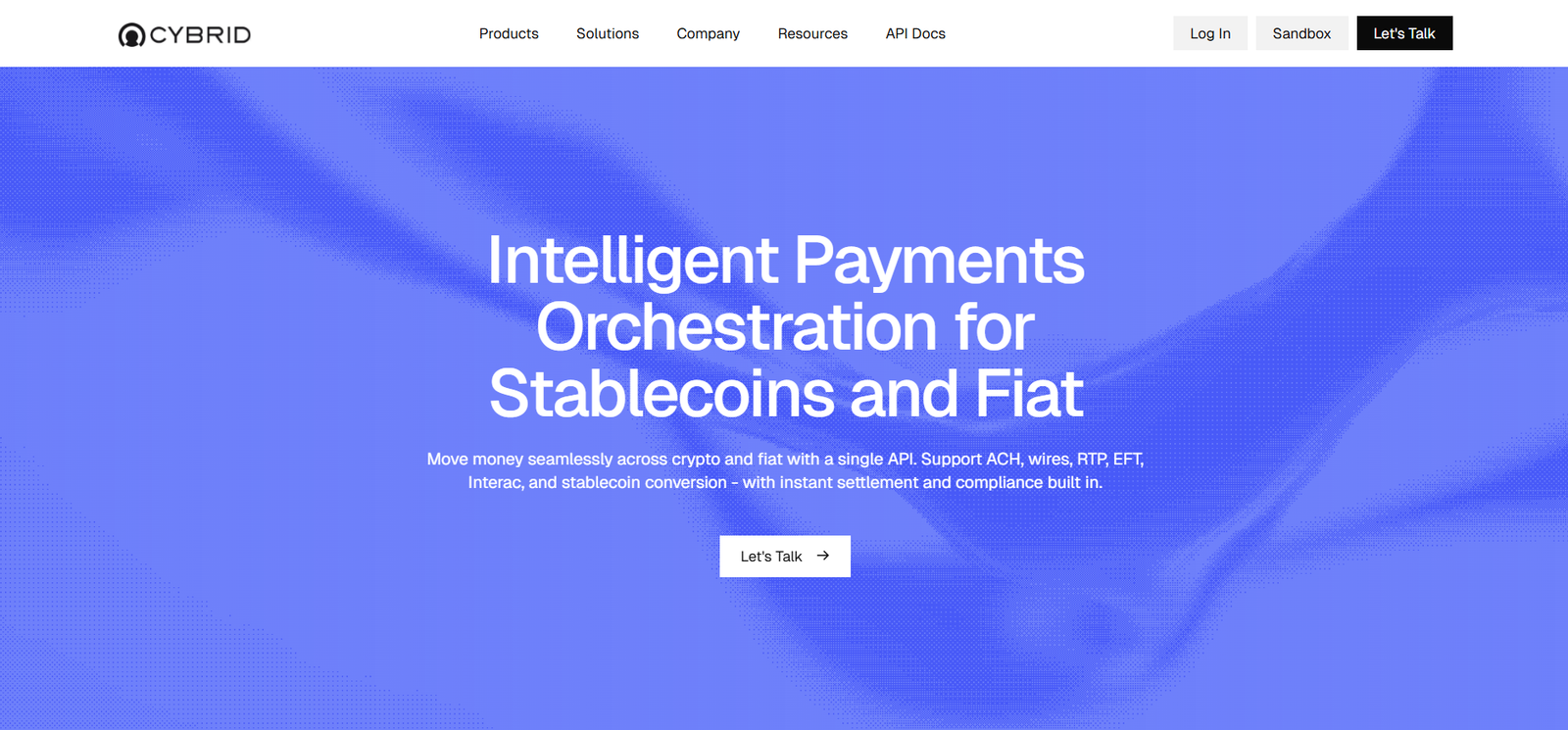
Platforms like Cybrid are built around that idea. Instead of requiring businesses to assemble a stack of banking partners, custody providers, compliance tools, and fiat ramps, they provide access through a unified API layer.
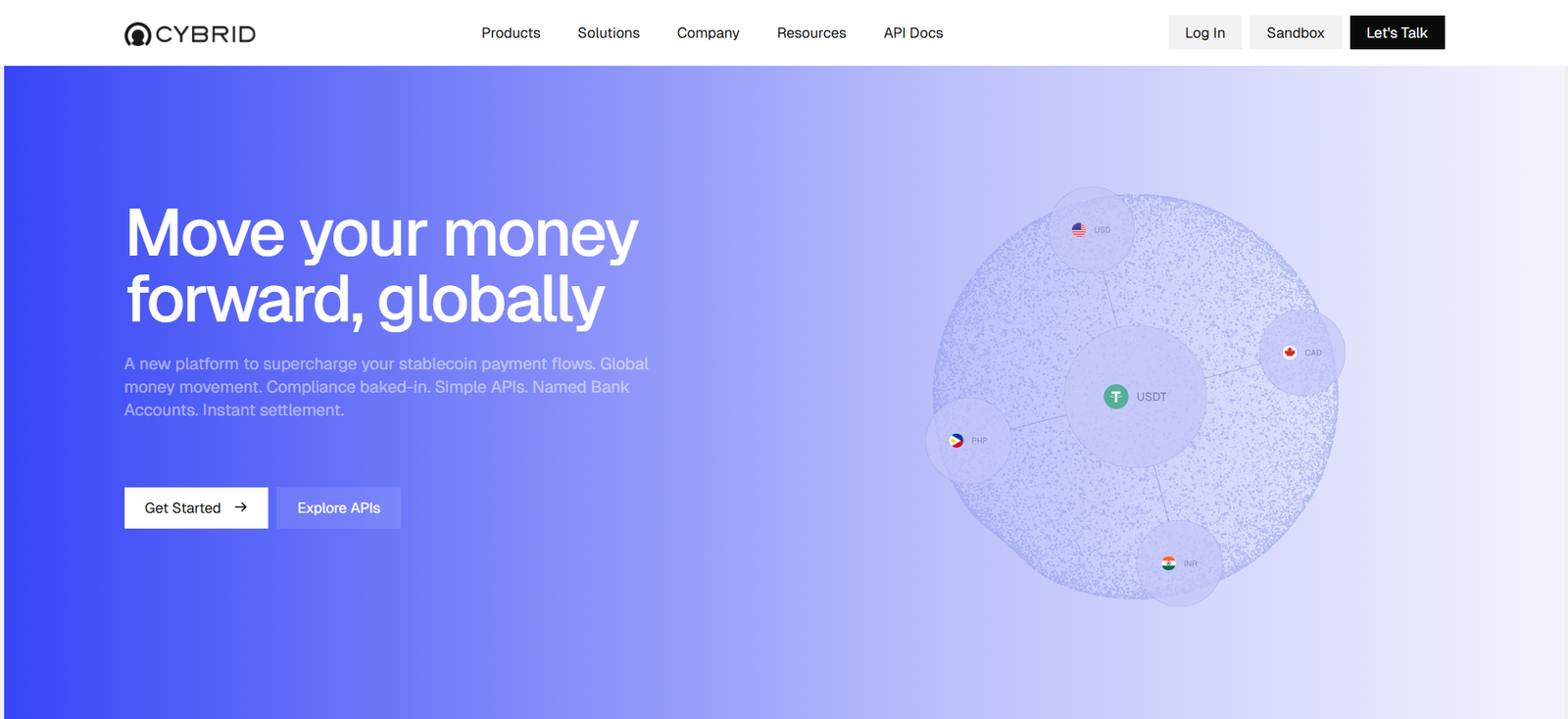
The goal isn’t to make companies crypto-native. It’s to reduce the operational burden of using a better rail.
Where It’s Already Working
Some use cases are emerging more clearly than others.
Cross-border B2B payments are one of the most obvious. Stablecoins allow companies to hold digital dollars, move them globally, and convert into local currency only when necessary. That reduces both delays and transaction costs.
Marketplace payouts are another. Platforms with users in multiple countries often struggle with inconsistent banking systems and payment delays. Stablecoins introduce a more uniform way to distribute funds.
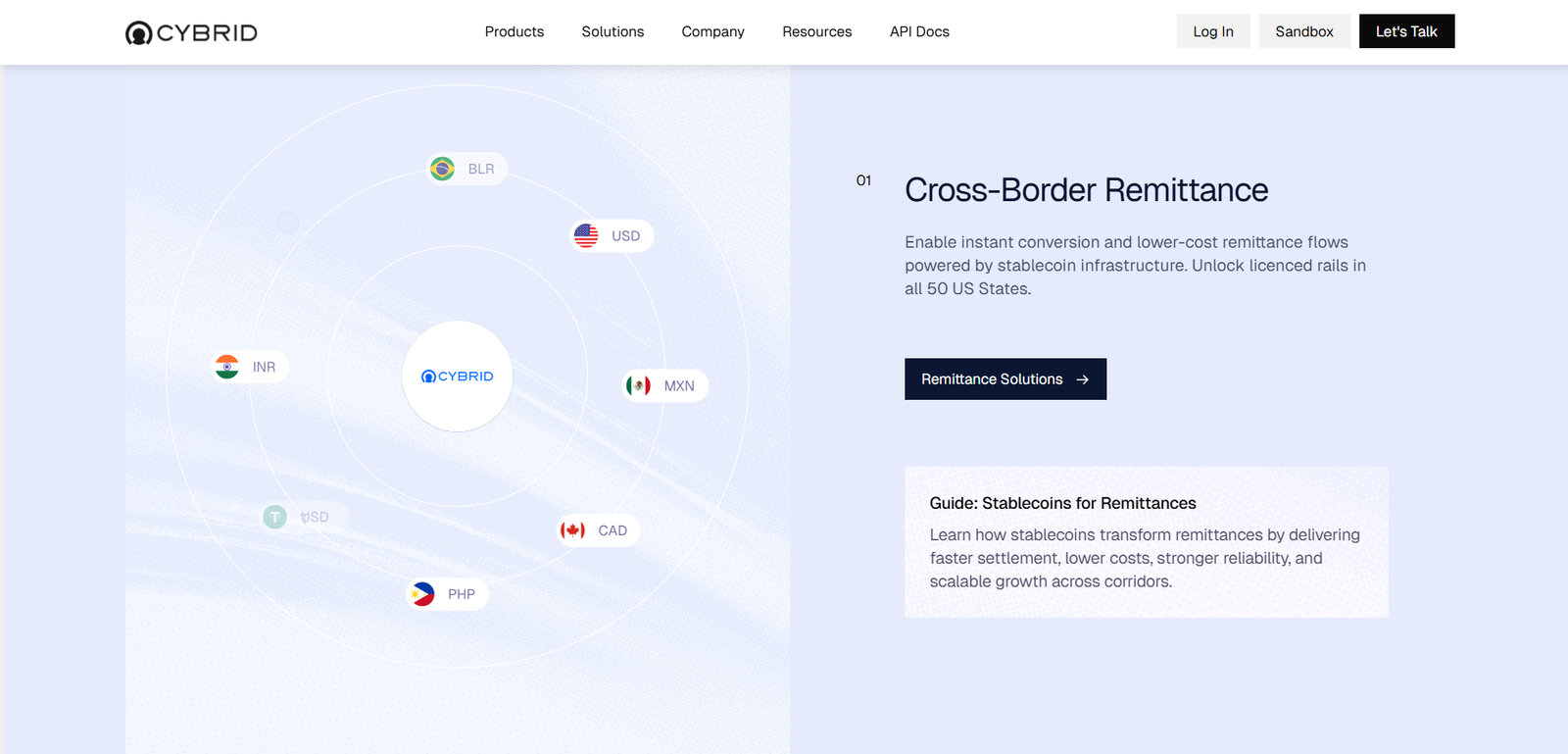
Remittances round out the picture. In markets where local currency volatility or banking friction is high, the ability to hold value in digital dollars rather than immediately converting can be a meaningful advantage.
The Bigger Shift: Programmable Treasury
The more interesting development, though, is not just faster payments, it’s what happens when payments become part of automated workflows.
This is where the idea of programmable treasury comes in.
Modern ERP systems and AI-driven tools are increasingly capable of identifying needs, generating purchase orders, routing approvals, and initiating payments automatically.
When payments are embedded directly into these systems, the role of finance teams starts to change. Less time is spent executing transactions. More time is spent on planning, controls, and capital allocation.
It also has downstream effects.
In supply chains, for example, the ability to verify a payment on-chain can accelerate production timelines. Payment becomes not just a transfer of funds, but a signal that triggers action.
Banks Aren’t Going Away
One of the more pragmatic points in the discussion is that stablecoins aren’t replacing banks.
At least, not entirely.
In many cases, they’re being adopted by banks, particularly regional ones as a way to improve international payment services without relying as heavily on correspondent banking networks.
This is especially visible in regions where traditional infrastructure is less efficient. Latin America, India, the Philippines, Mexico, and Brazil were all highlighted as areas where the practical benefits are easier to see.
In these markets, the inefficiencies are not abstract. They are daily constraints.
A Multi-Rail Future
If anything, the future looks less like disruption and more like layering.
Stablecoins are becoming one rail among several alongside cards, bank transfers, and domestic payment systems.
The real innovation may lie in orchestration. Instead of choosing a payment method manually, businesses will rely on infrastructure that automatically selects the fastest, cheapest, or most appropriate rail for each transaction.
As that layer improves, the complexity fades. Adoption follows.
What Still Holds Stablecoins Back
Two challenges remain.
Liquidity is one. Large transactions still require careful routing to avoid slippage, often across multiple providers. The market is improving, but it’s not fully seamless yet.
Regulation is the other. While there is growing clarity particularly around fully backed stablecoins, regulators are still working through broader implications, including how these systems might affect traditional banking and credit markets.
Progress is happening, but unevenly.
The Question of Issuing Stablecoins
Should companies create their own stablecoins?
In some cases, yes, particularly in closed ecosystems where internal flows justify it.
But for most businesses, the more practical approach is to use existing, widely adopted assets. They come with deeper liquidity, better interoperability, and established market support.
Creating a new stablecoin adds complexity. Without a clear operational reason, it’s often unnecessary.
The Real Story
What stands out most is the shift in mindset.
Businesses are no longer asking whether stablecoins are interesting. They’re asking whether they are better.
Better at settling payments.
Better at providing visibility.
Better at simplifying treasury operations.
Better at moving money across borders.
Better at enabling automation.
For Cybrid, that framing defines the opportunity. Not to push crypto adoption, but to make a more efficient financial rail accessible through systems companies already use.
And for the broader industry, that may be the clearest signal yet that stablecoins are maturing.
When the technology no longer needs to be explained and simply gets adopted because it works, the narrative has already changed.
This piece was a sponsored post by Cybrid, written by the Stablecoin Insider team.
Related Reports
Partner/Advertise with Stablecoin Insider
Fill out this form to partner and advertise on the only publication, dedicated entirely to the Stablecoin ecosystem.
See you next week,
- The Stablecoin Insider team