Table of Contents
Stablecoin‑based payment rails are far from interchangeable: the same USDT or USDC behaves very differently when routed over TRC‑20, ERC‑20, or Solana, directly shaping how users experience speed, cost, and friction on each side of a transfer.
Why the Network Matters: More Than Just a Token Standard
Networks are not neutral pipes: routing a stablecoin through TRON, Ethereum, or Solana shifts the balance of speed, cost, and operational complexity for both sender and receiver, not just benchmark metrics.
What Changes Across Rails?
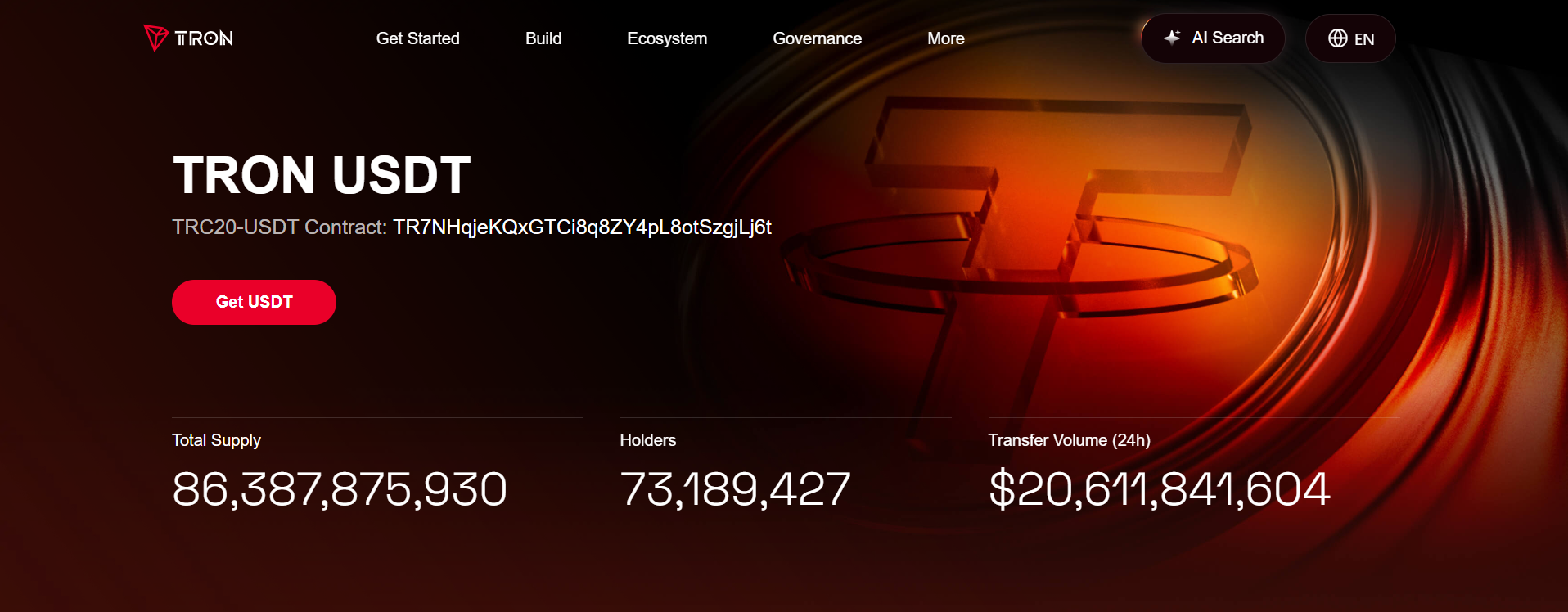
Stablecoin usage is unevenly distributed across networks, and the differences are visible in how transactions are structured.
- TRC‑20 concentrates in high‑volume, low‑value transfers, where its low‑fee structure makes it the default for remittances, P2P transfers, and exchange withdrawals rather than large‑scale value‑at‑risk moves.
- ERC-20 clusters around fewer but higher‑value transfers, anchoring large‑scale movements, exchange‑to‑custody flows, and DeFi‑intensive operations where liquidity and infrastructure often justify higher, variable fees.
- Solana occupies a throughput‑first niche, where sub‑cent fees and high transaction capacity align it with trading systems, gaming environments, and automated payout engines.
For many users, what matters is which blockchain version they actually send, not the token standard. On non‑custodial platforms, a swap USDT to BTC works fast only if the user deposits the exact network version the interface expects and never mixes other versions into the same address, as that often leads to failed transactions or frozen funds.
Where Users Enter the Ecosystem
Most users enter stablecoins via bitcoin or fiat on‑ramps without actively choosing a network, yet the chain baked into the platform interface directly shapes fees, speed, and the risk of irreversible errors from address mismatches.
On‑Ramps and Chain Selection
A typical practical flow looks like this:
- Buy bitcoin or another cryptocurrency on a multi‑chain platform.
- Convert or swap it into a stablecoin such as USDT or USDC.
- Choose the network that offers the most cost-effective and timely settlement for a given flow (typically TRON, Ethereum, or Solana).
Platforms enabling users to buy bitcoin in 2026 often route stablecoin transactions through multiple channels, including TRC‑20, ERC‑20, and Solana. The chain that ultimately settles the transfer depends on regional regulations, KYC requirements, and liquidity conditions.
As a result, identical exchange actions can complete on different networks, even when the interface presents a single unified process.
How Chain Choice Emerges in Practice
For most users, the blockchain used for stablecoins is not a personal choice but a result of how platforms are configured and where they operate.
1. Platform Defaults
Many services default stablecoin transfers to TRON for its low‑fee structure, aligning with remittances and small‑ticket P2P flows, while routing larger, compliance‑sensitive settlements to Ethereum despite higher fees.
2. Regulation and Region
Stricter AML/KYC regimes tend to push payouts and corporate payments toward Ethereum‑linked rails, while more permissive environments often favor TRON or Solana to keep costs low and confirmations fast.
3. Flow Characteristics
High‑volume, low‑value corridors such as remittances and retail‑style P2P swaps now run predominantly over TRON‑based stablecoins, while Ethereum handles larger B2B and institutional payments, and Solana underpins trading‑driven, gaming‑oriented, and programmatic‑payout flows where latency and throughput are critical.
4. In Practice
When a user buys bitcoin or a stablecoin on a multi‑chain platform, the underlying network is usually set by the provider’s fee structure, risk policy, and local rules. Everyday, high‑frequency transfers go over cheap chains; larger, compliance‑sensitive transactions move over more established, higher‑cost networks.
TRC‑20, ERC‑20, and Solana: A Practical Comparison
TRON, Ethereum, and Solana handle the same stablecoins but differ in cost, speed, and network design.
- TRON confirms transactions in seconds at minimal fees.
- Ethereum offers slower settlement with higher fees suited for institutional flows.
- Solana provides sub-second, low-cost transfers for high-frequency use, though with a smaller validator set.
The central user risk is sending tokens to the wrong chain, which almost always leads to permanent loss; Ethereum adds complexity through gas fees, while TRON and Solana simplify UX at the cost of higher centralization risk at scale.
Key Parameters at a Glance
Practical Implications
Stablecoin networks are suited to distinct types of flows, and understanding their strengths helps match each chain to specific payment needs.
- High-volume, cost-sensitive transfers: typical in remittances and P2P transactions, where low fees and efficient throughput are crucial. TRON rails dominate these corridors, processing hundreds of millions daily at minimal cost.
- Regulated, institution-focused payments: rely on Ethereum, where ERC‑20 transactions benefit from established compliance frameworks, deep liquidity, and integration with DeFi protocols. These features make it a preferred choice for B2B and cross-border settlements.
- High-speed, high-frequency flows: such as trading, gaming, and programmatic payouts, where rapid execution is critical. Solana supports near-instant settlement and high throughput, though its more centralised validator set introduces operational sensitivity.
The decision is not about the chain’s label but about how its characteristics align with the economic and operational profile of the use case. Cost efficiency, compliance requirements, and speed define the most appropriate network for each flow.
Security, Decentralisation, and Operational Risk
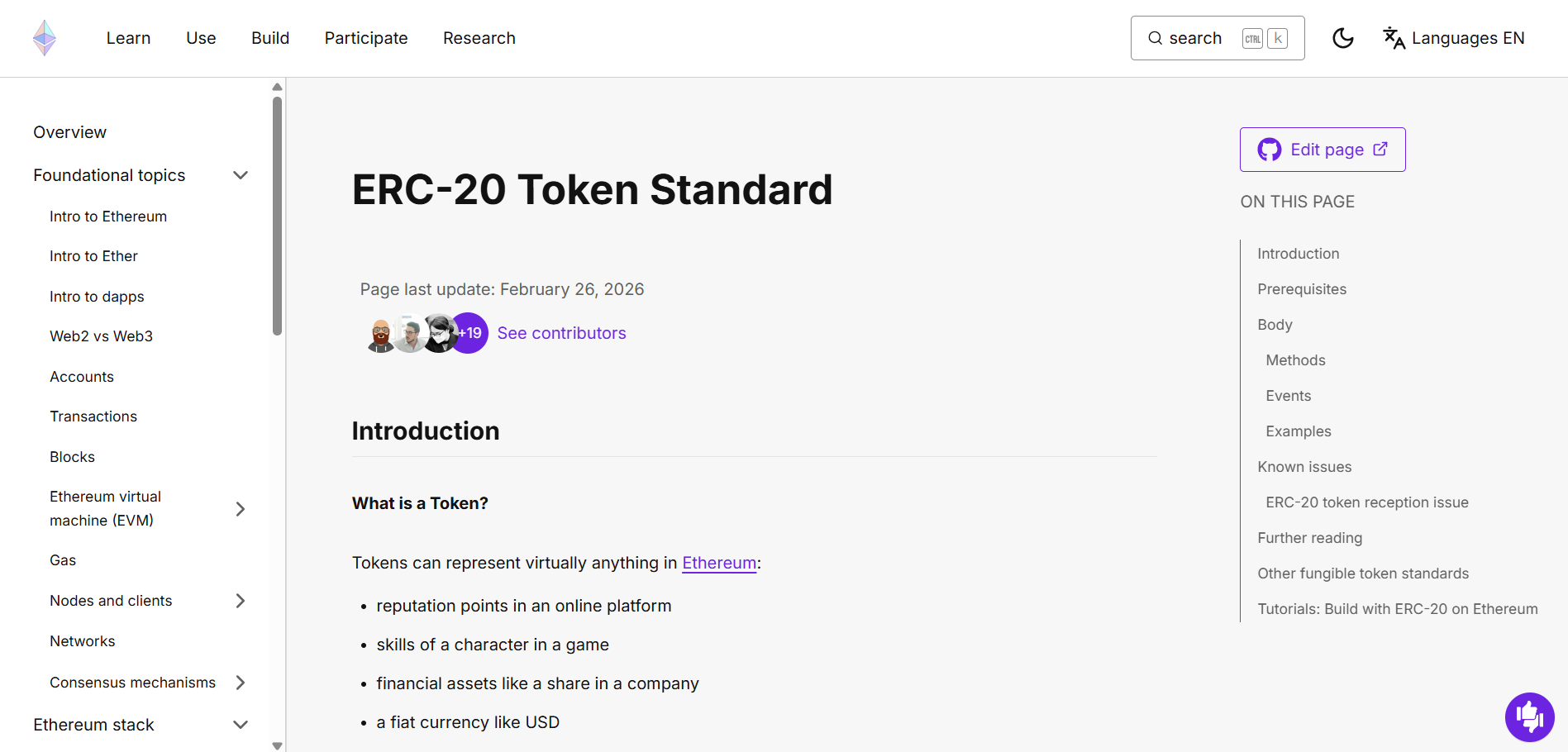
- Ethereum’s proof-of-stake network is widely distributed, which supports decentralisation, regulatory alignment, and resistance to censorship.
This structure ensures security for institutional and DeFi flows, though peak traffic can increase fees and slow finality.
- Solana prioritises speed and throughput with a smaller validator set, enabling sub‑second settlement at the cost of higher sensitivity to network stress and concentrated control.
- TRON likewise relies on a limited set of elected validators, keeping fees low and confirmations fast but introducing concentrated decision‑making that some institutions treat as elevated operational risk.
Key User-Level Considerations Across All Chains:
- Sending tokens to the wrong network (e.g., TRC‑20 to an ERC‑20 address) usually leads to permanent loss.
- Ethereum’s gas fees and congestion can complicate transfers.
- TRON and Solana simplify the user interface but carry centralisation considerations at scale.
Market, Regulation, and Where the Rails are Heading
TRON, Ethereum, and Solana operate in distinct regulatory and economic contexts, which shape how stablecoins move across markets.
Ethereum continues to anchor regulated, institution-focused corridors. ERC‑20 rails handle most B2B cross-border settlements where compliance, issuer KYC, and DeFi liquidity are essential, maintaining large-scale operations even during network congestion.
In high-volume, cost-sensitive corridors (remittances, P2P transfers, and emerging-market on‑off ramps), TRC‑20 USDT moves hundreds of millions daily at minimal fees, making it the preferred option for merchants and remittance operators.
Networks prioritising speed, such as Solana, are used for trading, gaming, and programmatic payouts, with settlement often under 0.5 seconds. High throughput supports tens of billions in quarterly volume, though a smaller validator set and past outages keep some regulators and enterprises cautious.
For businesses, the practical pattern is straightforward:
- Use Ethereum‑based flows for regulated, institution‑heavy corridors.
- Route low‑cost, high‑volume flows over TRON‑based rails.
- Deploy Solana‑based rails as a low‑latency, high‑throughput layer, usually alongside the other two.
No single network covers all use cases; the most effective approach routes stablecoin‑based flows across TRON, Ethereum, and Solana according to the corridor‑specific balance of cost, compliance, and speed.
Practical Guidance for Choosing TRON, Ethereum, or Solana
Choosing between TRON, Ethereum, and Solana often comes down to aligning the underlying network with the concrete profile of the flow: cost, speed, compliance, and user‑risk tolerance.
For Users and Platforms
Key Risk and Design Pattern
Across all three chains, the most common user‑level issue remains address confusion: sending TRON‑, Ethereum‑, or Solana‑based tokens to the wrong network type usually leads to irreversible loss.
Clear labeling and built‑in guidance at the wallet or exchange level help mitigate this more effectively than trying to enforce a single‑chain model.
For platforms, the most sustainable approach is to design flows as multi‑chain from the start, not as an afterthought, and steer each corridor to the network that best balances cost, compliance, and speed for that specific use case.
Conclusion: Where TRON, Ethereum, and Solana Fit in 2026
By 2026, TRON, Ethereum, and Solana have stabilised into distinct roles:
- TRON anchors low‑cost, high‑volume corridors.
- Ethereum remains the default for regulated, B2B‑heavy environments.
- Solana complements both by handling high‑frequency, low‑latency scenarios where sub‑second settlement is core.
For users and businesses, treating TRON, Ethereum, and Solana as complementary infrastructure choices and routing flows across them according to the balance of cost, compliance, and speed in each corridor is the most practical approach.
FAQs:
1. What is the main difference between TRON‑, Ethereum‑, and Solana‑based stablecoins?
The same stablecoin behaves differently on each network: TRON optimises for low‑cost, high‑volume flows; Ethereum for decentralisation and regulatory‑ready infrastructure; and Solana for speed and high‑frequency execution.
2. Which network is cheaper for stablecoin transfers in 2026?
TRON and Solana generally keep per‑transfer costs at a fraction of a cent, while Ethereum remains materially more expensive, especially during congestion.
3. Is TRON less secure than Ethereum due to centralisation?
TRON relies on a smaller, more centralised validator set, which some institutions see as higher operational risk. Ethereum is widely distributed, enhancing resilience, though fees and confirmation times can rise under load.
4. Can I lose funds if I send TRON tokens to an Ethereum address?
Yes. Tokens sent to the wrong network are usually unrecoverable. Each chain requires a matching address format, even for the same stablecoin.
5. Why do businesses still prefer Ethereum-based stablecoins in many corridors?
Ethereum’s network is trusted in regulated and B2B-heavy environments. Established compliance frameworks, issuer familiarity, and integration with DeFi make it the go-to choice despite higher costs.
6. When should I use Solana instead of TRON or Ethereum?
Solana is ideal for high-frequency, latency-sensitive flows such as gaming, trading, and programmatic payouts, where speed outweighs decentralisation.
7. Are there hybrid solutions that route between TRON, Ethereum, and Solana?
Yes. Many platforms use bridges or multi-chain infrastructure to move stablecoins across networks, optimising for cost, speed, and compliance without locking users to a single chain.
8. How do I choose the right network for stablecoin payments?
Select the network based on your main priority. For high-volume, cost-sensitive transfers, TRON is typically the most efficient. If compliance and institutional-grade reliability are critical, Ethereum is the preferred choice. For fast, high-frequency flows, Solana offers the best performance. In many cases, distributing payments across multiple networks provides the optimal balance of cost, speed, and regulatory alignment.
Disclaimer:
This article is for informational purposes only and does not constitute financial, investment, legal, or tax advice. Cryptocurrency markets and infrastructure are highly volatile and can change rapidly. You should conduct your own research and consult a qualified professional before making any decisions involving digital assets or blockchain‑based payments, and keep in mind that transactions on public blockchains are irreversible and may result in permanent loss if sent to the wrong address or network.