
Table of Contents
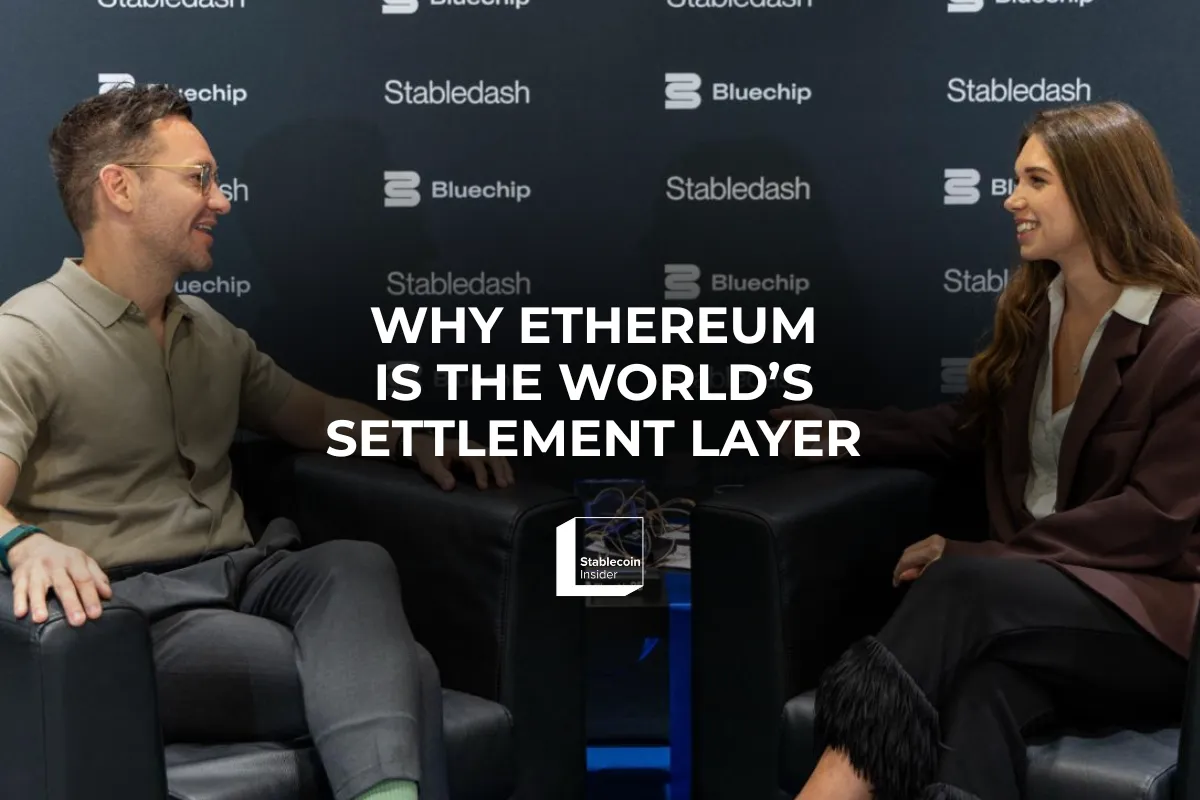
In this compelling episode of the Bluechip interview series, Chiara Munaretto sits down with Garett Jones, Co-founder and Chief Economist at Bluechip, to discuss the science and the necessity of stablecoin ratings.
While other guests focus on the mechanics of building or the networks for settlement, Garett addresses the most fundamental question for any user: "Is my money safe?"
As a professor of economics and a former advisor to the US Senate, Garett brings a rigorous, "Moody’s-style" perspective to the chaotic world of digital assets.
The Moody’s of Crypto: Why We Need Independent Ratings
For years, the stablecoin market operated on a "trust me" basis. Issuers promised their tokens were backed by dollars, but true transparency was rare.
Garett Jones explains that after the collapse of Terra/Luna in 2022, it became clear that retail and institutional users alike lacked the tools to evaluate risk.
Bluechip was founded as a non-profit to fill this gap, providing unbiased, economic safety ratings that range from A+ down to F.
The SMIDGE Framework: How Bluechip Grades "Safety"
Garett breaks down the proprietary SMIDGE methodology that his team uses to evaluate every major stablecoin.
This isn't just a "gut feeling"; it’s a data-driven autopsy of an asset's health.
| Letter | Component | What it Measures |
| S | Stability | Historical peg performance and the quality of the reserve assets. |
| M | Management | The track record and competence of the team running the project. |
| I | Implementation | The technical safety of smart contracts and oracles. |
| D | Decentralization | Is the control concentrated in a few hands, or is it resilient? |
| G | Governance | The legal and operational safeguards against abuse. |
| E | Externals | Market sentiment and external validation (like audits). |
The "Tether Debate": Transparency Over Market Cap
Garett doesn't shy away from the industry's biggest controversy. He explains why Tether (USDT), despite being the largest stablecoin by market cap, often receives lower grades from Bluechip (historically a D rating).
- The Audit Gap: Garett is blunt, without a full, Big Four audit, a stablecoin cannot be considered "safe" by traditional economic standards.
- Opacity vs. Trust: "In economics, transparency is the currency of trust," Garett notes. If an issuer is opaque about where the money is held, Bluechip must err on the side of caution and distrust.
Why MiCA Changes the Grading Curve
With the arrival of MiCA in Europe, the grading landscape is shifting.
- The Regulatory Floor: Garett views MiCA as a massive step forward because it mandates many of the safety features Bluechip has been advocating for, such as segregated reserves and mandatory reporting.
- A-Rated Pioneers: He highlights that regulated coins (like those from the 9-bank consortium or AllUnity) are the most likely to achieve A-tier ratings because they operate under the watchful eye of central banks and independent auditors.
The Economic Goal: From Speculation to Utility
Garett concludes by looking at the "big picture" of monetary history. He views stablecoins not as a new asset class, but as an upgrade to the dollar and the euro.
"Our goal isn't to tell people what to buy. Our goal is to ensure that when a small business or a corporate treasurer chooses a stablecoin, they aren't gambling, they're just banking."
Key Takeaways from Garett Jones
- Audits are Non-Negotiable: A stablecoin without an audit is a "black box" that carries systemic risk.
- Governance > Hype: The most important factors for safety are often the most "boring" ones, like legal jurisdiction and reserve segregation.
- Ratings Drive Competition: By grading coins, Bluechip forces issuers to improve their transparency to attract institutional capital.
Related Interviews: